How to Import Spices from India: A Complete Guide for International Buyers
Introduction to the Indian Spice Trade
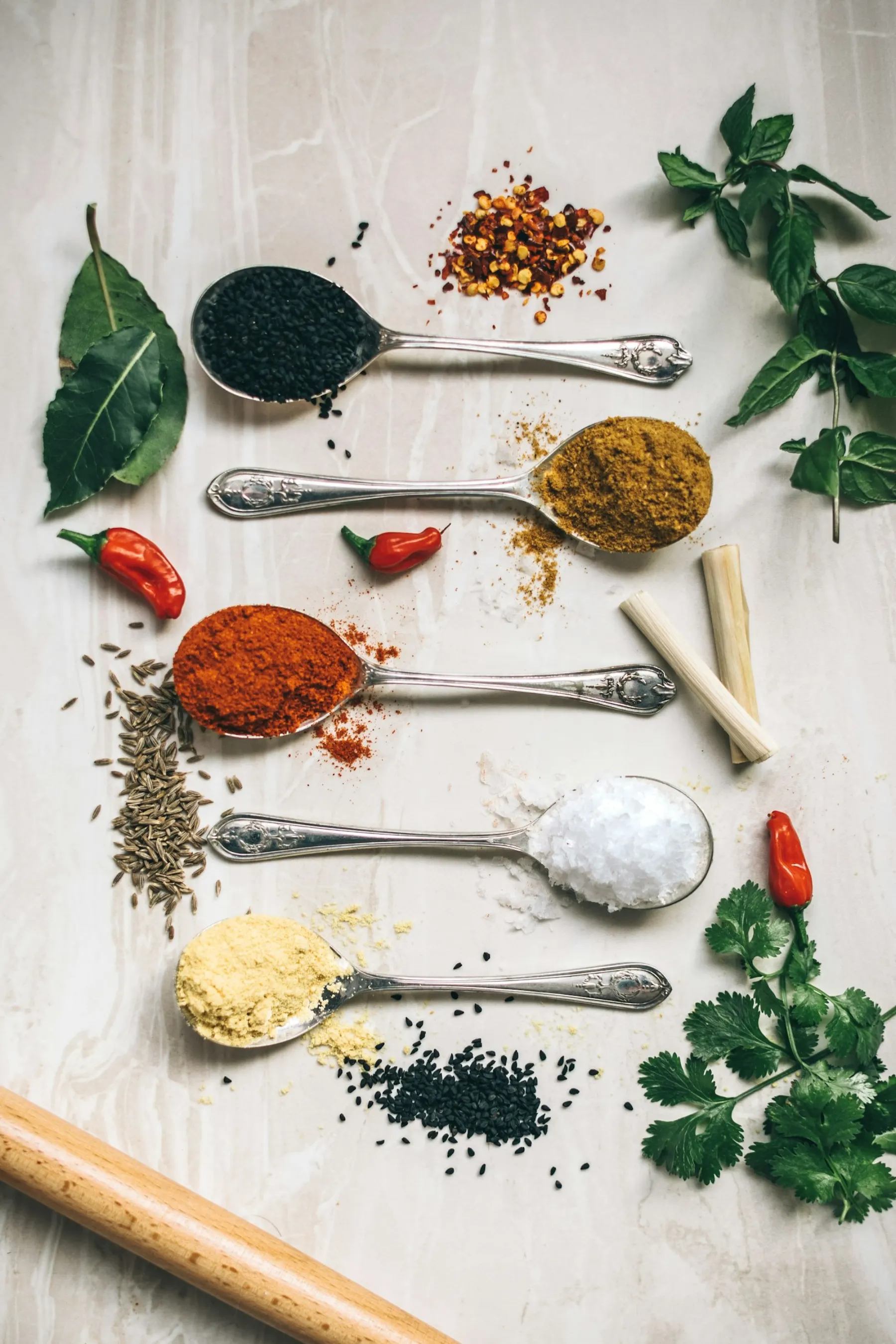
India is the spice bowl of the world, producing and exporting over 75 of the 109 spice varieties recognized by the International Organization for Standardization (ISO). For international procurement managers, food manufacturers, and spice distributors in the USA, UK, UAE, and Europe, sourcing directly from India offers unmatched flavor profiles, variety, and cost efficiencies. However, importing food commodities requires navigating complex regulatory landscapes, strict quality standards, and detailed logistics procedures. This guide provides a comprehensive overview of how to successfully import bulk spices from India.
1. Understanding the Regulatory Framework in India
To ensure smooth trade and compliance, the Indian government regulates spice exports through key statutory bodies. As an importer, verifying that your Indian partner is registered with these organizations is essential:
- The Spices Board of India: Operating under the Ministry of Commerce & Industry, the Spices Board is the apex body for spice development and export promotion. No exporter can legally ship spices from India without a valid Certificate of Registration as an Exporter of Spices (CRES) issued by the Board.
- FSSAI (Food Safety and Standards Authority of India): Implements safety regulations for food business operators. An exporter must have a Central FSSAI License to manufacture and pack food products destined for international markets.
- Directorate General of Foreign Trade (DGFT): Issues the Import Export Code (IEC), which is mandatory for all trade transactions originating from or entering India.
2. Quality Parameters and Laboratory Testing
Global food safety standards are stricter than ever. Spices are agricultural products subject to microbial activity, pesticide residues, and environmental contaminants. Procurement managers must focus on the following quality parameters:
Pesticide Residue Limits (MRLs)
Different importing countries maintain varying Maximum Residue Limits (MRLs). For example, the European Union (EU) has some of the strictest pesticide regulations in the world, while the US FDA enforces different tolerances. Your Indian exporter must test each batch against the MRL requirements of your specific country.
Mycotoxin Contamination
Aflatoxins and Ochratoxins are toxic compounds produced by certain molds that can grow on spices like chilli, black pepper, and nutmeg due to improper drying or storage. Standard tests must confirm levels are within allowable parts per billion (ppb) limits.
Heavy Metals
Testing for Lead, Cadmium, Arsenic, and Mercury is standard for agricultural goods. High-tech equipment like ICP-MS (Inductively Coupled Plasma Mass Spectrometry) is required to detect these trace elements.
Microbiological Load
Salmonella and E. coli are zero-tolerance contaminants in food ingredients. To combat high microbial counts, exporters use sterilization techniques. Steam Sterilization is the preferred international standard because it reduces pathogens without leaving chemical residues or altering the spice's color, aroma, and volatile oil content.
3. Standard Import Documentation Checklist
Importers must ensure that their customs broker receives all required paperwork well in advance of the ship's arrival. The essential documents for importing spices from India include:
- Commercial Invoice & Packing List: Detailing description, quantity, weight, HS Code, and price.
- Bill of Lading (B/L): Document of title issued by the shipping line.
- Certificate of Origin: Often issued by local chambers of commerce or the Spices Board to verify the Indian origin of the product.
- Phytosanitary Certificate: Issued by the Plant Quarantine department of the Government of India, certifying that the cargo is free from quarantine pests and meets phytosanitary regulations.
- Fumigation/Disinfestation Certificate: Proving that the wooden pallets, packing material, or container cargo have been treated to prevent insect infestation.
- Certificate of Analysis (COA): A detailed laboratory test report listing moisture %, volatile oil %, ash %, and microbial levels.
4. Choosing the Right Partner
When selecting a spice exporter in India, prioritize companies with established infrastructure and certifications. Look for exporters who operate their own **in-house quality laboratory** and hold recognised certifications such as **ISO 22000** food safety, **FSSAI**, **APEDA** and **Spices Board** registration. Direct farmers sourcing ensures traceability, while processing capabilities like optical sorting (Sortex) and gravity separation guarantee physical purity.