
How to import spices & Indian food from India
Clear, practical guidance for importers, distributors and supermarket buyers — from first enquiry to goods in your warehouse.

The import process in six steps
Define your list
Products, grades, pack sizes, labelling and target price. Check your country’s import rules for food.
Request quotes & samples
Compare specifications, not just price. Approve samples and agree the specification sheet.
Confirm order & payment
Proforma invoice, payment terms (T/T or L/C), Incoterm and shipment window.
Production & inspection
Cleaning, packing and lab tests. Optional third-party inspection before stuffing.
Shipping & documents
Container sails; you receive the bill of lading, invoice, packing list, certificates of origin and analysis.
Clearance & delivery
Your clearing agent clears customs using the documents; goods move to your warehouse.
Essentials every importer should know
Export documents
- Commercial invoice & packing list
- Bill of lading
- Certificate of origin
- Phytosanitary & fumigation certificates
- Certificate of analysis
Incoterms explained
- FOB — you arrange sea freight from Nhava Sheva
- CFR — we pay freight to your port
- CIF — freight + marine insurance included
- Choose based on your freight contracts
Shelf life planning
- Whole spices: up to 24 months
- Ground spices: 12–18 months
- Rice & pulses: 12–24 months
- Packaged foods: check remaining life at stuffing
Container loading
- 20 ft FCL: about 18–24 MT bagged goods
- 40 ft: higher volume for light items
- Mixed loads planned by weight & volume
- Desiccants & liners for humid routes
Guides & insights

How to Import Spices from India: A Complete Guide for International Buyers
An industry-focused, step-by-step guide for food procurement managers on navigating regulations, quality standards, shipping, and documentation when sourcing bulk spices from India.
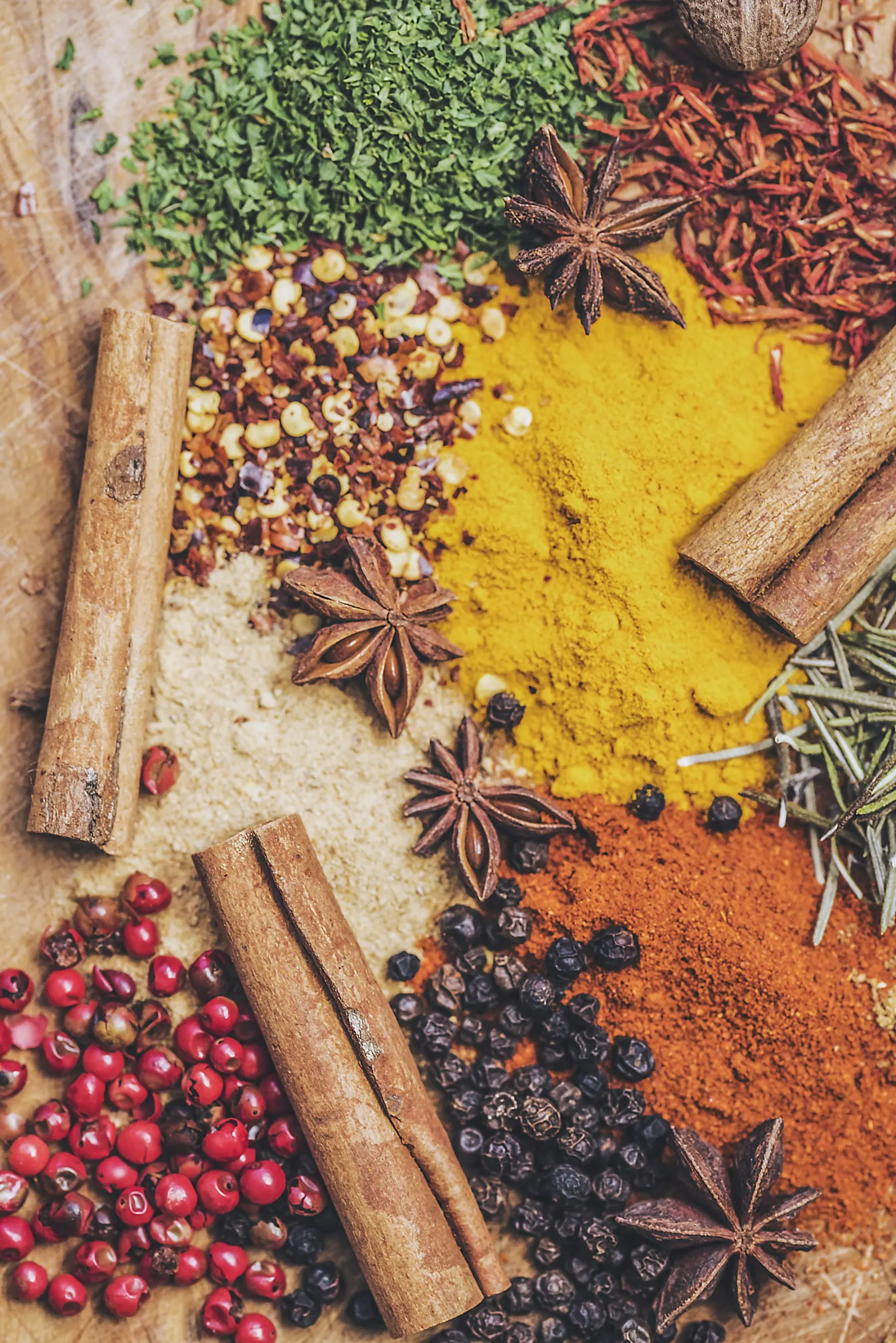
Top Spices Exported From India: Demand, Quality Grades, and Sourcing Seasonality
Analyze the highest-demand Indian spices, their global import regulations, quality grading parameters, and the agricultural calendar for planning purchases.
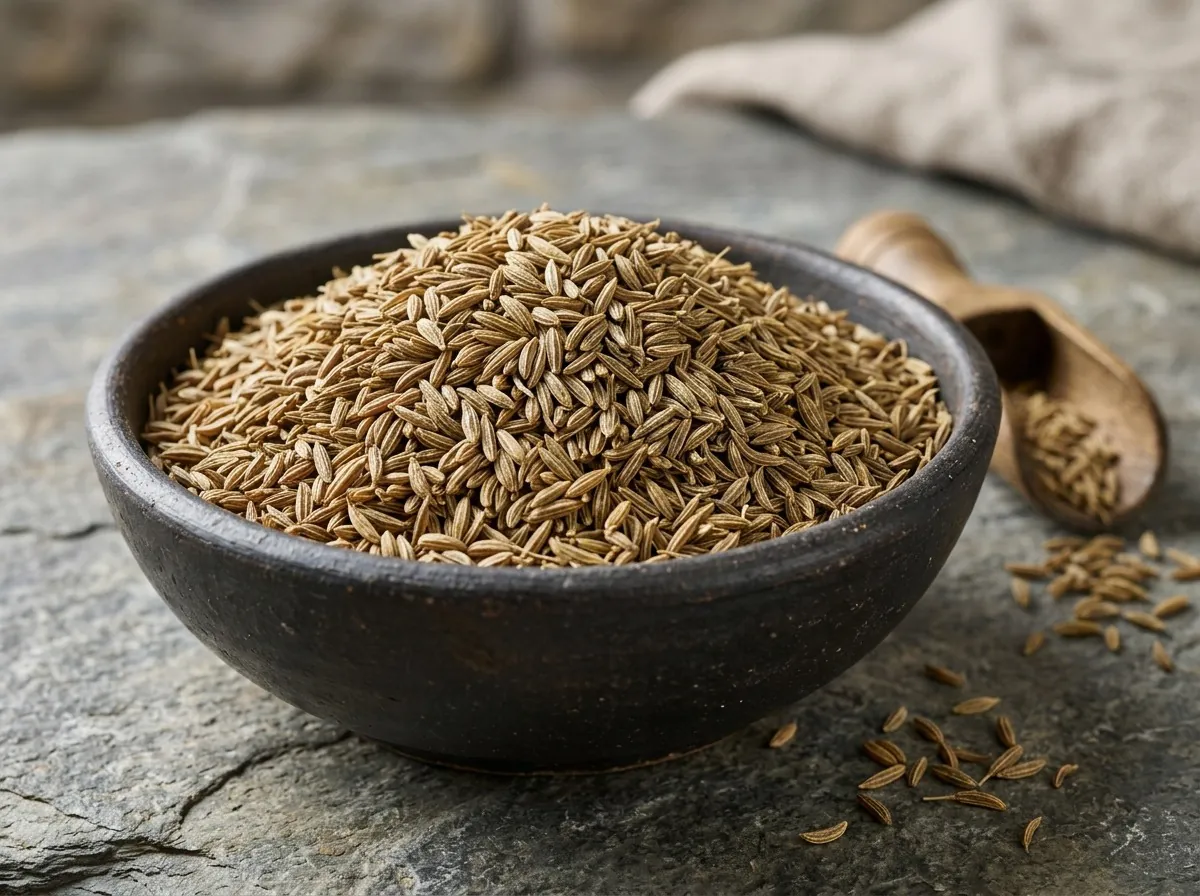
Cumin Seed Grades Explained: Singapore, Europe and Sortex
What the 99%, 99.5% and 99.9% purity grades of Indian cumin actually mean, which buyers use each one, and what to put in your purchase contract.
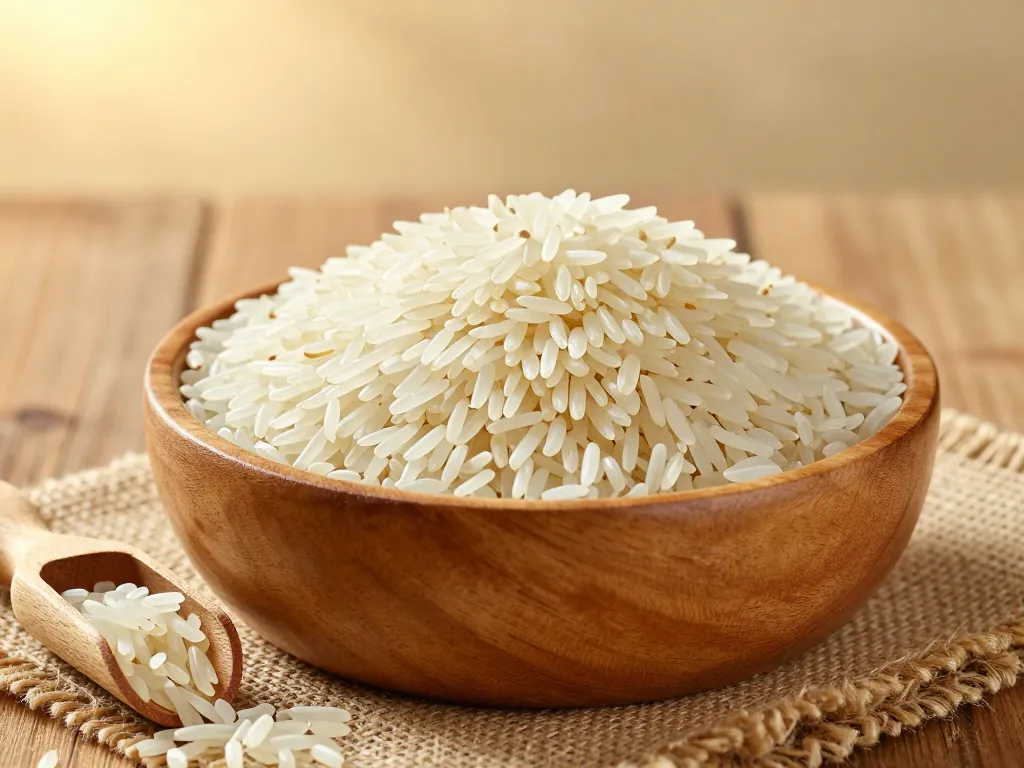
1121 vs 1509 vs 1718 Basmati: Which Variety Should You Import?
Grain length, cooking behaviour, price and market fit of the three most traded Indian basmati varieties, in plain terms.
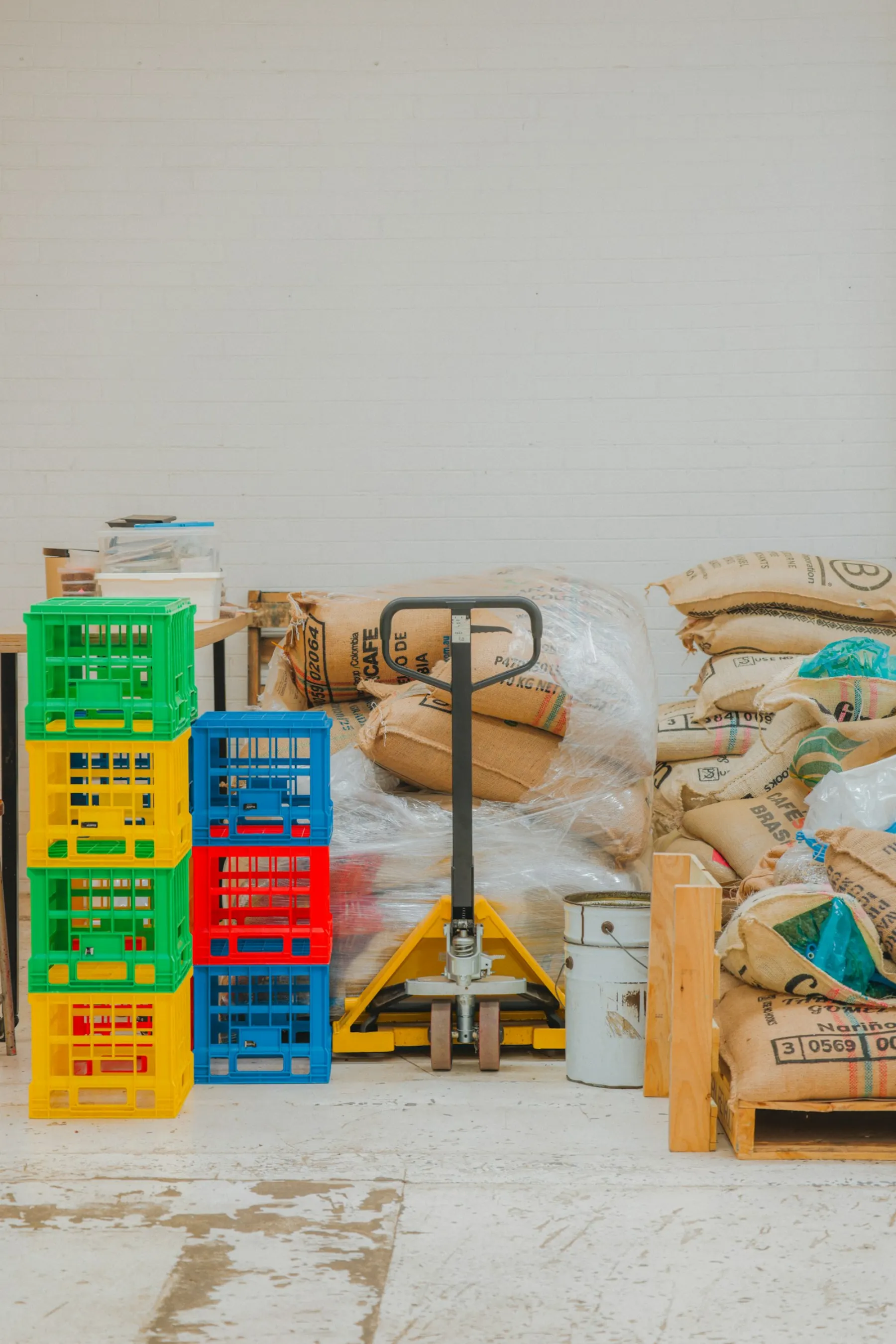
A Checklist for Your First Mixed Container from India
How to combine spices, rice, pulses and packaged groceries in one 20 ft or 40 ft container without problems at loading or customs.
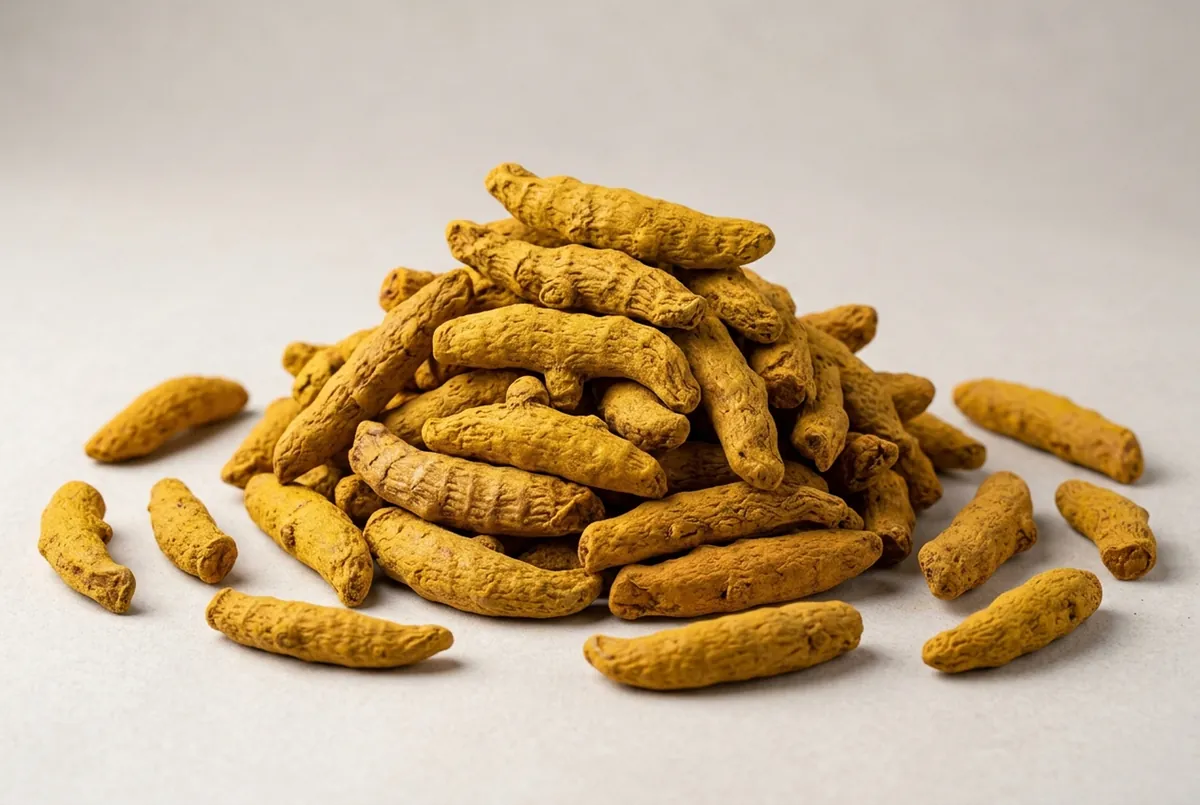
Buying Indian Turmeric: Curcumin, Lead Testing and Origins
Why curcumin content varies between Indian turmeric origins, what tests to ask for, and how fingers, bulbs and powder differ for buyers.
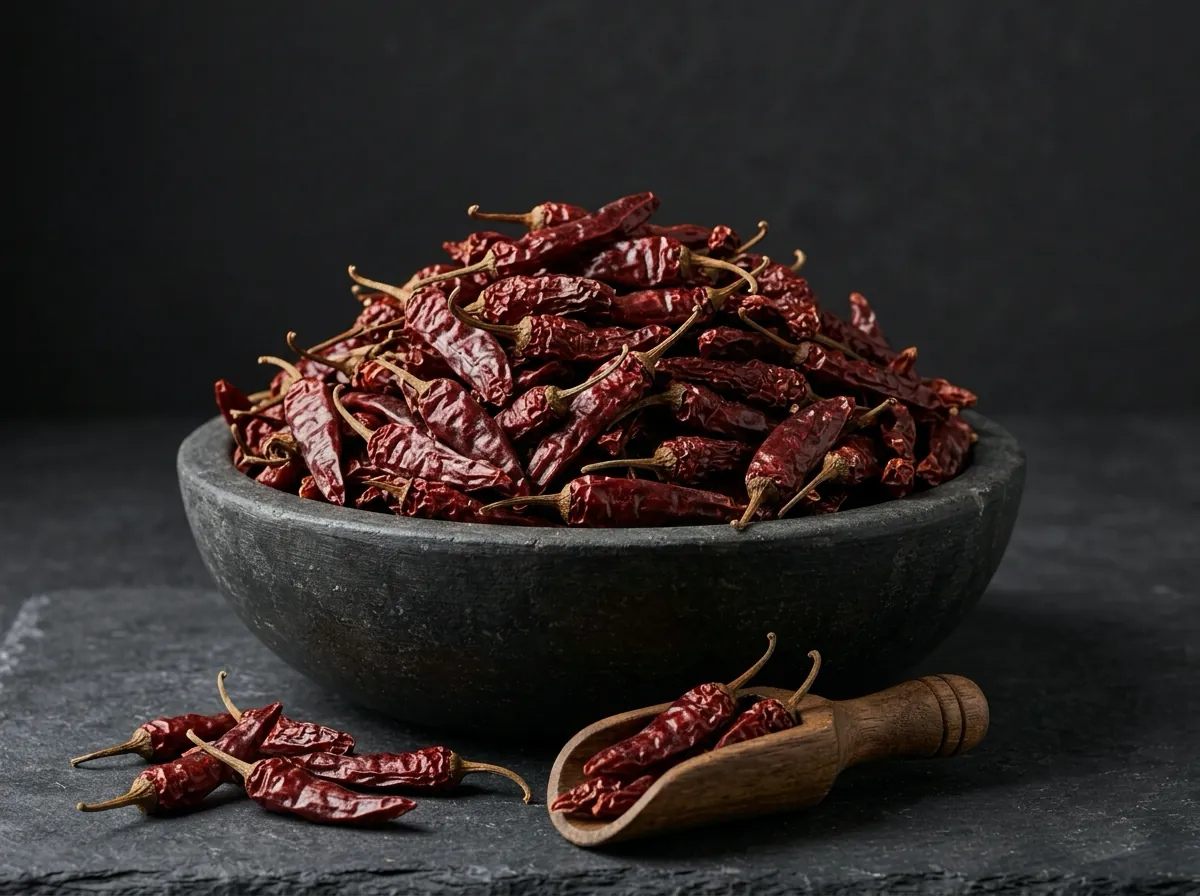
Byadgi, Teja, Guntur, Kashmiri: A Guide to Indian Dried Chillies
Colour, heat and use of the main Indian chilli varieties, and how buyers specify ASTA colour, Scoville heat and stem condition.

Steam-Sterilised Spices: What It Is and When You Need It
How steam sterilisation lowers microbial counts in spices without chemicals, which markets ask for it, and what it does to flavour.
Export Documents You Should Receive with Food from India
The commercial, shipping and food-safety documents that come with a food container from India, and what each one is for.
FOB, CFR or CIF? Choosing Price Terms When You Buy from India
What each Incoterm includes, who pays freight and insurance, and which one makes sense for a first-time importer.
Starting a Private-Label Spice Range Sourced from India
Pack formats, minimum quantities, artwork, labelling rules and timelines for launching your own spice brand with an Indian exporter.
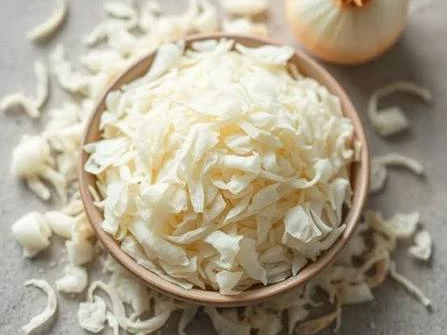
Dehydrated Onion from India: Flakes, Kibbled, Minced, Granules and Powder
The standard cuts of dehydrated white onion, their particle sizes and uses, and the quality points food manufacturers check.
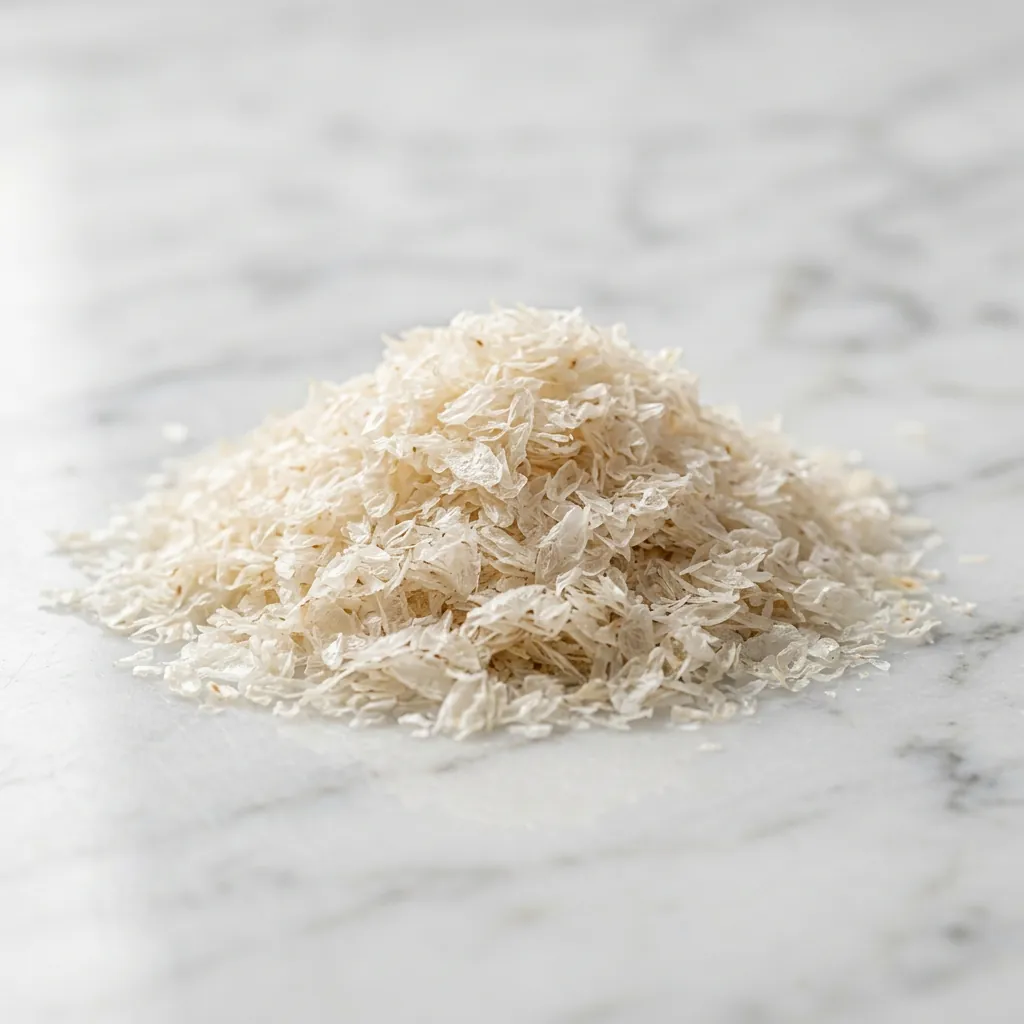
Psyllium Husk Purity Grades: 85% to 99% Explained
What the purity percentages of psyllium husk mean, how mesh size changes the use, and what fibre and food buyers test for.
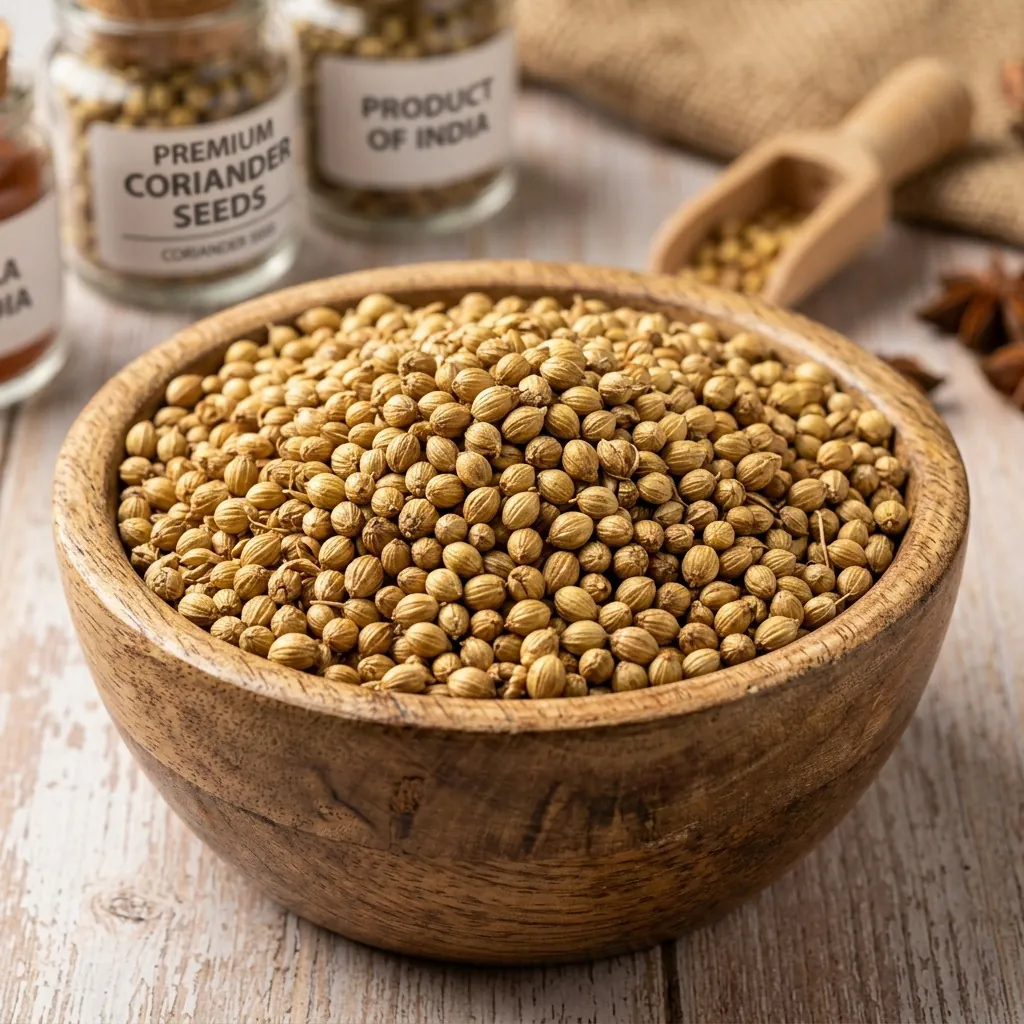
Coriander Seed Grades: Eagle, Scooter and Parrot
How Indian coriander is graded by colour and size, which grades suit grinders and which suit whole-seed packers.
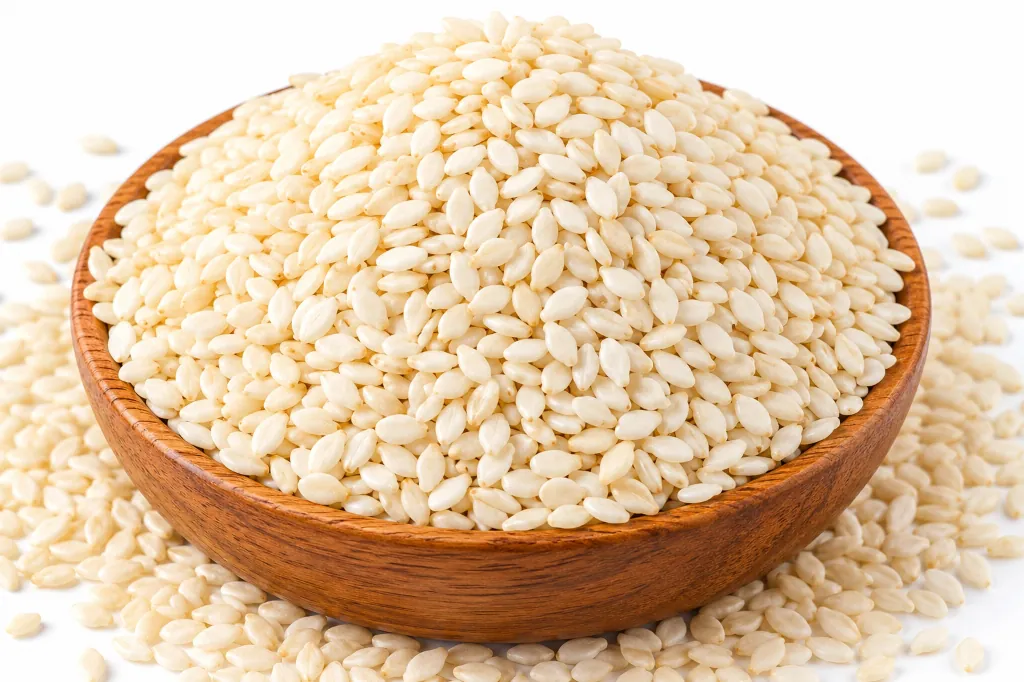
Hulled vs Natural Sesame Seeds: Which One Do You Need?
The difference between hulled, natural white and black sesame from India, and which bakeries, tahini makers and oil millers buy each.
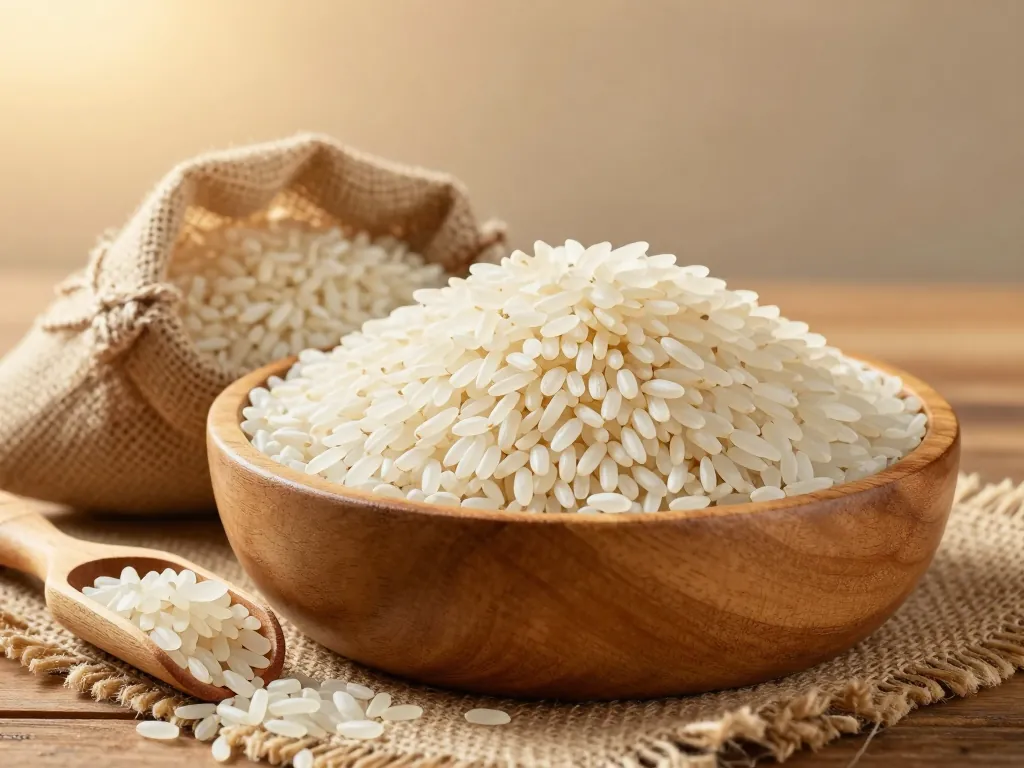
Non-Basmati Rice from India: Sona Masoori, Ponni, IR64 and More
A buyer’s guide to the main Indian non-basmati rice varieties, their cooking traits and the markets that use them.
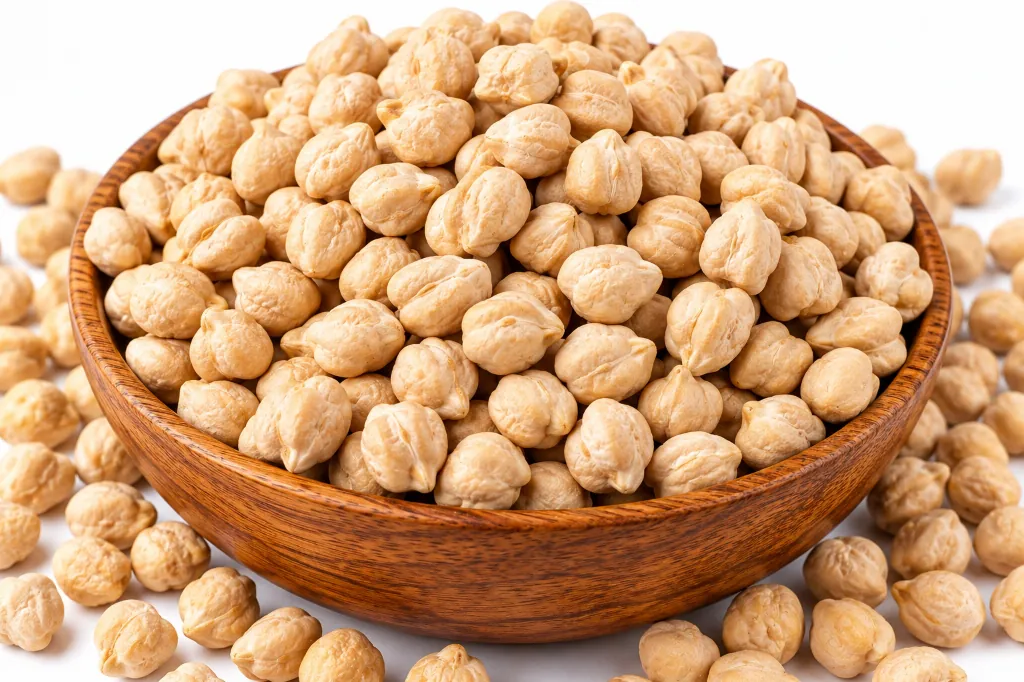
Indian Pulses for Importers: Chickpeas, Toor, Moong, Urad and Masoor
Whole and split forms, counts and sizes, polishing and the specifications to agree when you import pulses from India.
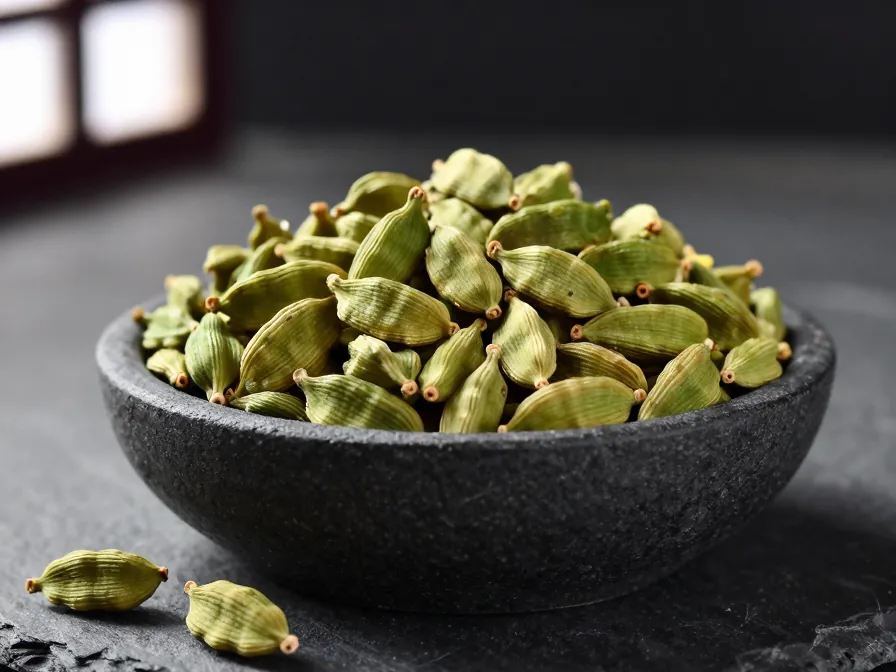
Green Cardamom Buying Guide: Sizes, Colour and Grades
How Indian green cardamom is graded by pod size in millimetres, why colour matters, and what Gulf and European buyers ask for.
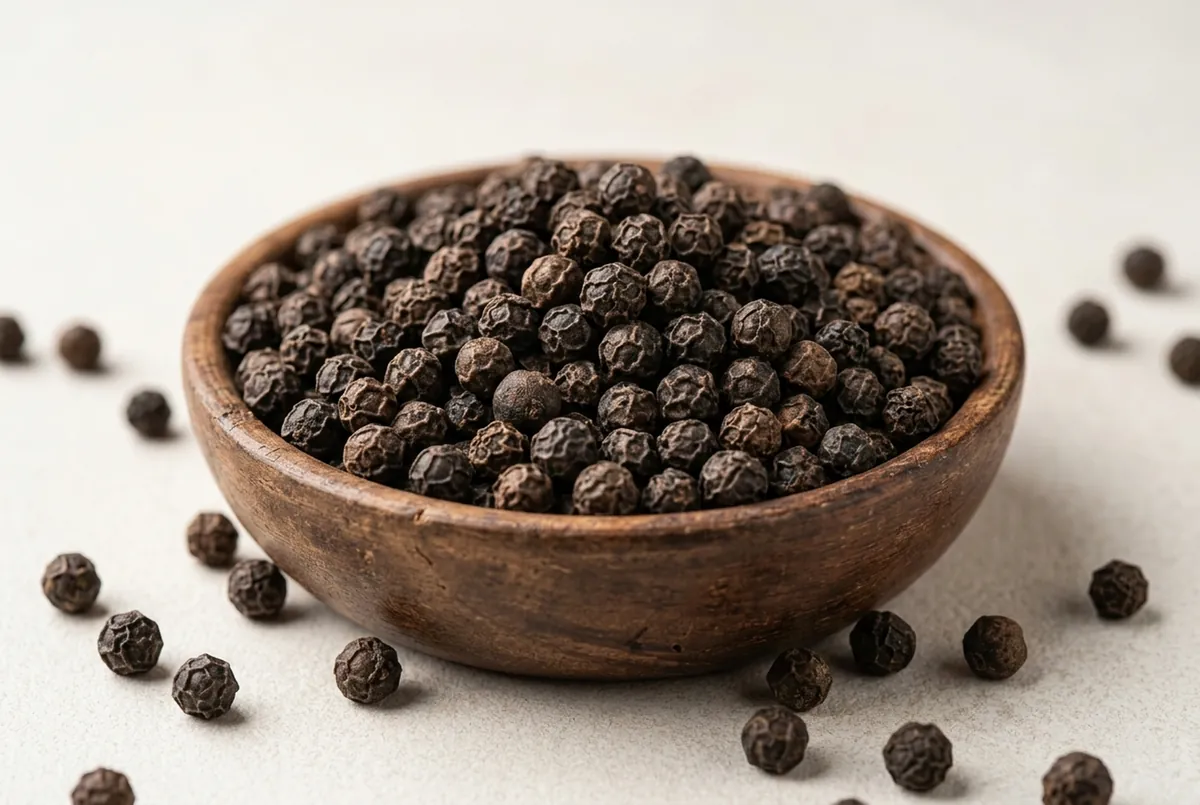
Black Pepper Grades: Bulk Density, Garbled and Ungarbled
What 500 g/l and 550 g/l mean, the difference between garbled and ungarbled pepper, and the tests to request.
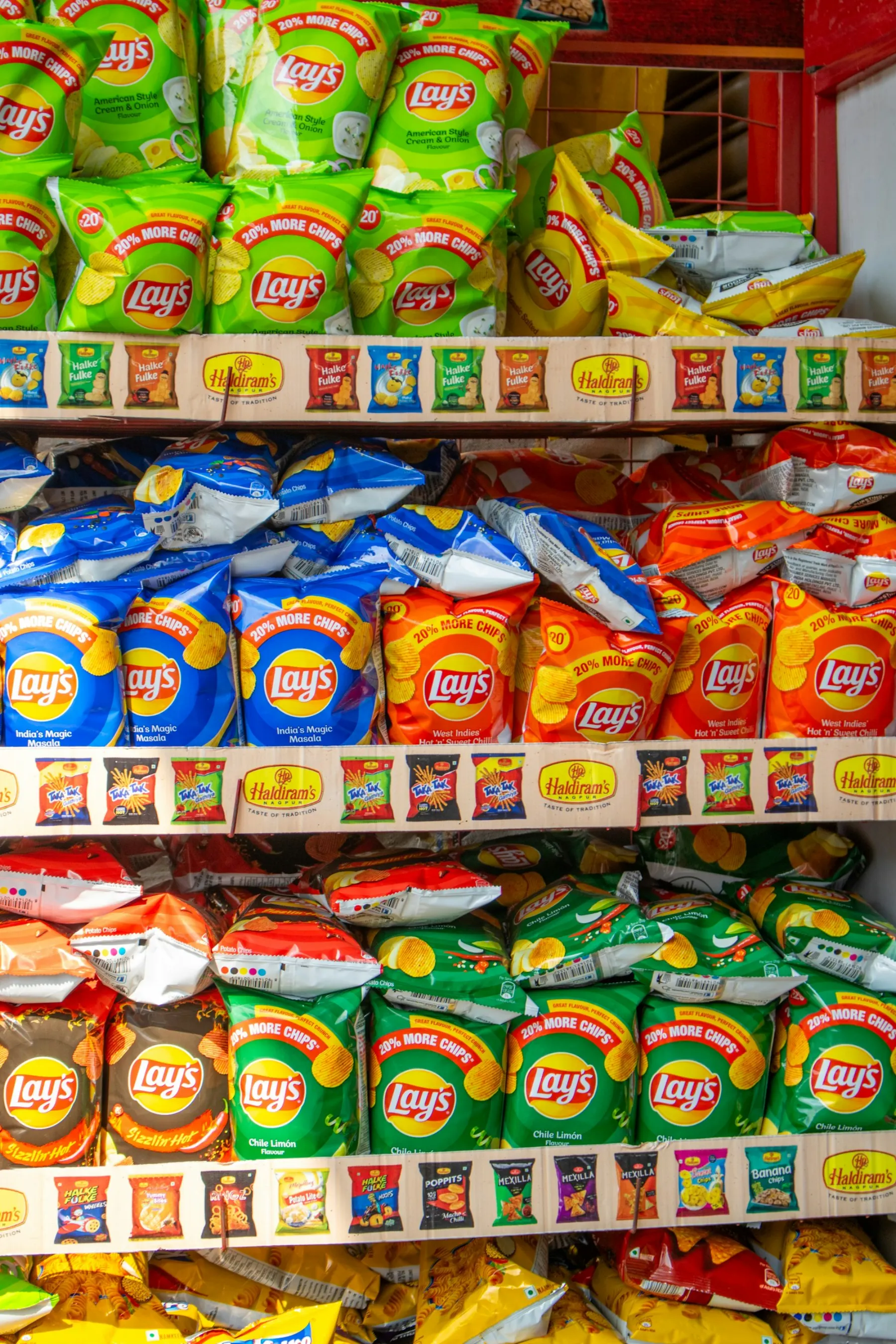
Stocking an Indian Grocery Store: Importing FMCG Brands from India
How importers and supermarkets buy packaged Indian brands in mixed containers, and what to check on labels, shelf life and pricing.
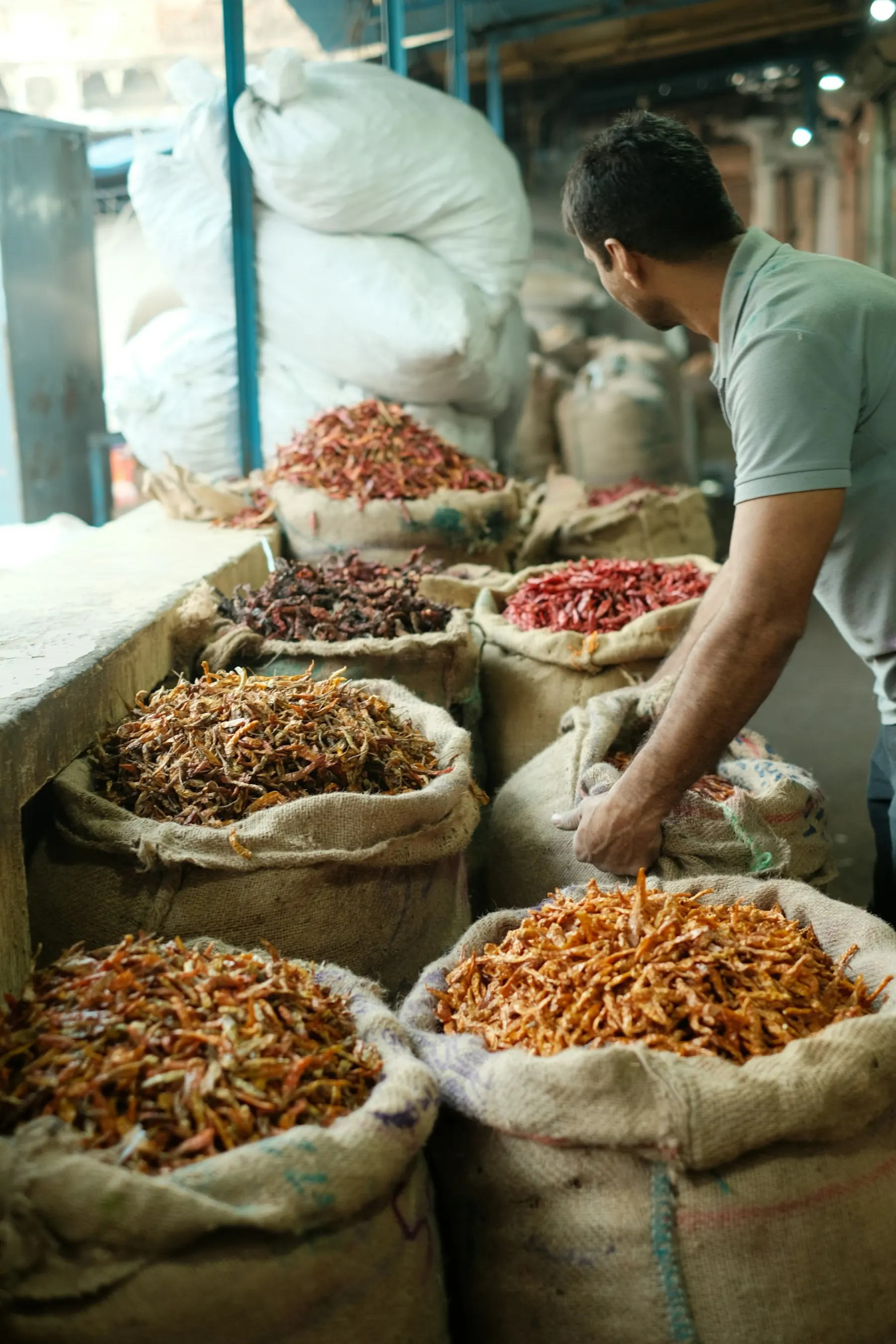
Pesticide Residues and EU MRLs: What Spice Importers Need to Know
Why maximum residue limits differ between markets, how Indian lots are tested, and how to reduce the risk of a border rejection.
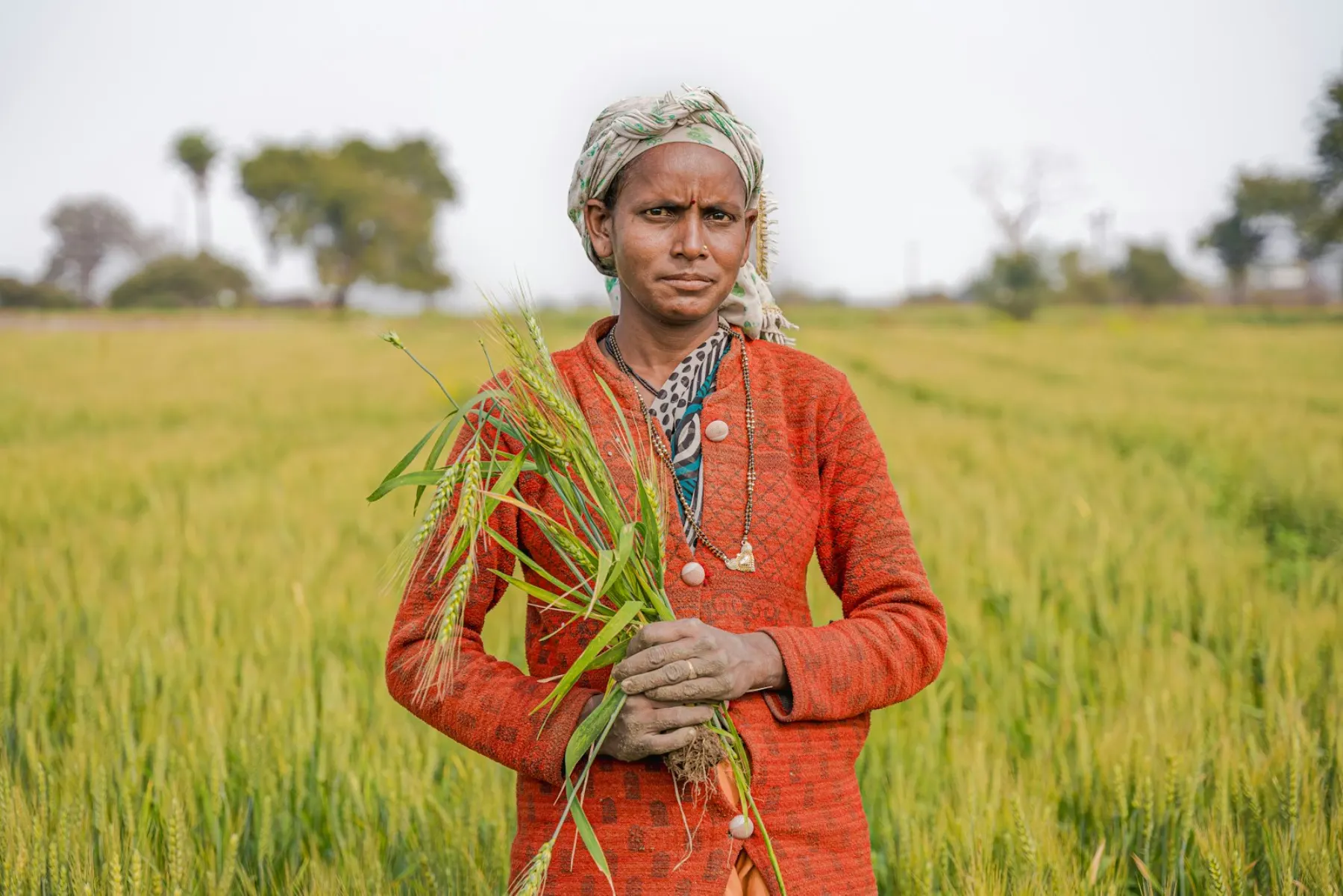
The Indian Spice Harvest Calendar: When to Buy What
Harvest months for cumin, coriander, chilli, turmeric, pepper and cardamom, and how timing your purchases affects price and quality.
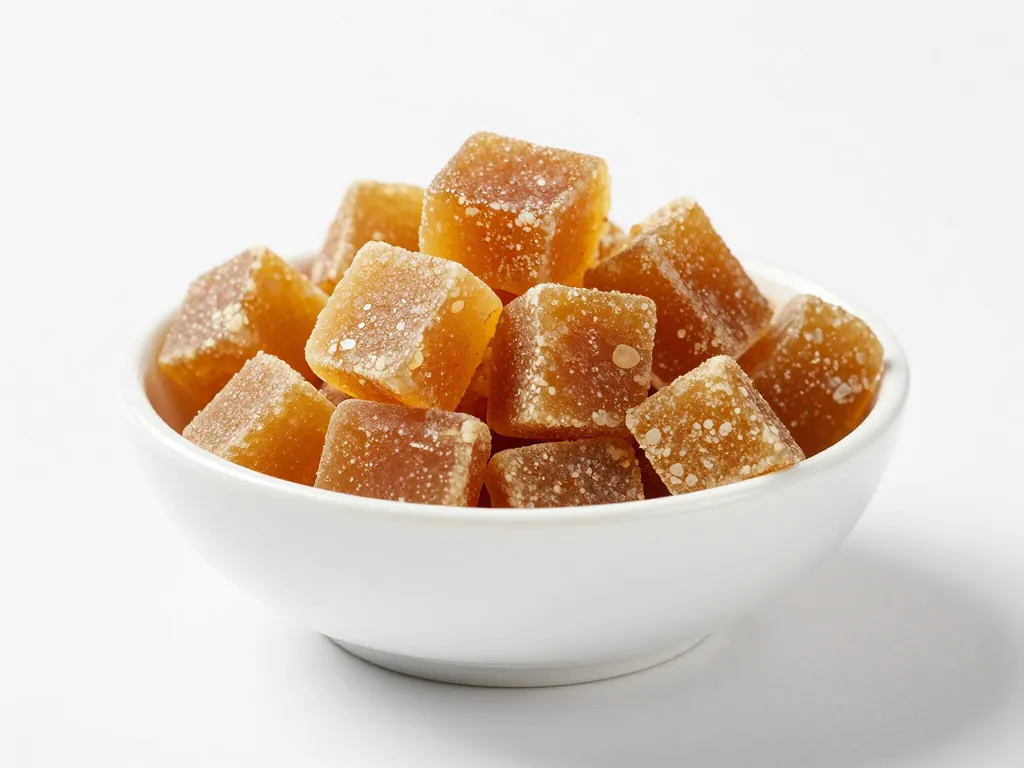
Importing Jaggery from India: Blocks, Cubes, Powder and Liquid
The forms of Indian cane jaggery, how colour and moisture are graded, and how to keep jaggery in good condition during shipping.
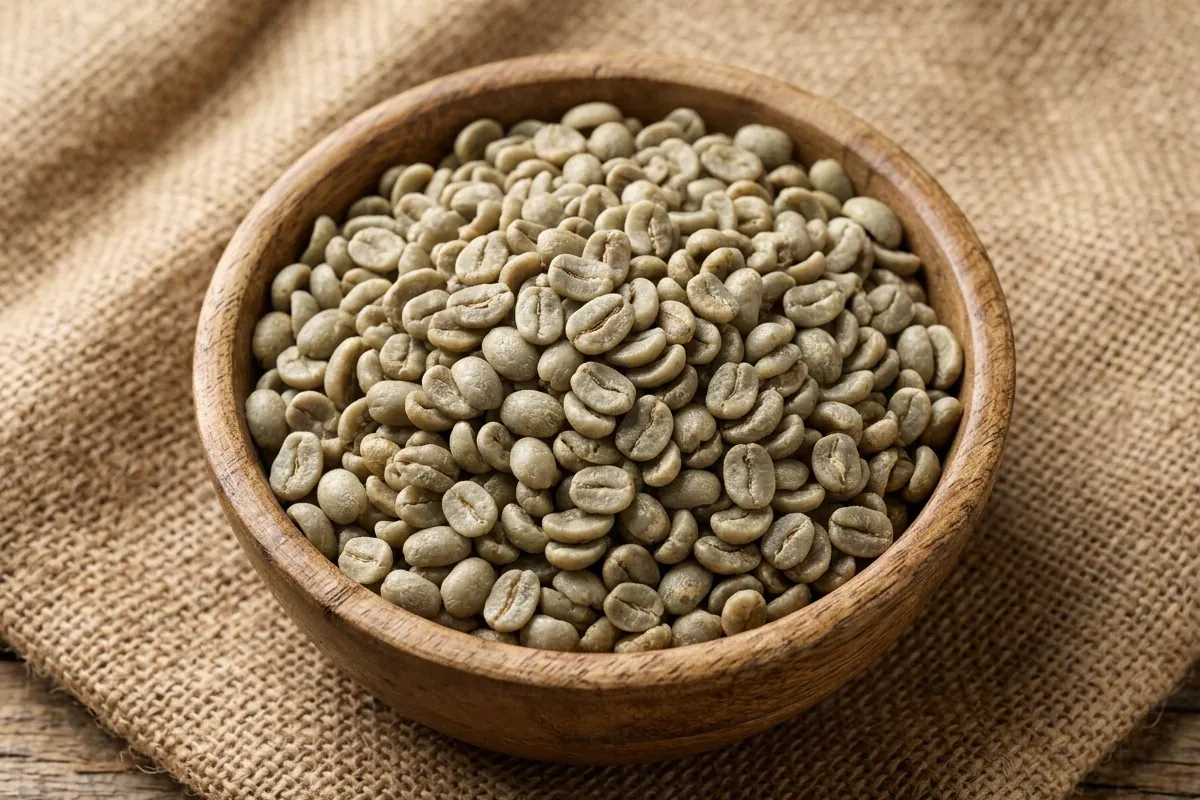
Indian Coffee for Roasters: Arabica, Robusta and Monsooned Malabar
Where Indian coffee grows, how it is graded, and why shade-grown Robusta and Monsooned Malabar have a following among roasters.
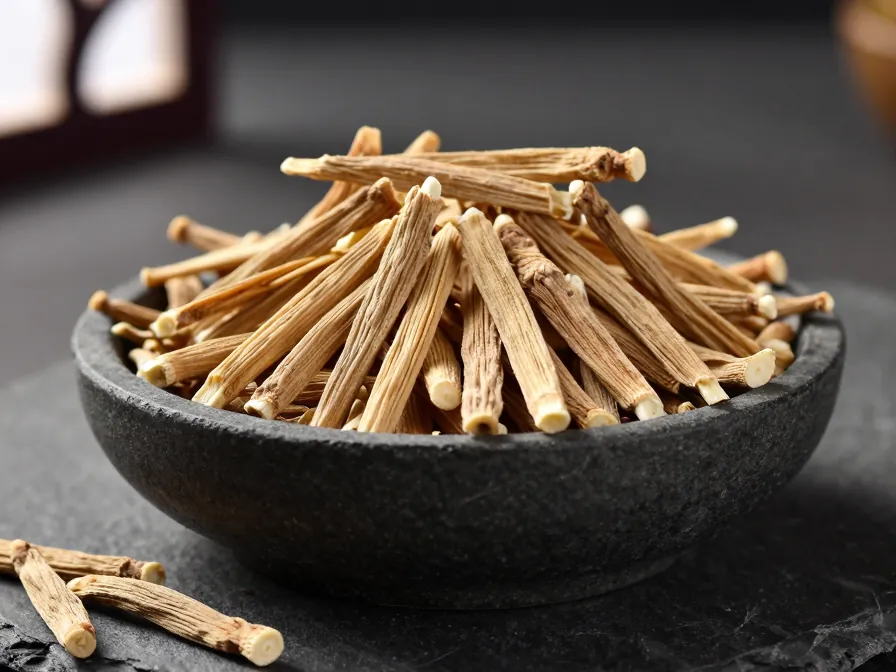
Sourcing Ayurvedic Herbs from India: Identity, Purity and Paperwork
How herbal and supplement buyers check the identity and quality of roots, barks and leaves, and the export rules for protected plants.
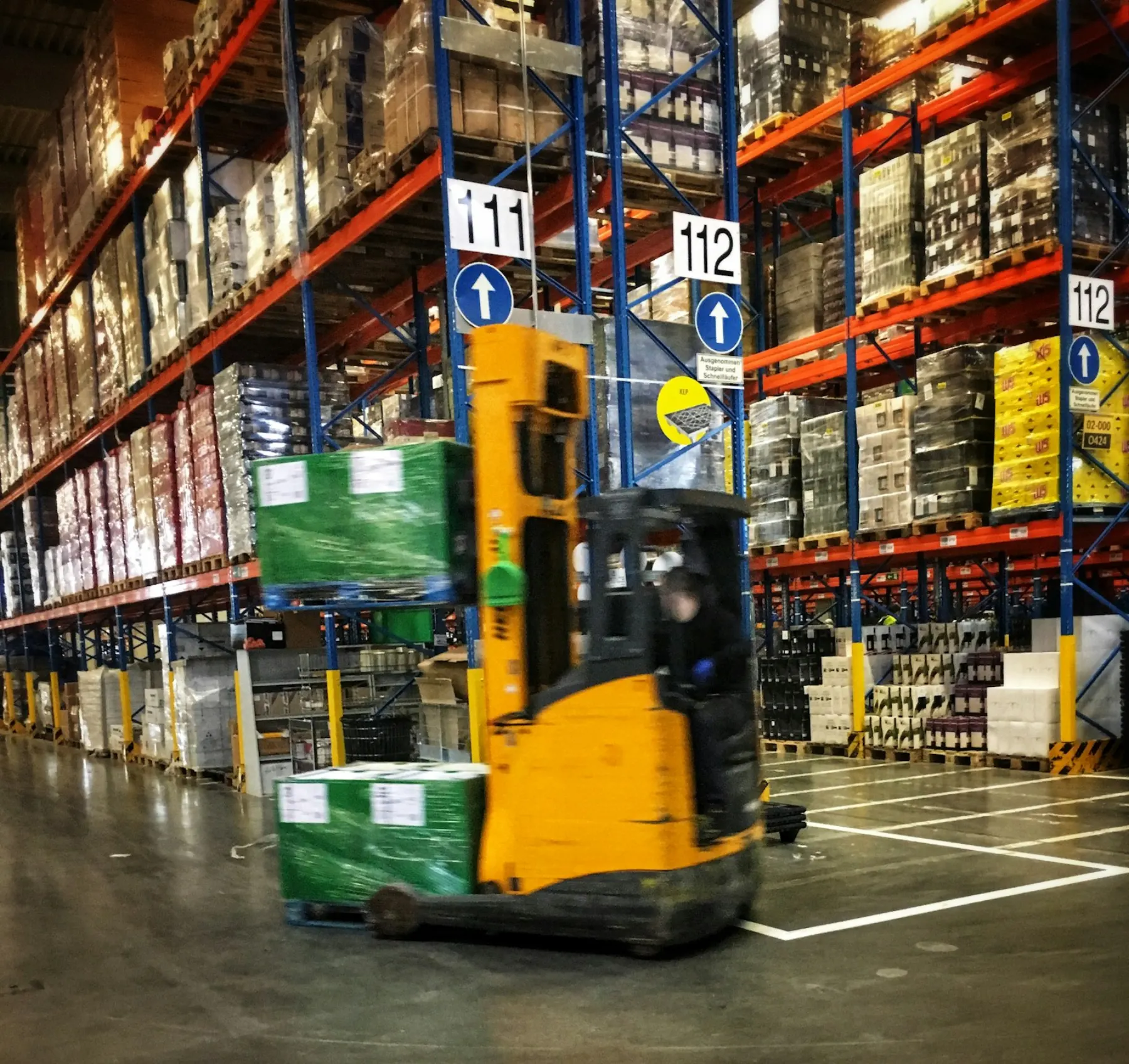
How Much Fits in a 20 ft or 40 ft Container? A Guide for Food Buyers
Why weight limits, not space, decide most food container loads, with typical tonnages for rice, pulses, spices and light products.
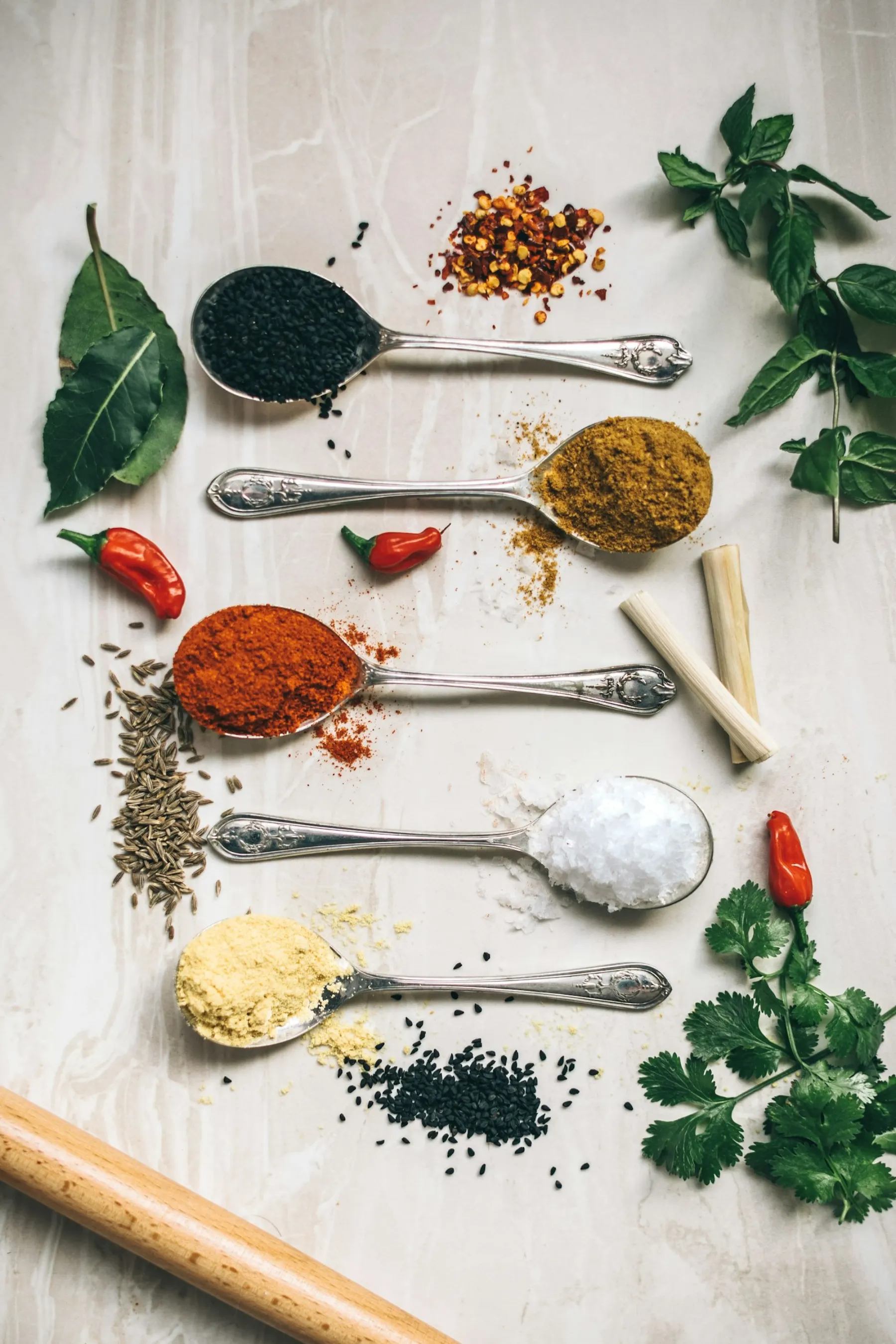
How to Evaluate a Spice Sample Before You Order
A simple routine for checking colour, aroma, cleanliness and moisture in a sample, and matching it to the lot you will receive.
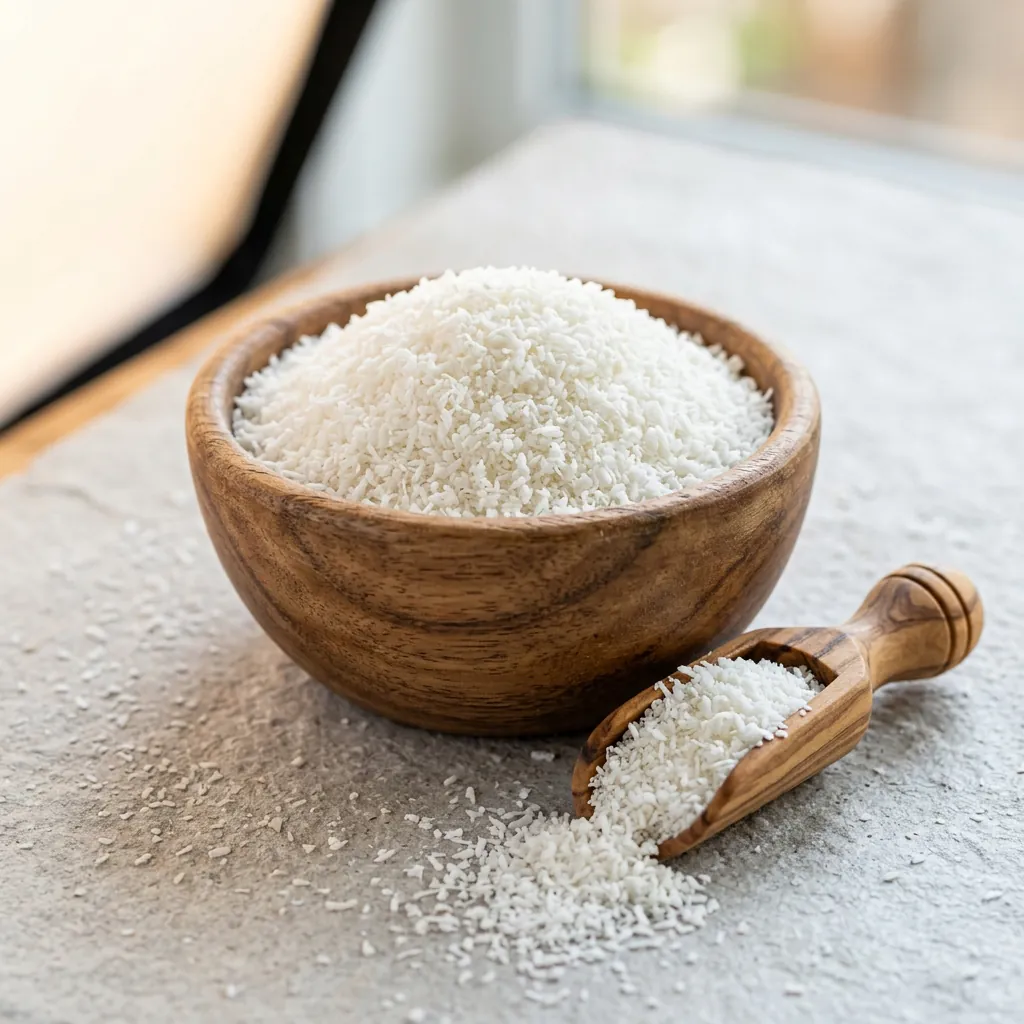
Desiccated Coconut Grades: Fine, Medium and High Fat
How desiccated coconut is graded by cut size and fat content, and what bakeries and confectioners specify when they import from India.