
Indian spices, rice & grocery exporter to Europe
The European Union demands rigorous adherence to MRLs (Maximum Residue Levels) for pesticides and toxins. Our in-house testing and third-party Eurofins validation ensure every shipment meets EU standards.

Popular in Europe
Destination ports
Import documents
- Health / phytosanitary certificate
- Lab reports on request
- EU compliant labelling
Indian spices, seeds and botanicals for the EU
European buyers take Indian spices, sesame, psyllium, herbs and dehydrated onion for food manufacturing, plus basmati and groceries for retail. The EU has the strictest residue and contaminant rules of any of our markets, so every lot is tested before it ships.
EU residue limits and border controls
Pesticide residues must meet EU maximum residue levels (Regulation (EC) No 396/2005), which are often set at the lowest level a lab can measure. Some products from India are listed under Regulation (EU) 2019/1793 for increased border checks or special conditions, which can require an official certificate and lab report with each consignment. Ethylene oxide is banned in food in the EU.
Shipments are pre-notified through the EU’s TRACES system (CHED-D) where required, and retail labels must follow Regulation (EU) No 1169/2011, in the language of the country of sale.
Documents and ports
We provide the commercial invoice, packing list, bill of lading, certificate of origin, phytosanitary certificate, official certificates where 2019/1793 applies and lab reports tested to EU limits. We quote to Rotterdam, Antwerp, Hamburg, Felixstowe and other EU ports.
Official sources
Rules change; check current requirements with your customs broker. The regulator’s own pages:
Products we ship to Europe
40+ countries, 380 products — in bulk, retail packs or your own private label.
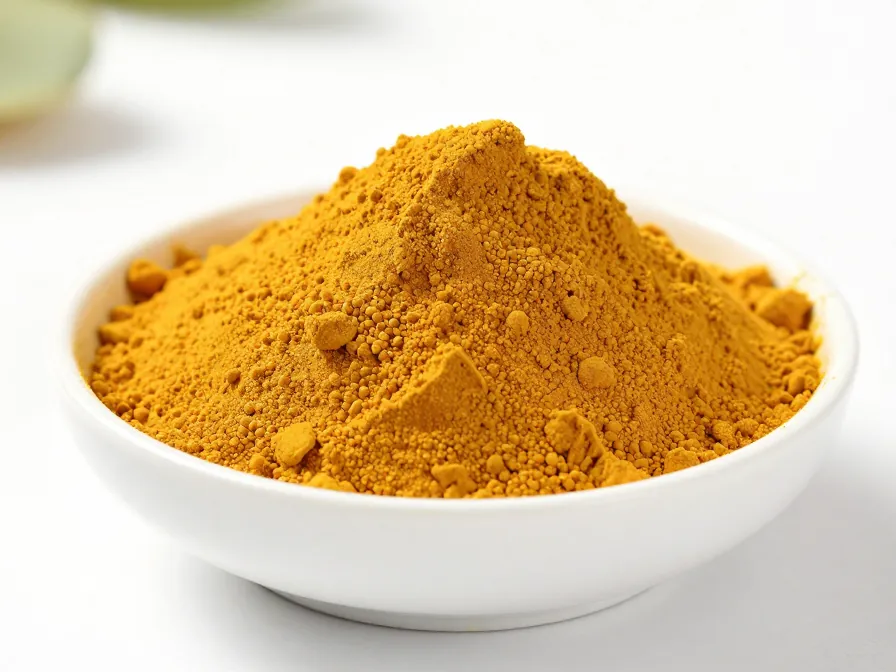
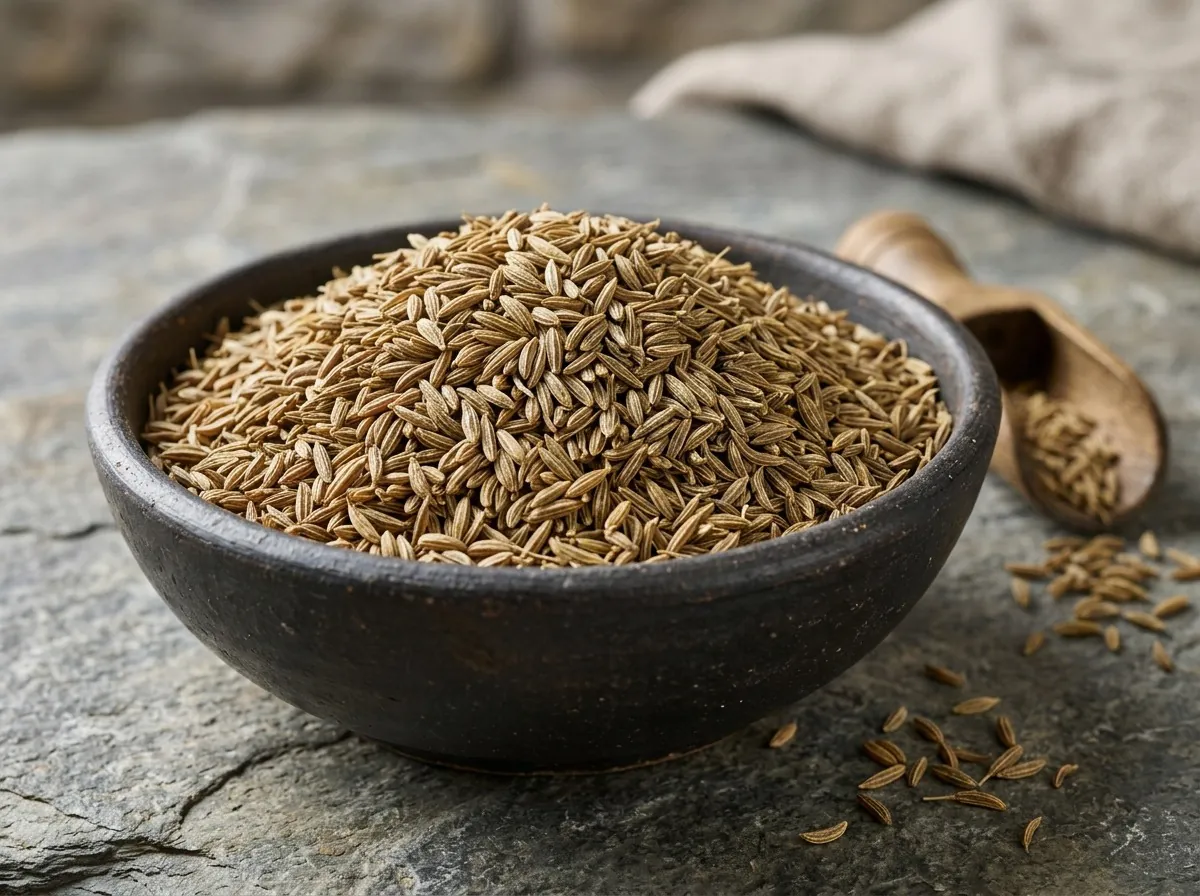
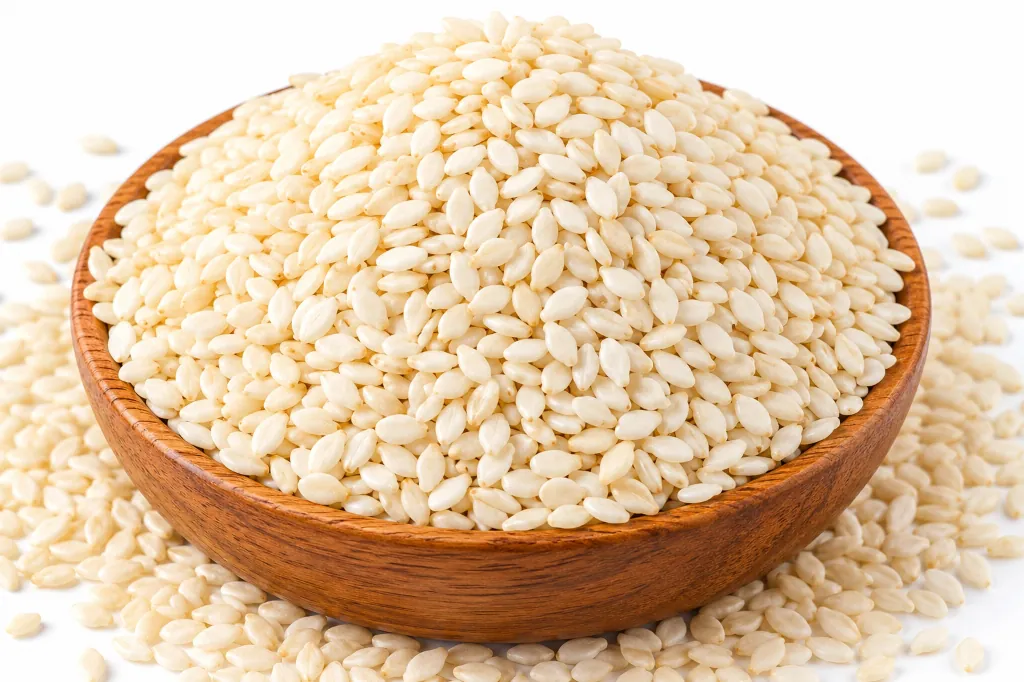
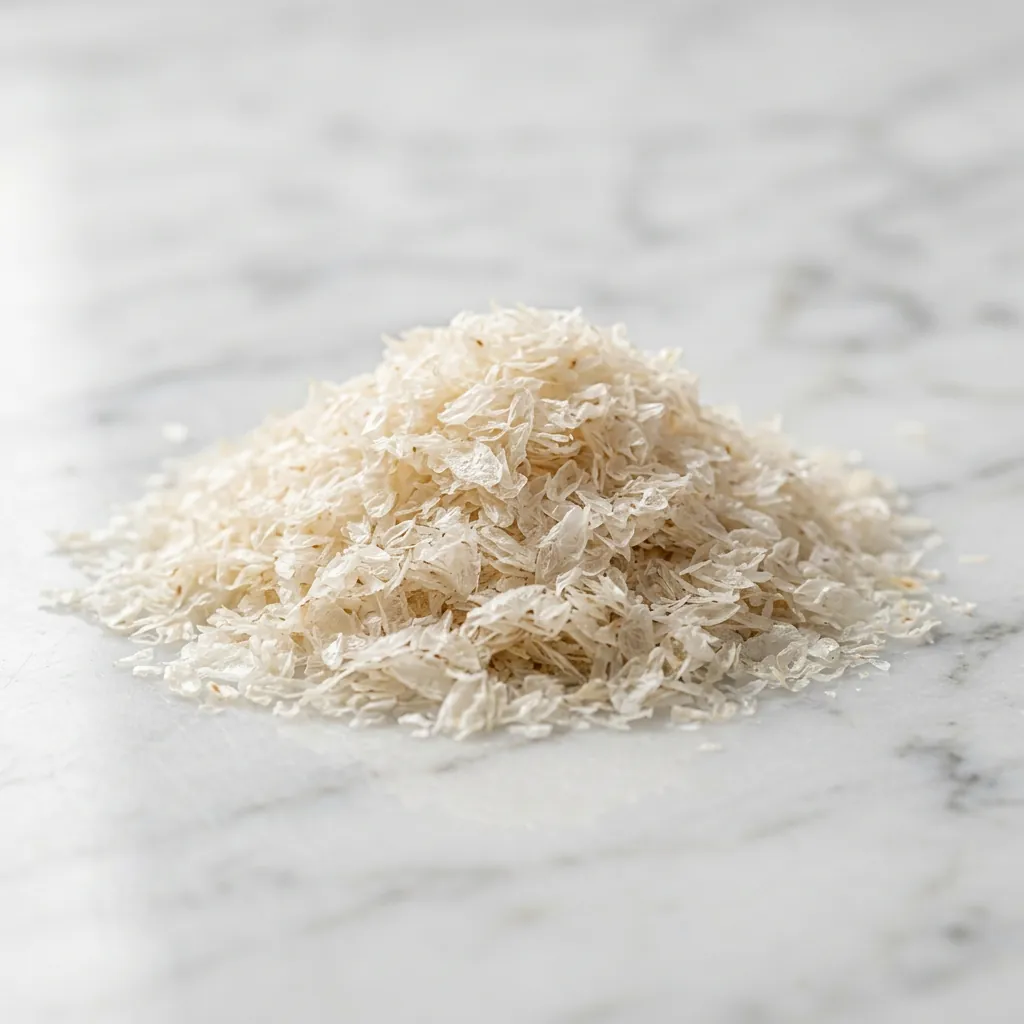
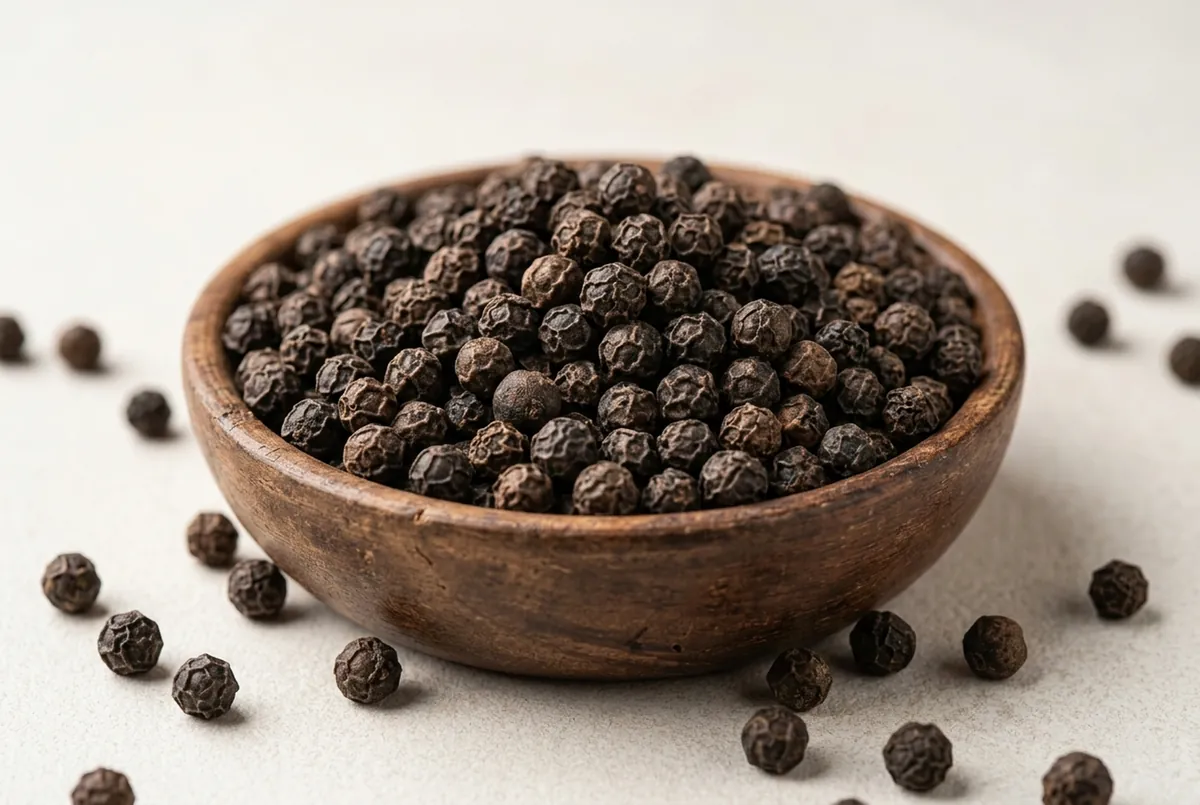
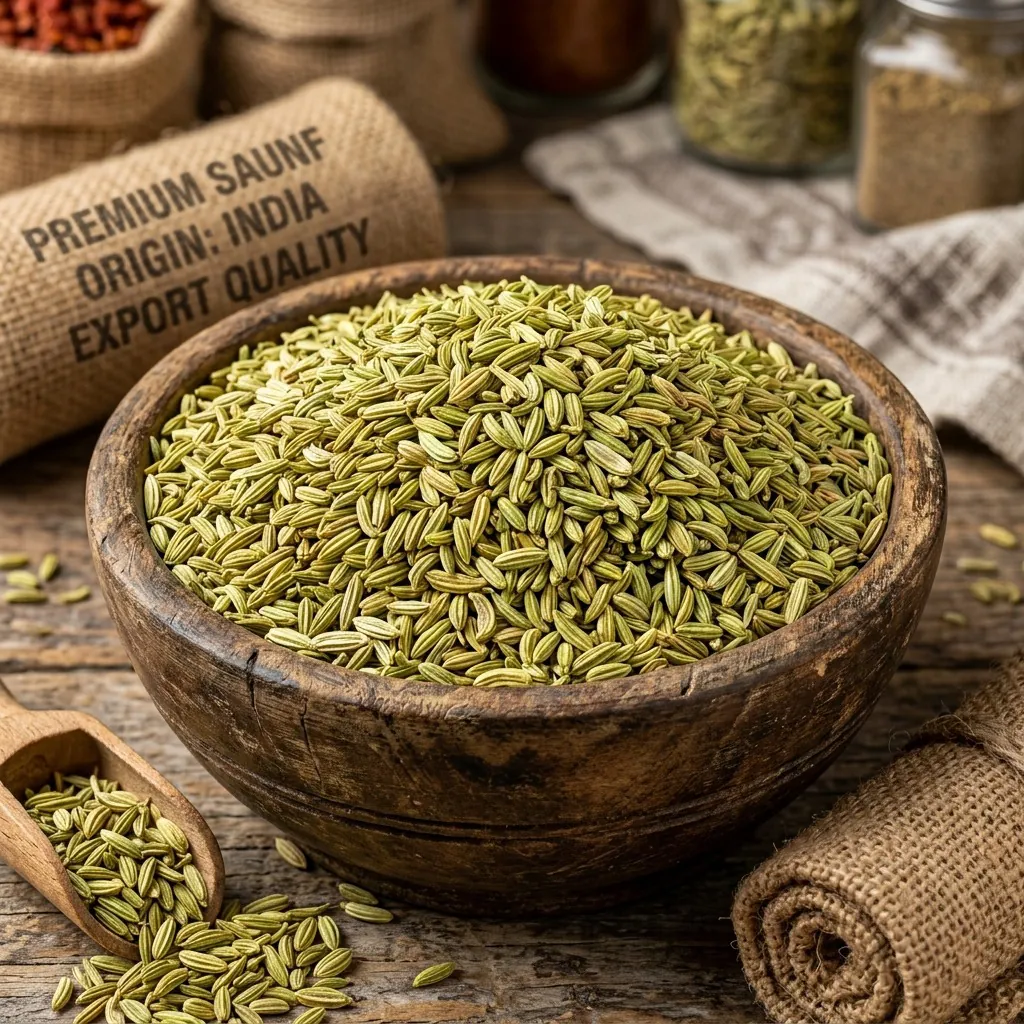
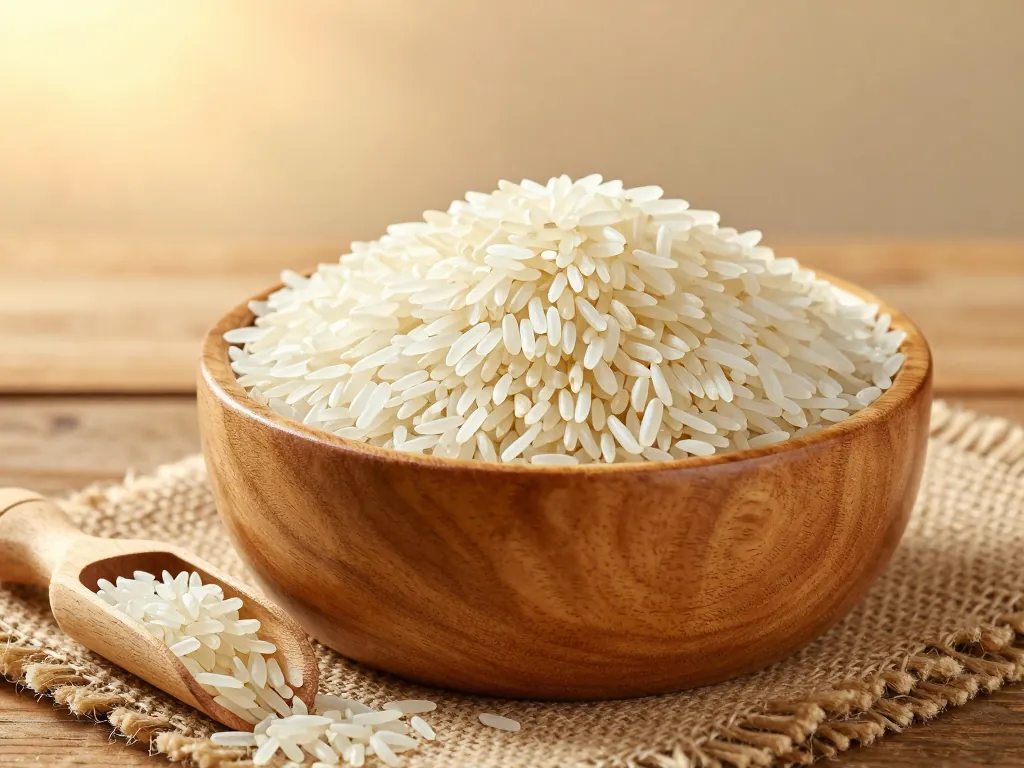
One container for your whole Indian range
Combine spices, rice, pulses and FMCG groceries in a single mixed container to Europe — one supplier, one set of documents.
How mixed containers work