Sunita Agri ExportsGovt. Recognised Star Export House
Get a Quote
RiceBasmati

1121 vs 1509 vs 1718 Basmati: Which Variety Should You Import?
28 October 2026 · 6 min read · Sunita Agri Exports Export Team

1121 vs 1509 vs 1718 Basmati: Which Variety Should You Import?

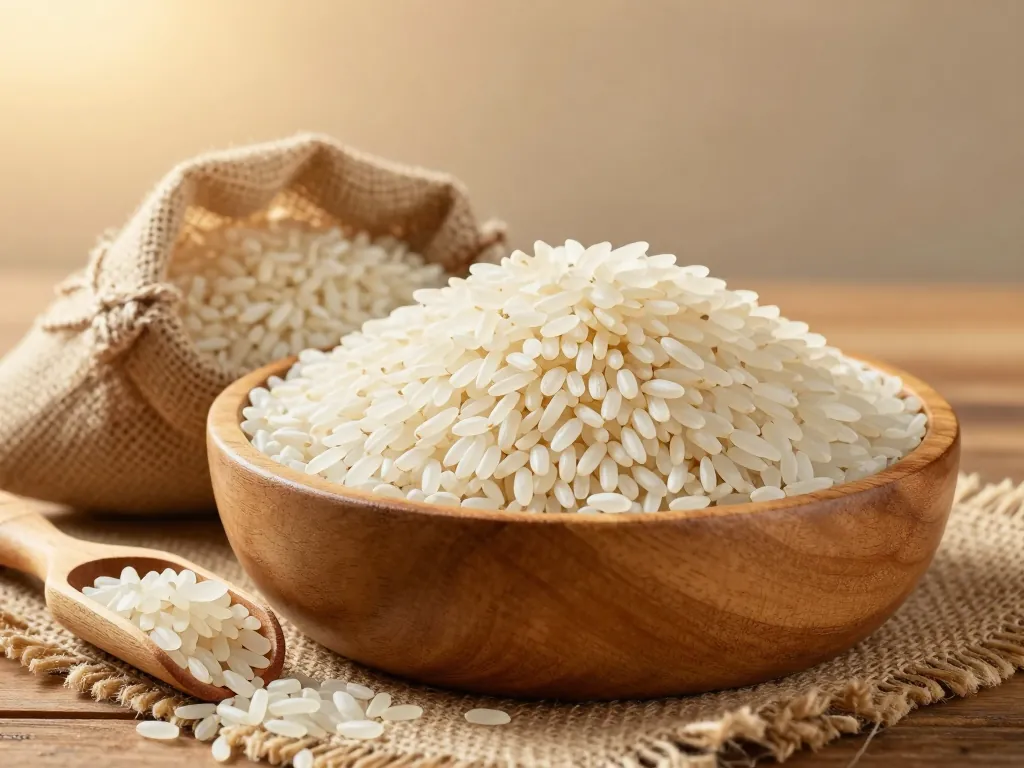
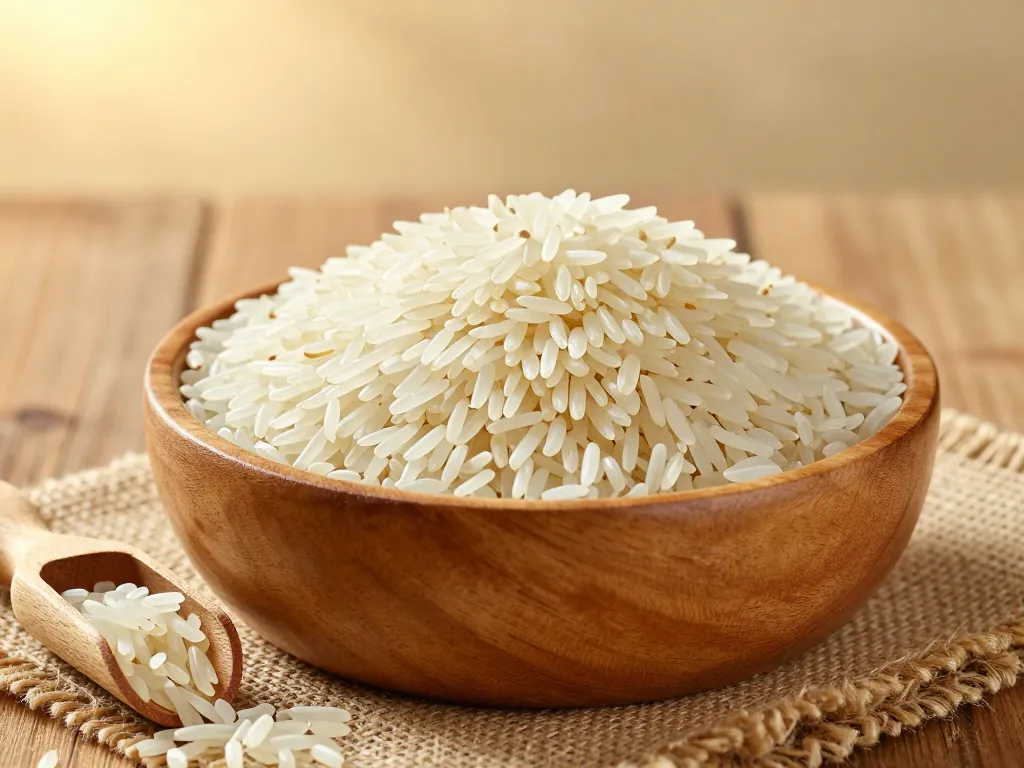
Most Indian basmati sold abroad today is one of three Pusa varieties: 1121, 1509 and 1718. They look similar in the bag but differ in length after cooking, aroma, price and which markets prefer them.

1121 basmati

The longest grain of the three, with raw grains often around 8.3 mm and cooked grains that can stretch past 20 mm. It is the benchmark in the Gulf, especially Saudi Arabia, the UAE and Kuwait, and in many restaurants worldwide. It is sold as raw (white), steam and golden sella (parboiled).

1509 basmati

A shorter-duration crop with grains close to 1121 in length and a good aroma, usually at a lower price. Buyers choose it as a value long-grain basmati. Because it grows in a hotter part of the season, pesticide management matters for EU-bound lots, so test reports are essential.

1718 basmati

Bred as a disease-resistant version of 1121 with very similar grain and cooking qualities. It suits buyers who want 1121-type rice with a better residue profile, which is why it is increasingly asked for in Europe.

Forms you can order

  • Raw / white: milled without parboiling; softest texture and strongest aroma.
  • Steam: paddy steamed lightly before milling; firmer grains that stay separate.
  • Sella (white or golden): fully parboiled; very robust in cooking, favoured by caterers and in the Gulf.

Points for your contract

Specify the variety, form, average grain length, broken percentage (for example max 1% or 2%), moisture, purity (how much non-basmati grain is allowed), crop year and ageing, and the bag type. Ask for a cooked-grain test from the sample before you confirm.

More guides

How to Import Spices from India: A Complete Guide for International Buyers8 min readTop Spices Exported From India: Demand, Quality Grades, and Sourcing Seasonality6 min readCumin Seed Grades Explained: Singapore, Europe and Sortex5 min readA Checklist for Your First Mixed Container from India6 min readBuying Indian Turmeric: Curcumin, Lead Testing and Origins6 min readByadgi, Teja, Guntur, Kashmiri: A Guide to Indian Dried Chillies6 min readSteam-Sterilised Spices: What It Is and When You Need It5 min readExport Documents You Should Receive with Food from India6 min readFOB, CFR or CIF? Choosing Price Terms When You Buy from India5 min readStarting a Private-Label Spice Range Sourced from India6 min readDehydrated Onion from India: Flakes, Kibbled, Minced, Granules and Powder5 min readPsyllium Husk Purity Grades: 85% to 99% Explained5 min readCoriander Seed Grades: Eagle, Scooter and Parrot4 min readHulled vs Natural Sesame Seeds: Which One Do You Need?5 min readNon-Basmati Rice from India: Sona Masoori, Ponni, IR64 and More6 min readIndian Pulses for Importers: Chickpeas, Toor, Moong, Urad and Masoor6 min readGreen Cardamom Buying Guide: Sizes, Colour and Grades5 min readBlack Pepper Grades: Bulk Density, Garbled and Ungarbled5 min readStocking an Indian Grocery Store: Importing FMCG Brands from India6 min readPesticide Residues and EU MRLs: What Spice Importers Need to Know6 min readThe Indian Spice Harvest Calendar: When to Buy What5 min readImporting Jaggery from India: Blocks, Cubes, Powder and Liquid5 min readIndian Coffee for Roasters: Arabica, Robusta and Monsooned Malabar5 min readSourcing Ayurvedic Herbs from India: Identity, Purity and Paperwork6 min readHow Much Fits in a 20 ft or 40 ft Container? A Guide for Food Buyers5 min readHow to Evaluate a Spice Sample Before You Order5 min readDesiccated Coconut Grades: Fine, Medium and High Fat4 min read