Sunita Agri ExportsGovt. Recognised Star Export House
Get a Quote
CorianderQuality Grades

Coriander Seed Grades: Eagle, Scooter and Parrot
21 August 2026 · 4 min read · Sunita Agri Exports Export Team

Coriander Seed Grades: Eagle, Scooter and Parrot

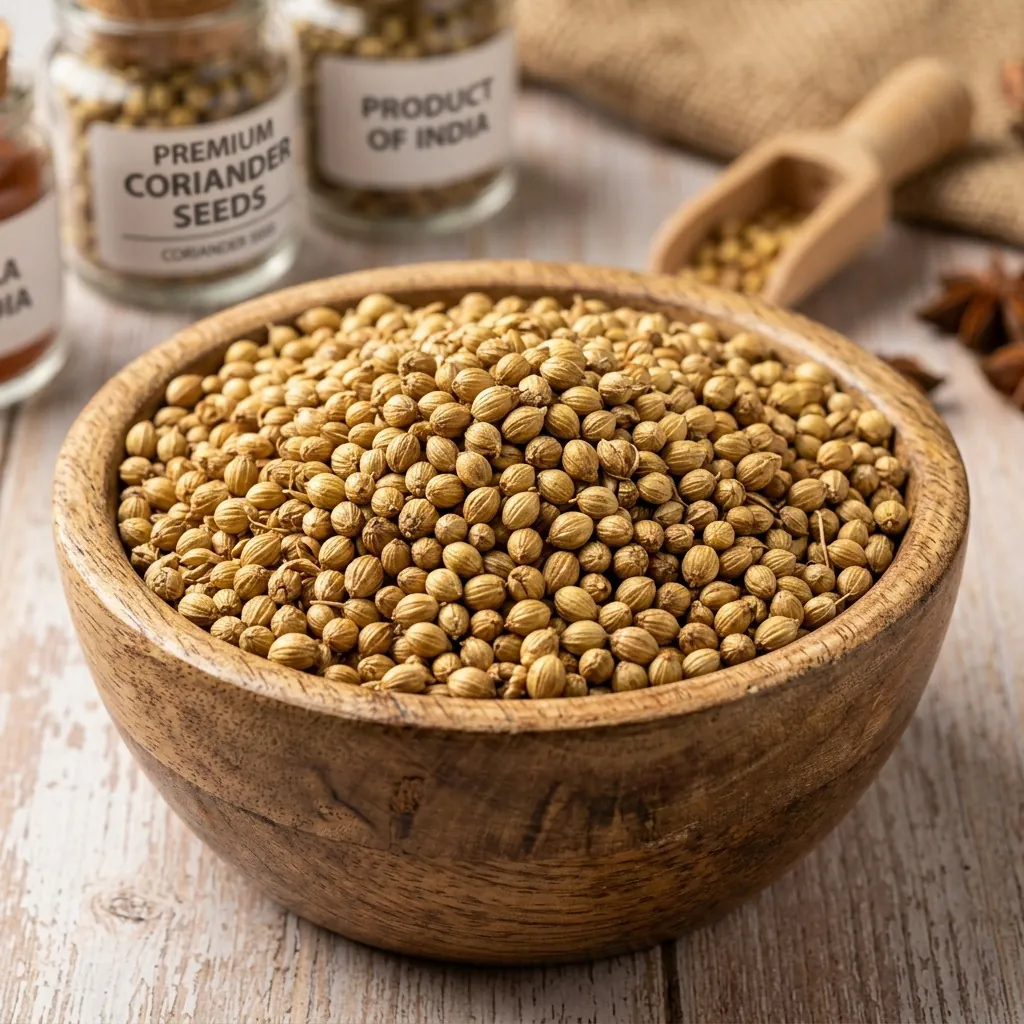
Indian coriander seed comes mainly from Rajasthan, Madhya Pradesh and Gujarat. In the trade it is sold under grade names that describe its colour and how well it has been cleaned.

Colour grades

  • Eagle: the greenish, brightest seed with the best appearance. Preferred for whole-seed retail packs.
  • Scooter: slightly less green, good quality; widely used by grinders and blenders.
  • Parrot (single and double): the top-cleaned versions with greener colour, often machine-sorted.
  • Badami: brownish seed, cheaper, used for grinding where colour matters less.

Splits

Coriander seed can also be split (dal). Splits are used in mukhwas and some snack recipes, and grind more evenly.

What to specify

Besides the grade, ask for moisture, purity (foreign matter), volatile oil (aroma), split percentage and pesticide test results for your market. For powder, add mesh size and colour.

Season

The new crop arrives around March and April. Prices and colour are usually best soon after harvest, so many buyers plan their larger orders for the second quarter.

More guides

How to Import Spices from India: A Complete Guide for International Buyers8 min readTop Spices Exported From India: Demand, Quality Grades, and Sourcing Seasonality6 min readCumin Seed Grades Explained: Singapore, Europe and Sortex5 min read1121 vs 1509 vs 1718 Basmati: Which Variety Should You Import?6 min readA Checklist for Your First Mixed Container from India6 min readBuying Indian Turmeric: Curcumin, Lead Testing and Origins6 min readByadgi, Teja, Guntur, Kashmiri: A Guide to Indian Dried Chillies6 min readSteam-Sterilised Spices: What It Is and When You Need It5 min readExport Documents You Should Receive with Food from India6 min readFOB, CFR or CIF? Choosing Price Terms When You Buy from India5 min readStarting a Private-Label Spice Range Sourced from India6 min readDehydrated Onion from India: Flakes, Kibbled, Minced, Granules and Powder5 min readPsyllium Husk Purity Grades: 85% to 99% Explained5 min readHulled vs Natural Sesame Seeds: Which One Do You Need?5 min readNon-Basmati Rice from India: Sona Masoori, Ponni, IR64 and More6 min readIndian Pulses for Importers: Chickpeas, Toor, Moong, Urad and Masoor6 min readGreen Cardamom Buying Guide: Sizes, Colour and Grades5 min readBlack Pepper Grades: Bulk Density, Garbled and Ungarbled5 min readStocking an Indian Grocery Store: Importing FMCG Brands from India6 min readPesticide Residues and EU MRLs: What Spice Importers Need to Know6 min readThe Indian Spice Harvest Calendar: When to Buy What5 min readImporting Jaggery from India: Blocks, Cubes, Powder and Liquid5 min readIndian Coffee for Roasters: Arabica, Robusta and Monsooned Malabar5 min readSourcing Ayurvedic Herbs from India: Identity, Purity and Paperwork6 min readHow Much Fits in a 20 ft or 40 ft Container? A Guide for Food Buyers5 min readHow to Evaluate a Spice Sample Before You Order5 min readDesiccated Coconut Grades: Fine, Medium and High Fat4 min read