Sourcing Ayurvedic Herbs from India: Identity, Purity and Paperwork
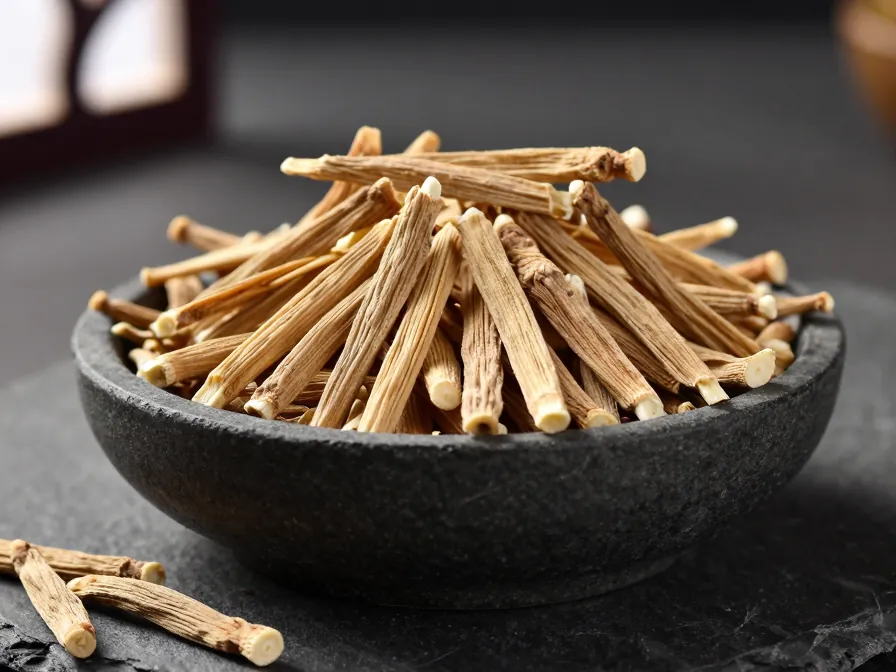
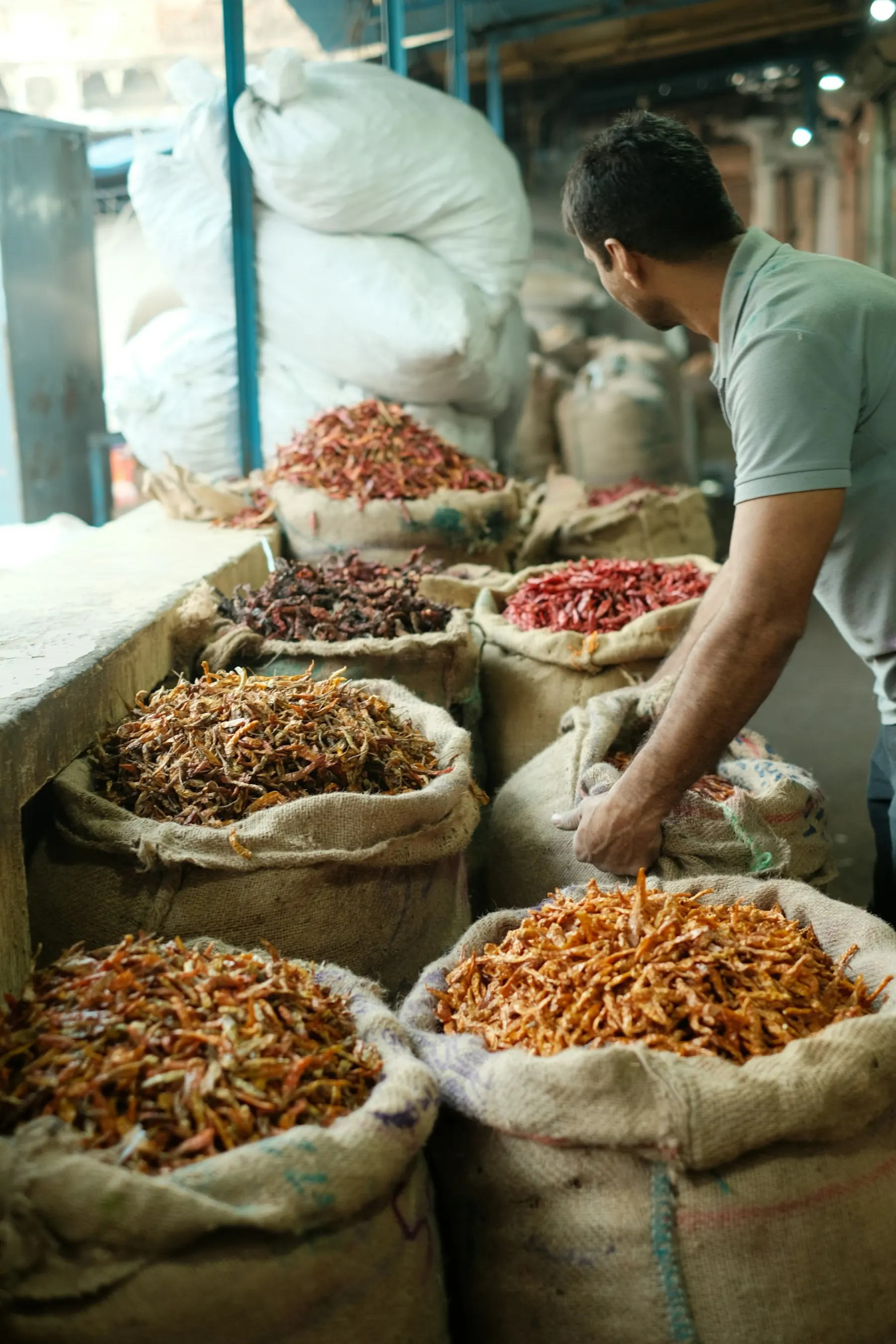
India supplies a wide range of herbs used in Ayurvedic, herbal and supplement products, from ashwagandha and shatavari roots to tulsi leaves, triphala fruits and guggul resin. Because herbs are often sold dried and cut, checking their identity and quality is the buyer's first job.
Identity
Ask for the botanical name and the plant part (root, bark, leaf, fruit, seed). Some herbs have look-alikes or are sold under the same local name. Buyers often run macroscopic and microscopic identification, and sometimes HPTLC fingerprinting, against a reference.
Quality and safety
- Foreign matter, moisture and ash: basic quality checks, often to pharmacopoeia standards.
- Marker compounds: for example withanolides in ashwagandha, if your product is standardised.
- Heavy metals, pesticide residues and microbiology: required by most supplement markets.
Forms
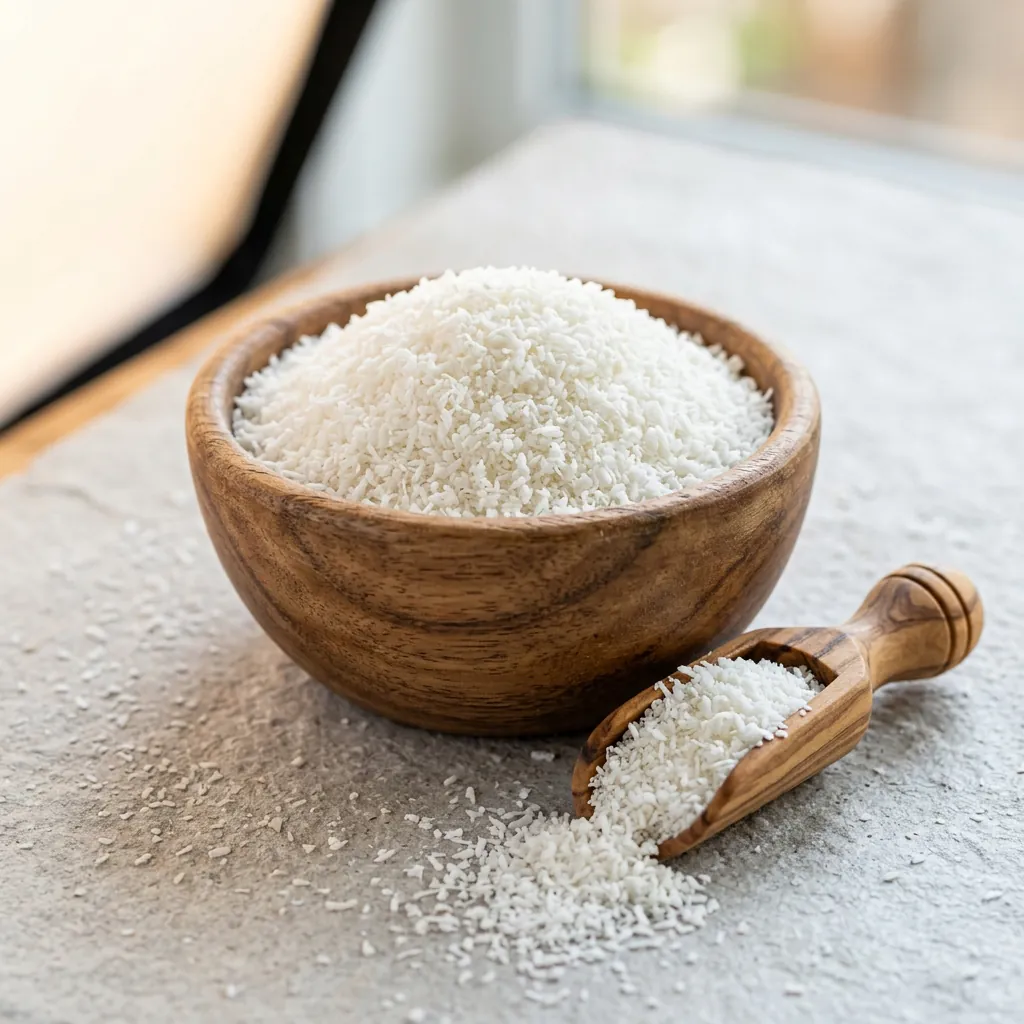
Herbs are supplied whole, cut (tea-bag cut or TBC), powdered and as extracts. Powders should have a stated mesh size and are best bought in fresher, smaller lots.
Protected species
Some Indian plants are protected, and their wild-collected forms cannot be exported, or need special permits. Examples include certain species listed under CITES or India's export restrictions. A responsible exporter will tell you which items need extra paperwork or must come from cultivated sources.