Indian Pulses for Importers: Chickpeas, Toor, Moong, Urad and Masoor
Pulses and dals are a staple of every Indian grocery shelf abroad. They come whole or split, with or without skin, polished or unpolished, and buyers need to be precise about each.
Chickpeas
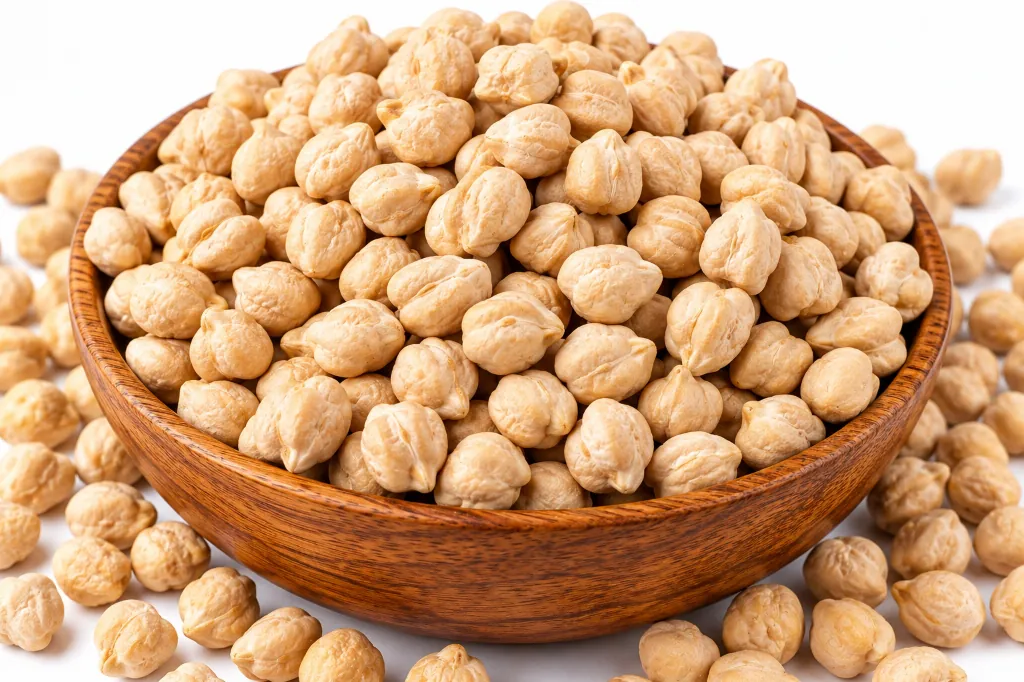
Kabuli chana (white chickpeas) is sold by count, the number of seeds per ounce, or by size in millimetres, such as 8, 9, 10, 11 and 12 mm. Larger sizes cost more and are used in canning and hummus. Desi chana (brown chickpeas) is used whole and split as chana dal and is milled into besan.
Lentils and dals
- Toor (arhar) dal: split pigeon pea; the base of sambar and everyday dal. Sold plain or oily.
- Moong: whole green, split with skin (chilka) and yellow split dal.
- Urad: whole black, split with skin and white split dal, the key ingredient of idli and dosa batter.
- Masoor: whole brown lentils and red split lentils.
Polished or unpolished
Polishing gives a shinier look; some markets prefer unpolished dals as a natural product. If you want oil or water polishing, say so, and ask what is used.
Specifications
Agree moisture, foreign matter, damaged and weevilled grains, size or count, and pesticide test results. For whole pulses, a phytosanitary certificate is normally needed, and some countries require fumigation records.