Sunita Agri ExportsGovt. Recognised Star Export House
Get a Quote
ChilliSpices

Byadgi, Teja, Guntur, Kashmiri: A Guide to Indian Dried Chillies
9 October 2026 · 6 min read · Sunita Agri Exports Export Team

Byadgi, Teja, Guntur, Kashmiri: A Guide to Indian Dried Chillies

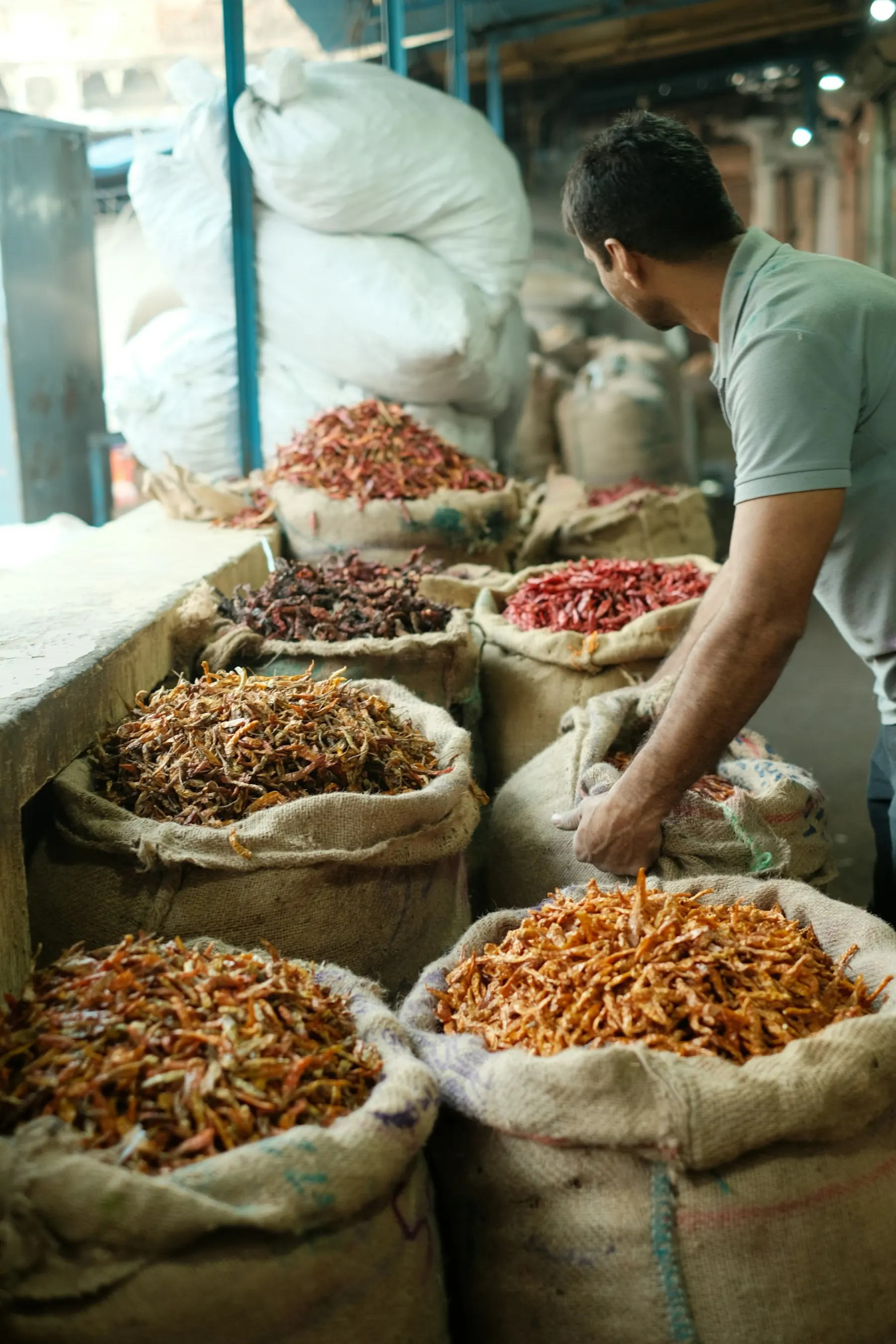
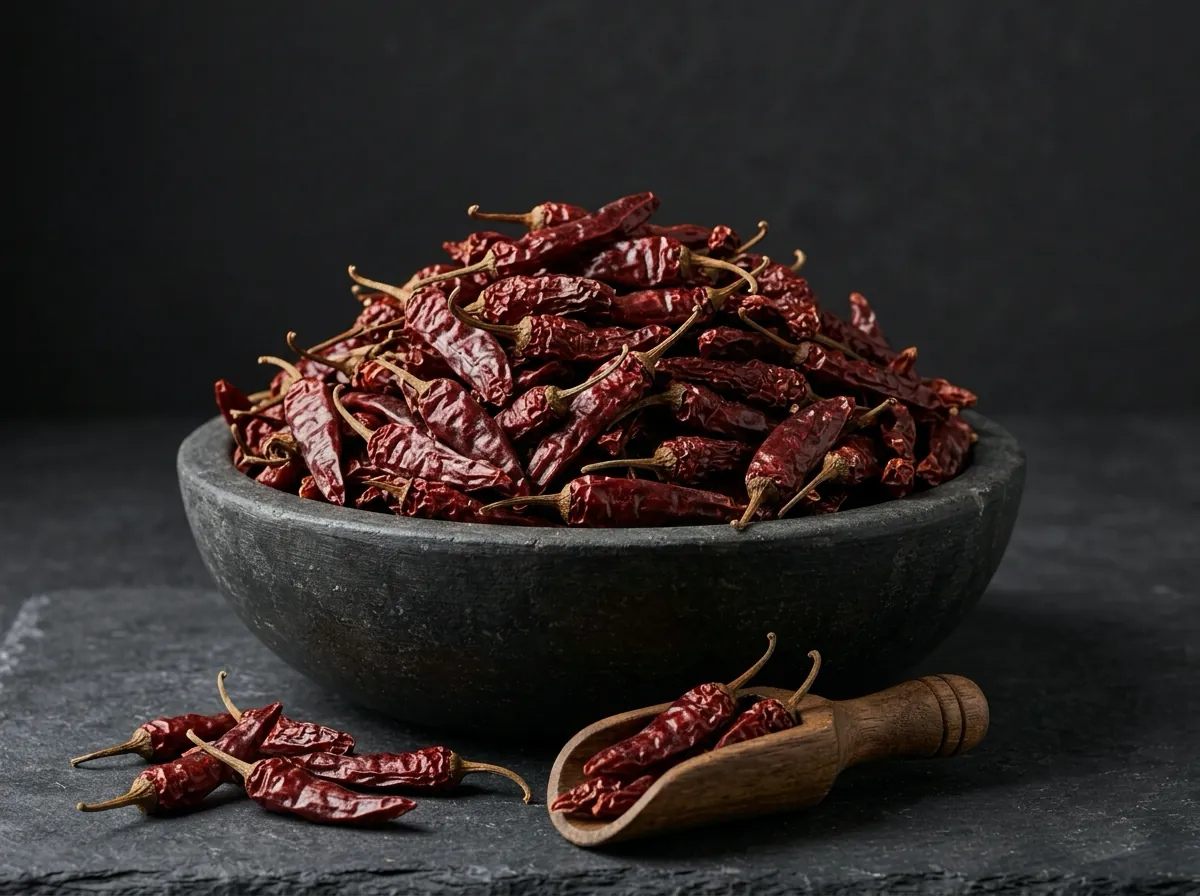
India is the largest exporter of dried red chillies, and the varieties differ a lot. Some are bought for heat, some for colour, and some for a balance of both.

The main varieties

  • Guntur Sannam (S4 / 334): the volume chilli from Andhra Pradesh, with medium-high heat and good red colour. Used for chilli powder, sauces and general cooking.
  • Teja (S17): small and very hot. Bought for pungency, hot sauces and capsaicin extraction.
  • Byadgi: from Karnataka; wrinkled skin, deep red colour, low heat. Prized for colour and for paprika oleoresin.
  • Kashmiri: bright red with mild heat; used for tandoori dishes and colour in curries.
  • Resham Patti and Wonder Hot: from Gujarat and Karnataka respectively, bought for their mix of colour and heat.

How chillies are specified

Colour is measured in ASTA units: the higher the number, the deeper the red. Heat is measured in Scoville heat units (SHU) or as capsaicin content. Buyers also state whether they want the stem on or off (stemless chillies cost more but save labour), the share of broken pods allowed, moisture, and aflatoxin limits.

Blending for powder

Many powder makers blend a high-colour chilli such as Byadgi with a hotter chilli such as Teja to reach a target colour and heat. If you sell powder, specify the final ASTA and SHU you need and let the exporter propose a blend.

Food safety

Chillies are prone to aflatoxin if dried or stored badly. Ask for test results on every lot, and for steam sterilisation if your market has strict microbiological limits.

More guides

How to Import Spices from India: A Complete Guide for International Buyers8 min readTop Spices Exported From India: Demand, Quality Grades, and Sourcing Seasonality6 min readCumin Seed Grades Explained: Singapore, Europe and Sortex5 min read1121 vs 1509 vs 1718 Basmati: Which Variety Should You Import?6 min readA Checklist for Your First Mixed Container from India6 min readBuying Indian Turmeric: Curcumin, Lead Testing and Origins6 min readSteam-Sterilised Spices: What It Is and When You Need It5 min readExport Documents You Should Receive with Food from India6 min readFOB, CFR or CIF? Choosing Price Terms When You Buy from India5 min readStarting a Private-Label Spice Range Sourced from India6 min readDehydrated Onion from India: Flakes, Kibbled, Minced, Granules and Powder5 min readPsyllium Husk Purity Grades: 85% to 99% Explained5 min readCoriander Seed Grades: Eagle, Scooter and Parrot4 min readHulled vs Natural Sesame Seeds: Which One Do You Need?5 min readNon-Basmati Rice from India: Sona Masoori, Ponni, IR64 and More6 min readIndian Pulses for Importers: Chickpeas, Toor, Moong, Urad and Masoor6 min readGreen Cardamom Buying Guide: Sizes, Colour and Grades5 min readBlack Pepper Grades: Bulk Density, Garbled and Ungarbled5 min readStocking an Indian Grocery Store: Importing FMCG Brands from India6 min readPesticide Residues and EU MRLs: What Spice Importers Need to Know6 min readThe Indian Spice Harvest Calendar: When to Buy What5 min readImporting Jaggery from India: Blocks, Cubes, Powder and Liquid5 min readIndian Coffee for Roasters: Arabica, Robusta and Monsooned Malabar5 min readSourcing Ayurvedic Herbs from India: Identity, Purity and Paperwork6 min readHow Much Fits in a 20 ft or 40 ft Container? A Guide for Food Buyers5 min readHow to Evaluate a Spice Sample Before You Order5 min readDesiccated Coconut Grades: Fine, Medium and High Fat4 min read