Sunita Agri ExportsGovt. Recognised Star Export House
Get a Quote
FMCGRetail

Stocking an Indian Grocery Store: Importing FMCG Brands from India
10 July 2026 · 6 min read · Sunita Agri Exports Export Team

Stocking an Indian Grocery Store: Importing FMCG Brands from India

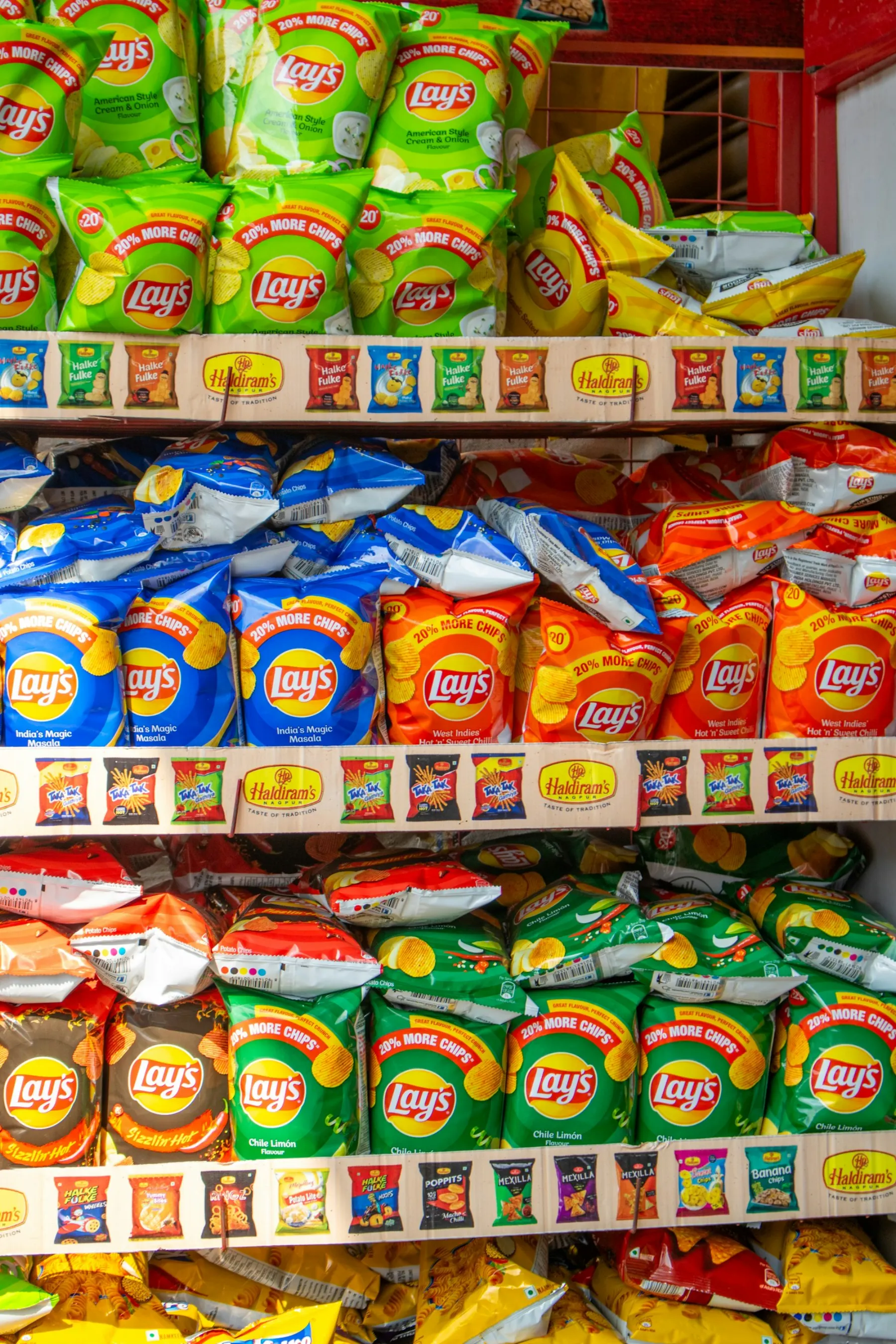
Indian grocery stores abroad carry thousands of packaged products: atta, rice, dals, masalas, snacks, sweets, pickles, tea, ready-to-eat meals and household goods. Most of them are bought from India in mixed containers that combine many brands.

Build your list from what sells

Start with staples that sell every week, such as atta, rice, dals, oil, tea and the main masalas. Then add snacks, sweets and seasonal items such as festival products. Order in cartons, and check the units per carton for each pack.

Labels

Packs made for the Indian market may need an extra sticker in your country with ingredients, allergens, nutrition information and the importer's details. Some brands make export versions with labels already compliant for the USA, UK, EU or Gulf. Ask which version you will receive.

Shelf life

Snacks and some sweets have short shelf lives of 3–6 months. After shipping and customs, you may have only half of that left to sell. Order short-life products in smaller quantities and more often, and ask for recent production dates.

Restricted items

Some products, such as items containing meat, certain dairy products or some ayurvedic medicines, need special permits or cannot be imported into some countries. Check before you add them to your list.

Pricing

Compare the landed cost per unit, including freight, duty and clearance, with the retail price in your market. Distributors usually aim for enough margin to cover damages, slow sellers and expired stock.

You can browse and order from our FMCG product list online.

More guides

How to Import Spices from India: A Complete Guide for International Buyers8 min readTop Spices Exported From India: Demand, Quality Grades, and Sourcing Seasonality6 min readCumin Seed Grades Explained: Singapore, Europe and Sortex5 min read1121 vs 1509 vs 1718 Basmati: Which Variety Should You Import?6 min readA Checklist for Your First Mixed Container from India6 min readBuying Indian Turmeric: Curcumin, Lead Testing and Origins6 min readByadgi, Teja, Guntur, Kashmiri: A Guide to Indian Dried Chillies6 min readSteam-Sterilised Spices: What It Is and When You Need It5 min readExport Documents You Should Receive with Food from India6 min readFOB, CFR or CIF? Choosing Price Terms When You Buy from India5 min readStarting a Private-Label Spice Range Sourced from India6 min readDehydrated Onion from India: Flakes, Kibbled, Minced, Granules and Powder5 min readPsyllium Husk Purity Grades: 85% to 99% Explained5 min readCoriander Seed Grades: Eagle, Scooter and Parrot4 min readHulled vs Natural Sesame Seeds: Which One Do You Need?5 min readNon-Basmati Rice from India: Sona Masoori, Ponni, IR64 and More6 min readIndian Pulses for Importers: Chickpeas, Toor, Moong, Urad and Masoor6 min readGreen Cardamom Buying Guide: Sizes, Colour and Grades5 min readBlack Pepper Grades: Bulk Density, Garbled and Ungarbled5 min readPesticide Residues and EU MRLs: What Spice Importers Need to Know6 min readThe Indian Spice Harvest Calendar: When to Buy What5 min readImporting Jaggery from India: Blocks, Cubes, Powder and Liquid5 min readIndian Coffee for Roasters: Arabica, Robusta and Monsooned Malabar5 min readSourcing Ayurvedic Herbs from India: Identity, Purity and Paperwork6 min readHow Much Fits in a 20 ft or 40 ft Container? A Guide for Food Buyers5 min readHow to Evaluate a Spice Sample Before You Order5 min readDesiccated Coconut Grades: Fine, Medium and High Fat4 min read