Dehydrated Onion from India: Flakes, Kibbled, Minced, Granules and Powder
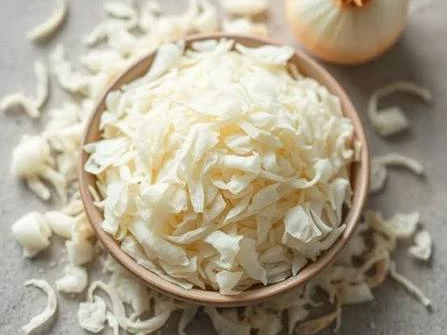
Most of India's dehydrated onion comes from the Mahuva area of Gujarat, where white onions are grown for drying. The same onion is cut and milled into several standard sizes, each suited to different foods.
The standard cuts
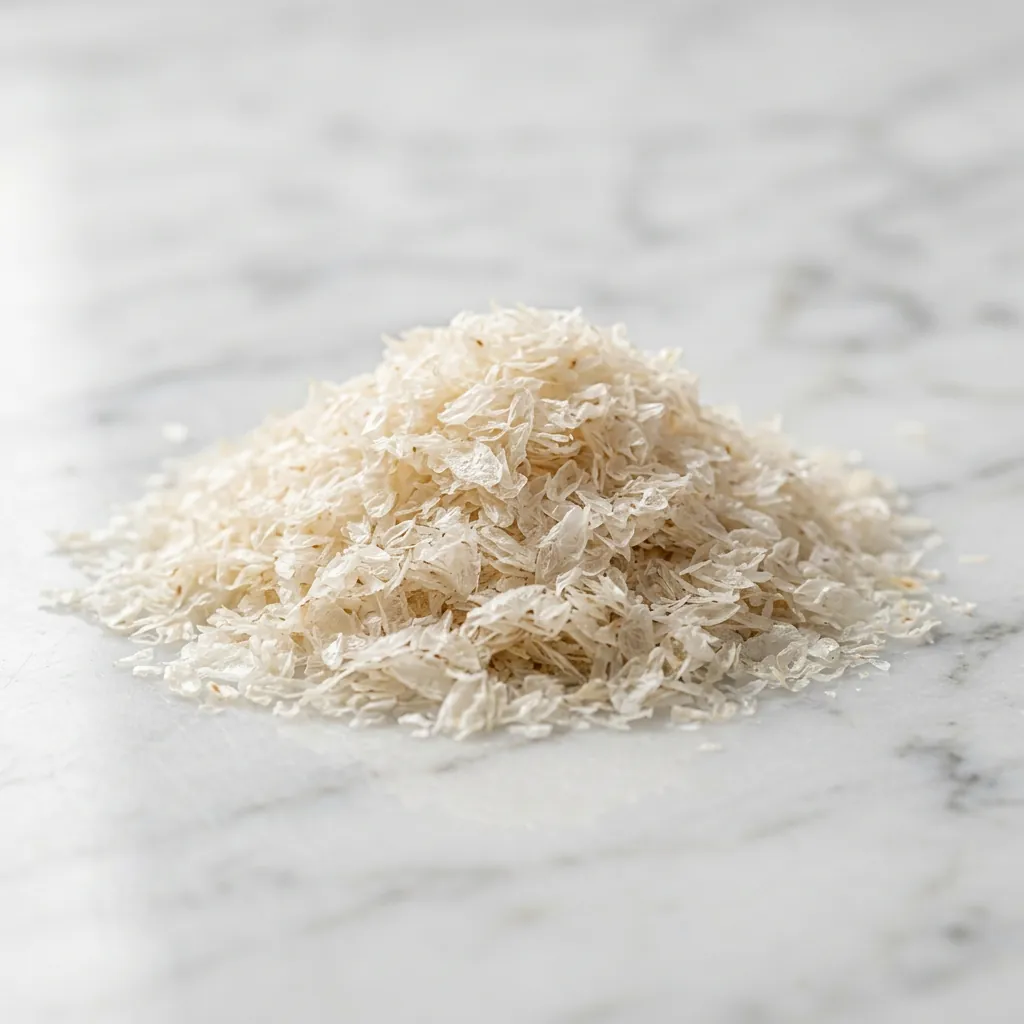
- Flakes (kibbled large): pieces of about 8–20 mm. Used in soups, sauces and noodles, where visible onion pieces are wanted.
- Chopped and minced: roughly 3–5 mm and 1–3 mm. Used in seasonings, ready meals and toppings.
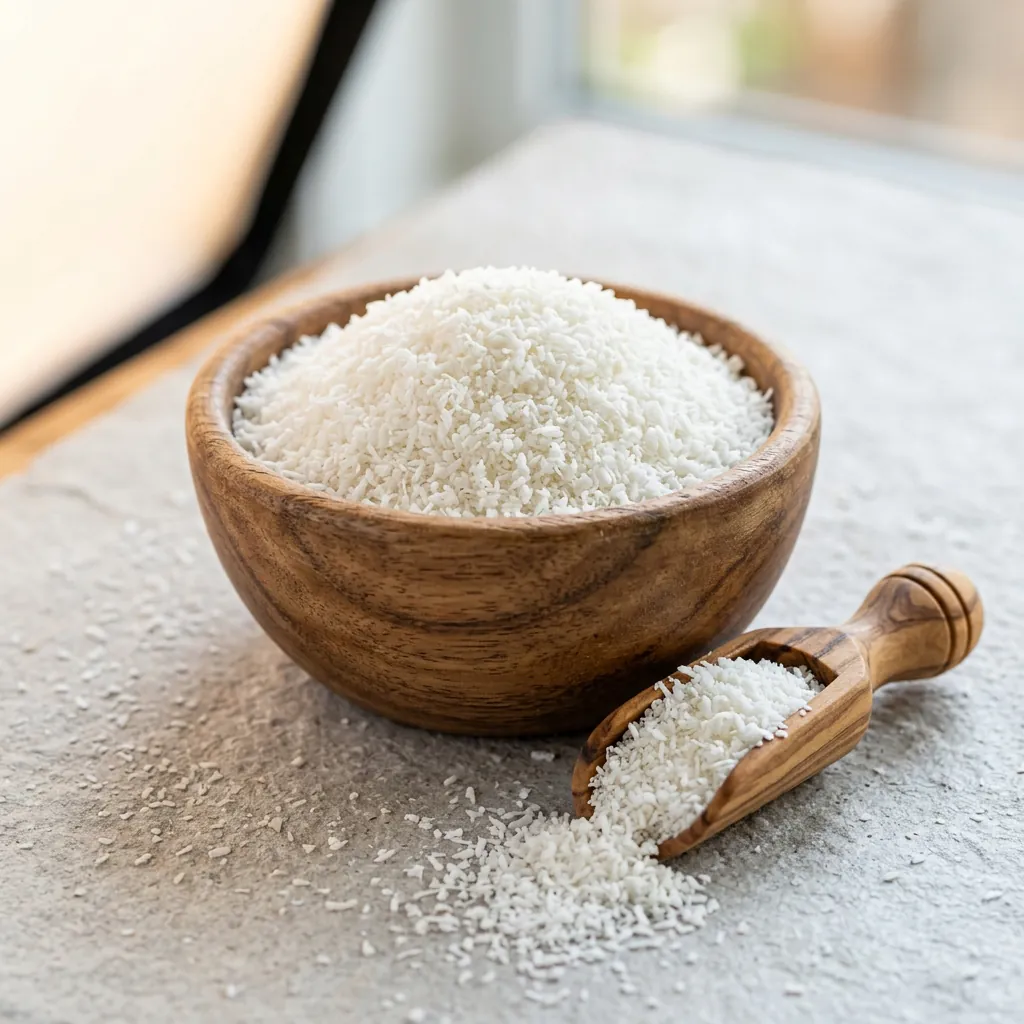
- Granules: about 0.2–1 mm. Flow freely in seasoning blends and rubs.
- Powder: fine, usually 80–100 mesh. Dissolves into snack seasonings, gravies and dressings.
- Toasted or fried onion: for colour and roasted flavour.
Quality points
Buyers usually specify moisture (often max 6%), colour (white to creamy), absence of dark specks and skins, particle size range, and microbiology. Good producers use optical sorters and metal detectors and can steam-treat for low microbial counts.
Storage
Dehydrated onion picks up moisture from the air and can cake. It is usually packed in double polythene liners inside cartons, and should be stored cool and dry. Shelf life is typically 12–24 months in good conditions.
Ordering tip
Because the onion crop is seasonal, prices can move during the year. Buyers who use dehydrated onion all year often agree quarterly or half-yearly contracts.