Sunita Agri ExportsGovt. Recognised Star Export House
Get a Quote
CardamomQuality Grades

Green Cardamom Buying Guide: Sizes, Colour and Grades
24 July 2026 · 5 min read · Sunita Agri Exports Export Team

Green Cardamom Buying Guide: Sizes, Colour and Grades

Indian green cardamom, mostly from the Idukki hills of Kerala and parts of Tamil Nadu and Karnataka, is one of the most valuable spices by weight. It is priced mainly by size and colour.

Size grades

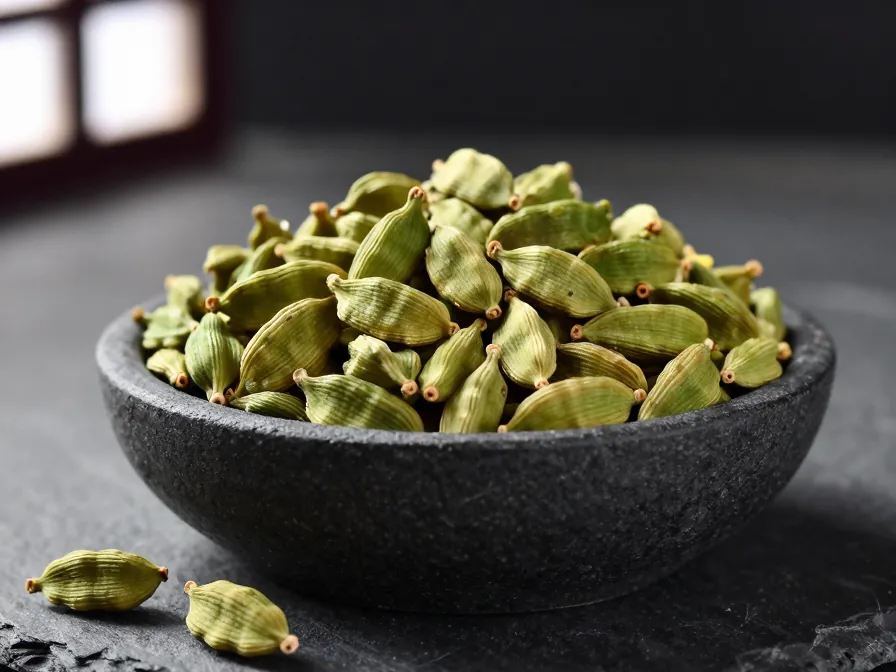
Pods are sorted by diameter: 8 mm and above (often called extra bold), 7–8 mm (bold), 6–7 mm and smaller. Bigger pods cost more and are preferred in the Gulf for coffee and gifting. Smaller sizes and splits are used for grinding and in food manufacturing.

Colour

A deep, even green shows careful drying and freshness. Pale or yellow pods may be old or over-dried. Be careful with any lot whose colour looks unnaturally bright; ask for a test showing no added colour.

Other points

  • Litre weight: the weight of one litre of pods; heavier means fuller, better-developed pods.
  • Moisture and the share of open, split or empty pods.
  • Pesticide residues: important for the EU, where limits are strict.

Seeds and powder

Cardamom seeds (decorticated) and powder are sold to food makers and spice packers. Powder loses aroma faster than whole pods, so buy it in smaller, fresher lots.

Prices

Cardamom prices move with weather in the growing hills and with auction results. Agree a price validity period with your exporter and confirm quickly when the price suits you.

More guides

How to Import Spices from India: A Complete Guide for International Buyers8 min readTop Spices Exported From India: Demand, Quality Grades, and Sourcing Seasonality6 min readCumin Seed Grades Explained: Singapore, Europe and Sortex5 min read1121 vs 1509 vs 1718 Basmati: Which Variety Should You Import?6 min readA Checklist for Your First Mixed Container from India6 min readBuying Indian Turmeric: Curcumin, Lead Testing and Origins6 min readByadgi, Teja, Guntur, Kashmiri: A Guide to Indian Dried Chillies6 min readSteam-Sterilised Spices: What It Is and When You Need It5 min readExport Documents You Should Receive with Food from India6 min readFOB, CFR or CIF? Choosing Price Terms When You Buy from India5 min readStarting a Private-Label Spice Range Sourced from India6 min readDehydrated Onion from India: Flakes, Kibbled, Minced, Granules and Powder5 min readPsyllium Husk Purity Grades: 85% to 99% Explained5 min readCoriander Seed Grades: Eagle, Scooter and Parrot4 min readHulled vs Natural Sesame Seeds: Which One Do You Need?5 min readNon-Basmati Rice from India: Sona Masoori, Ponni, IR64 and More6 min readIndian Pulses for Importers: Chickpeas, Toor, Moong, Urad and Masoor6 min readBlack Pepper Grades: Bulk Density, Garbled and Ungarbled5 min readStocking an Indian Grocery Store: Importing FMCG Brands from India6 min readPesticide Residues and EU MRLs: What Spice Importers Need to Know6 min readThe Indian Spice Harvest Calendar: When to Buy What5 min readImporting Jaggery from India: Blocks, Cubes, Powder and Liquid5 min readIndian Coffee for Roasters: Arabica, Robusta and Monsooned Malabar5 min readSourcing Ayurvedic Herbs from India: Identity, Purity and Paperwork6 min readHow Much Fits in a 20 ft or 40 ft Container? A Guide for Food Buyers5 min readHow to Evaluate a Spice Sample Before You Order5 min readDesiccated Coconut Grades: Fine, Medium and High Fat4 min read