Buying Indian Turmeric: Curcumin, Lead Testing and Origins
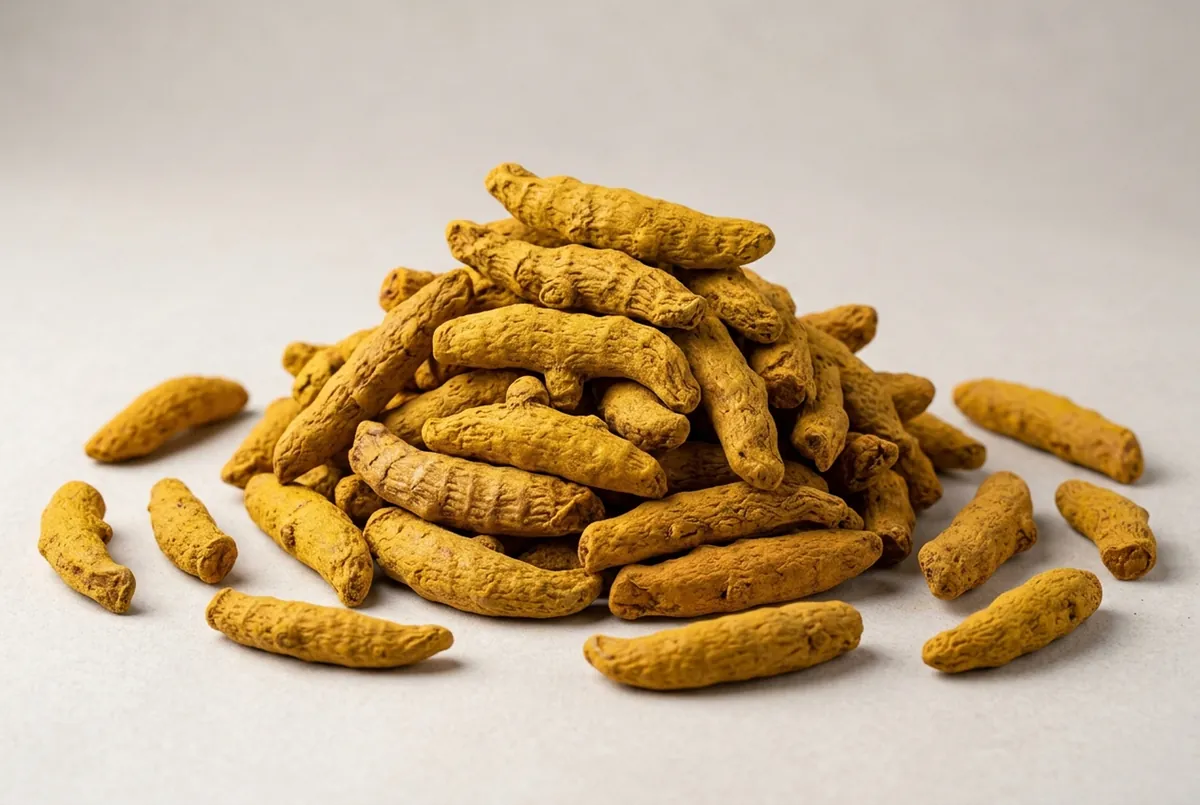
India grows most of the world's turmeric, and quality varies more by origin and processing than many buyers expect. The two numbers that matter most are curcumin content and safety test results.
Origins and curcumin
Curcumin, the compound that gives turmeric its colour, commonly ranges from about 2% to 5% depending on variety and region. Erode and Salem turmeric from Tamil Nadu, Rajapuri from Maharashtra, Nizamabad from Telangana and Lakadong from Meghalaya each have their own colour and curcumin profile. Buyers who sell on colour, or who extract curcumin, should state a minimum curcumin percentage and the test method (usually spectrophotometric or HPLC).
Fingers, bulbs and powder
- Fingers: the main side shoots, boiled, dried and polished. Preferred for grinding and for whole sale.
- Bulbs: the central rhizome; usually cheaper and also ground.
- Powder: ground to a set mesh size. Ask for colour value, curcumin and moisture, and a sealed sample.
Safety tests to request
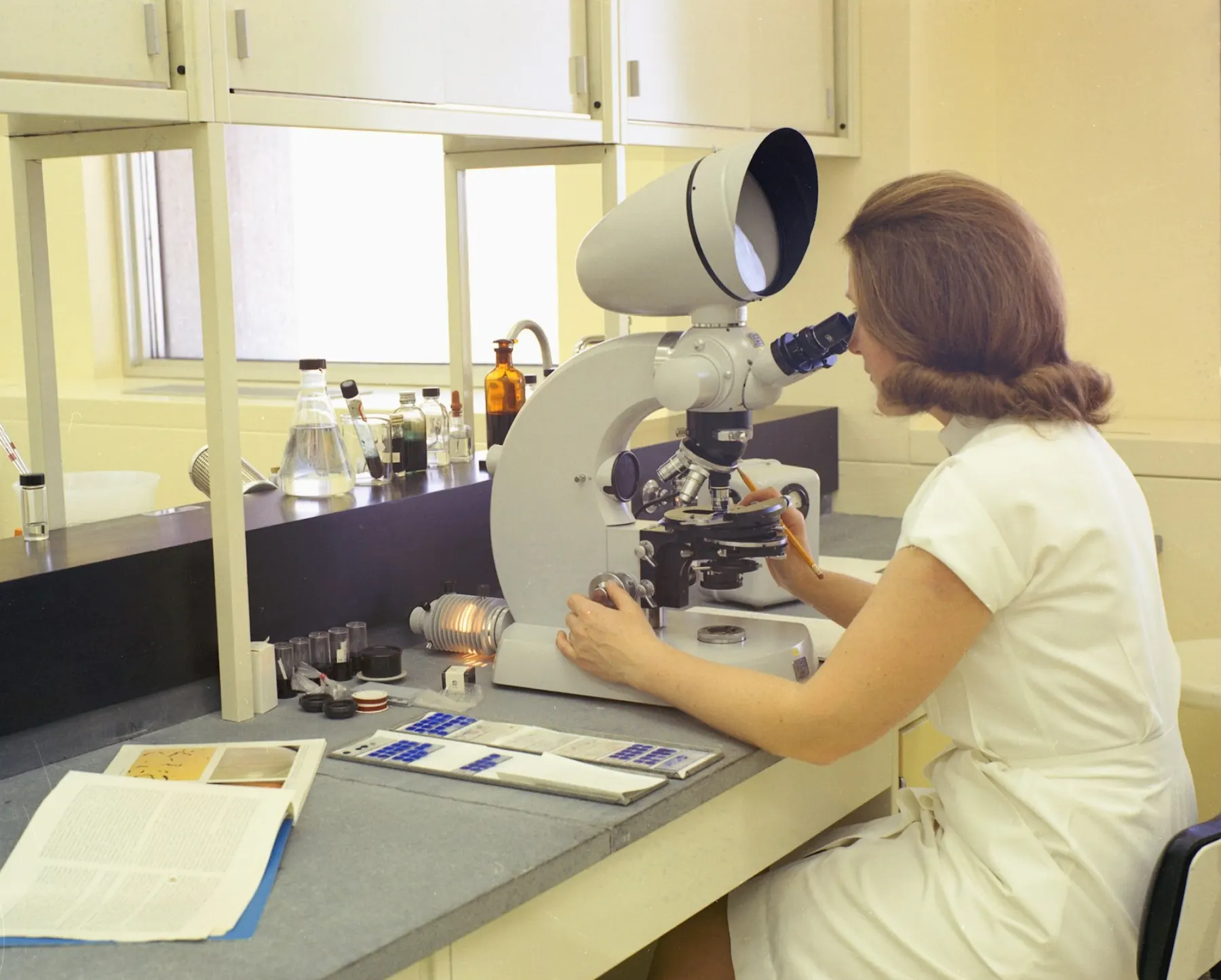
Ask for a certificate of analysis covering moisture, total ash, acid-insoluble ash, curcumin, microbiology (Salmonella absent), aflatoxins and pesticide residues against your market's limits. Because some markets have found lead chromate added to fake colour, many buyers now also ask for a heavy-metals test including lead. A reliable exporter will test every lot and share the reports.
Polished or unpolished
Polishing removes the outer skin and gives a smoother, brighter finger. It should be done mechanically, with nothing added. If you want natural, unpolished turmeric for organic or clean-label lines, say so on the order.