A Checklist for Your First Mixed Container from India
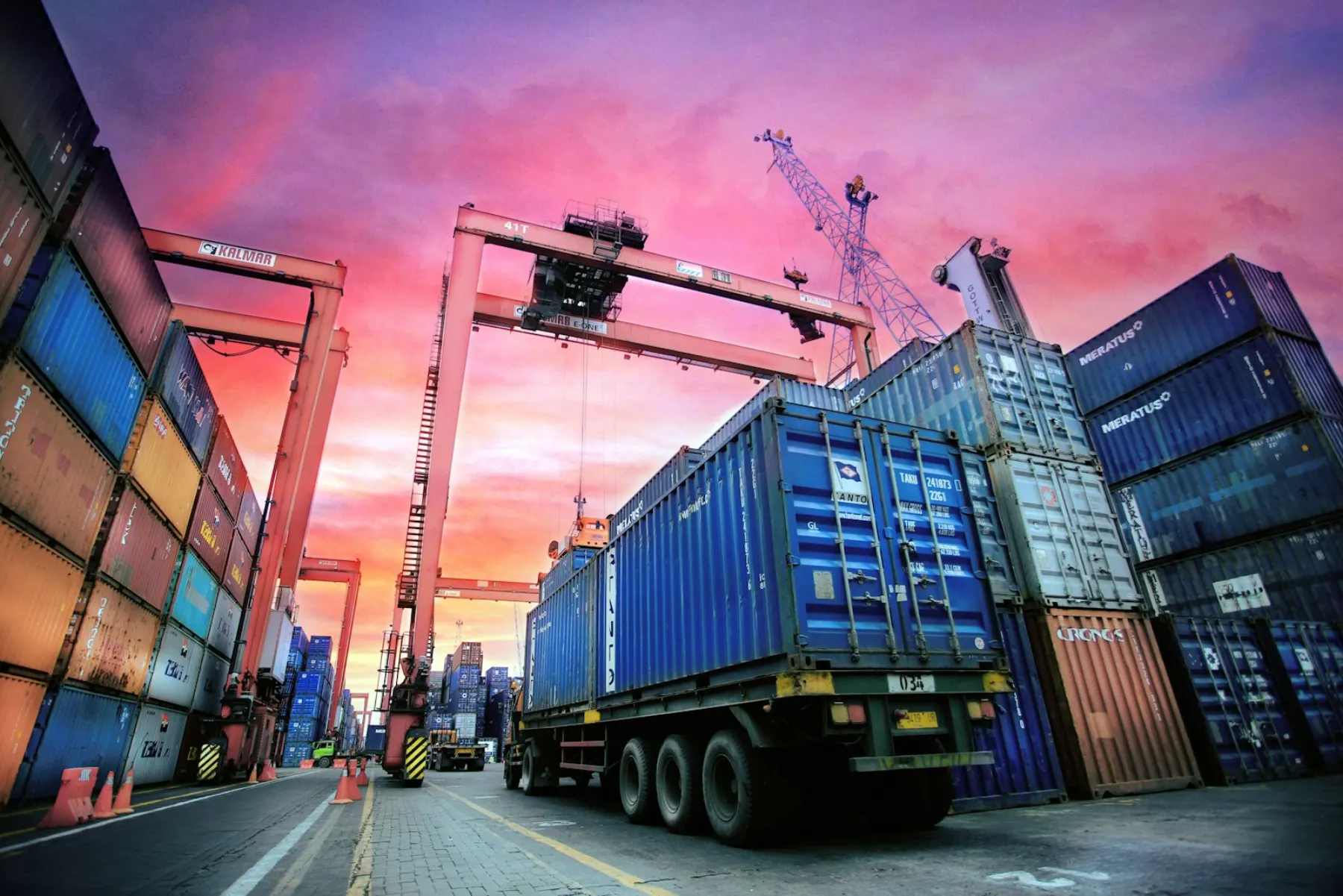
A mixed container lets a distributor or store buy many products in one shipment instead of one full container of each. It is the easiest way to start importing from India, but it needs a little more planning than a single-product load.
1. Build the list in cartons and bags, not tonnes
Write each product with its pack size and number of cartons or bags. This lets the exporter check volume (cubic metres) and weight, which together decide whether everything fits.
2. Check volume and weight together
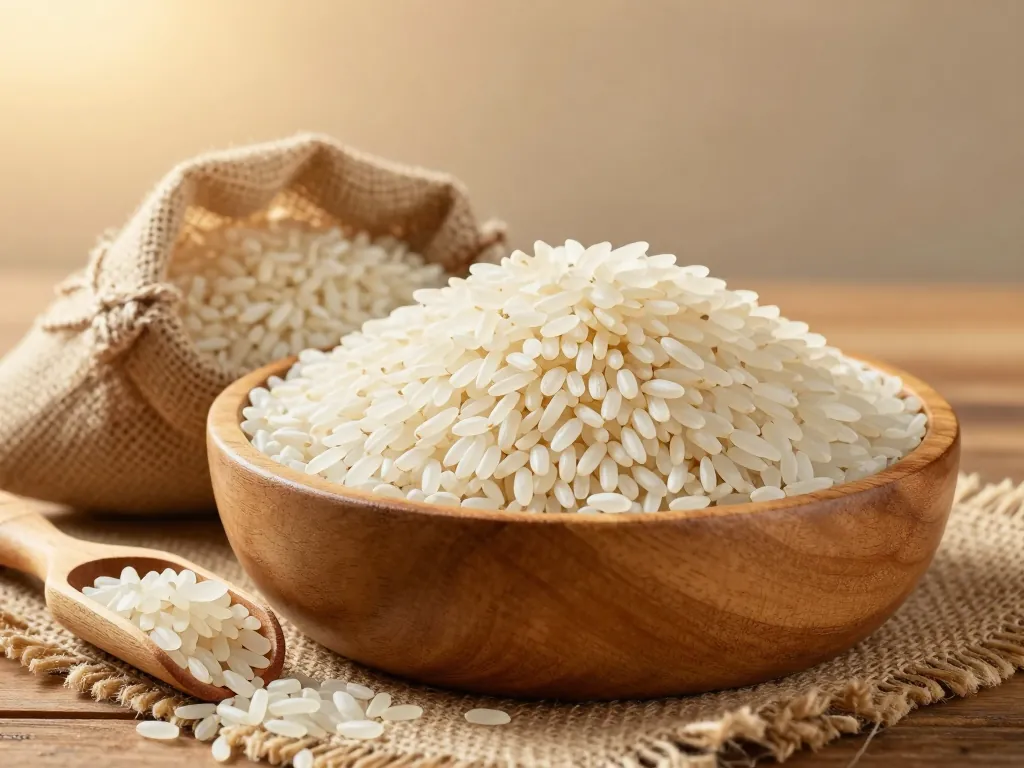
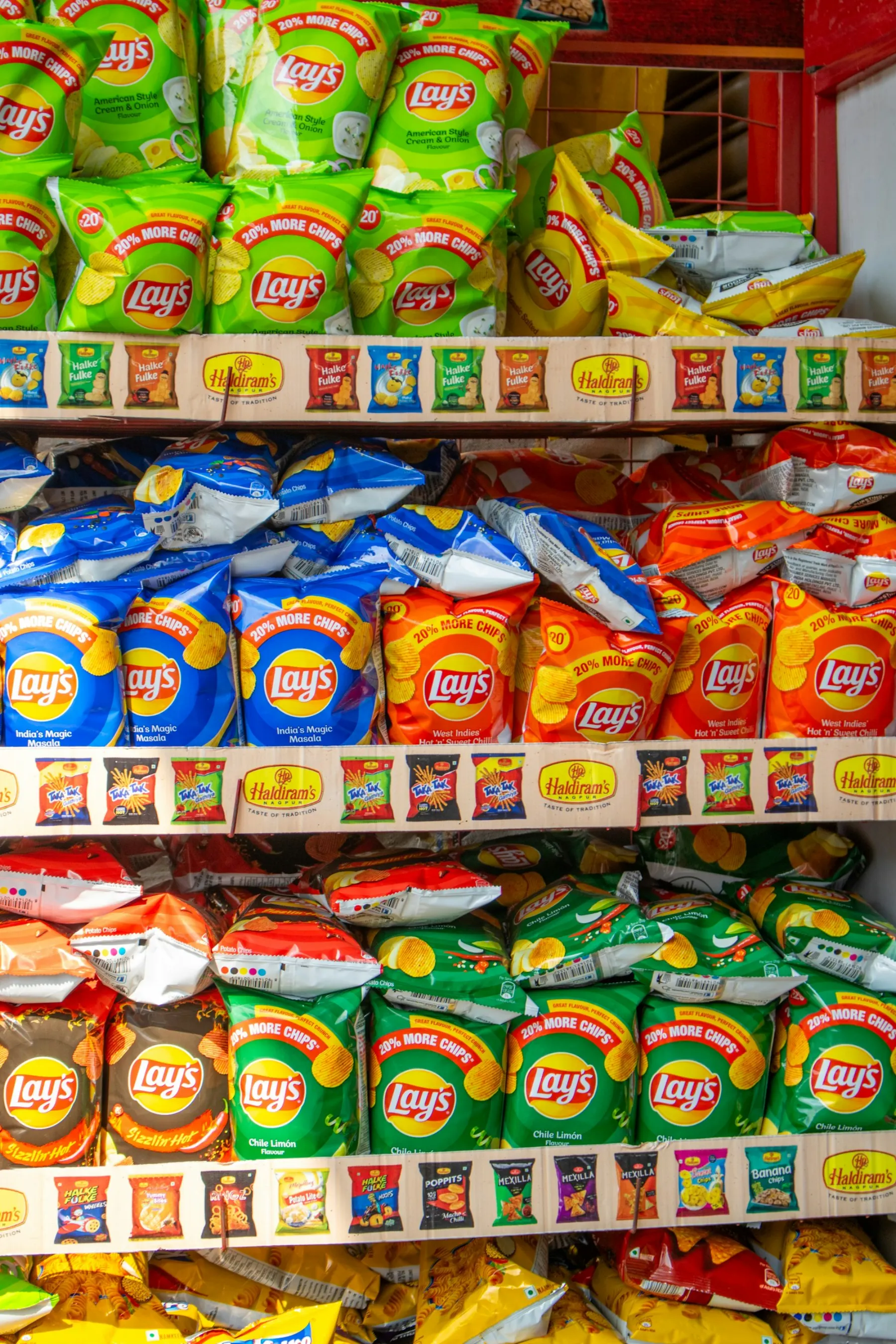
A 20 ft container has about 33 m³ of space and a 40 ft about 67 m³, but road and shipping-line weight limits often stop you before the space runs out. Heavy goods such as rice and pulses fill the weight limit quickly; light goods such as snacks fill the space first. Mixing heavy and light products is how you get the most out of a container.
3. Keep strong smells apart
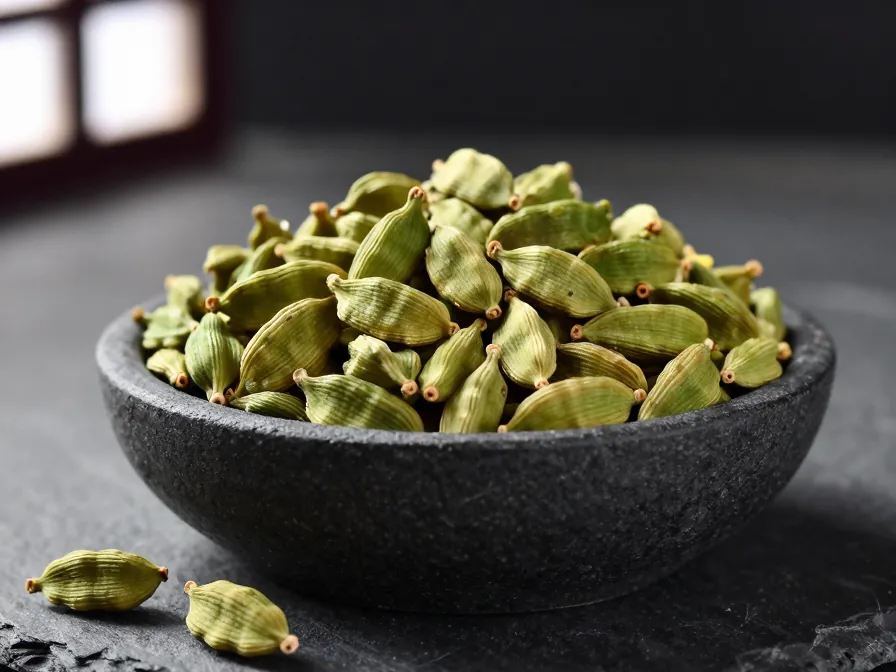
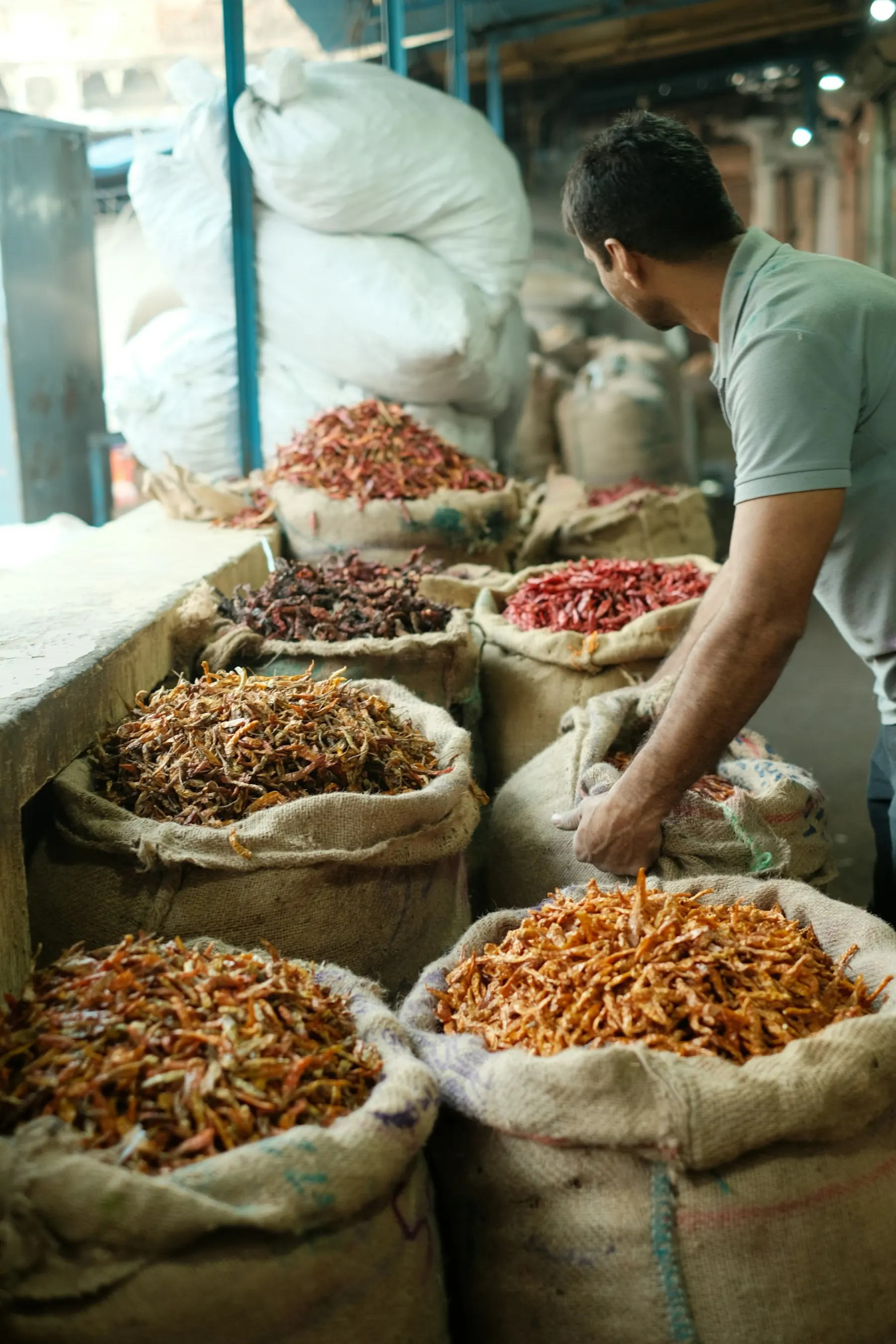
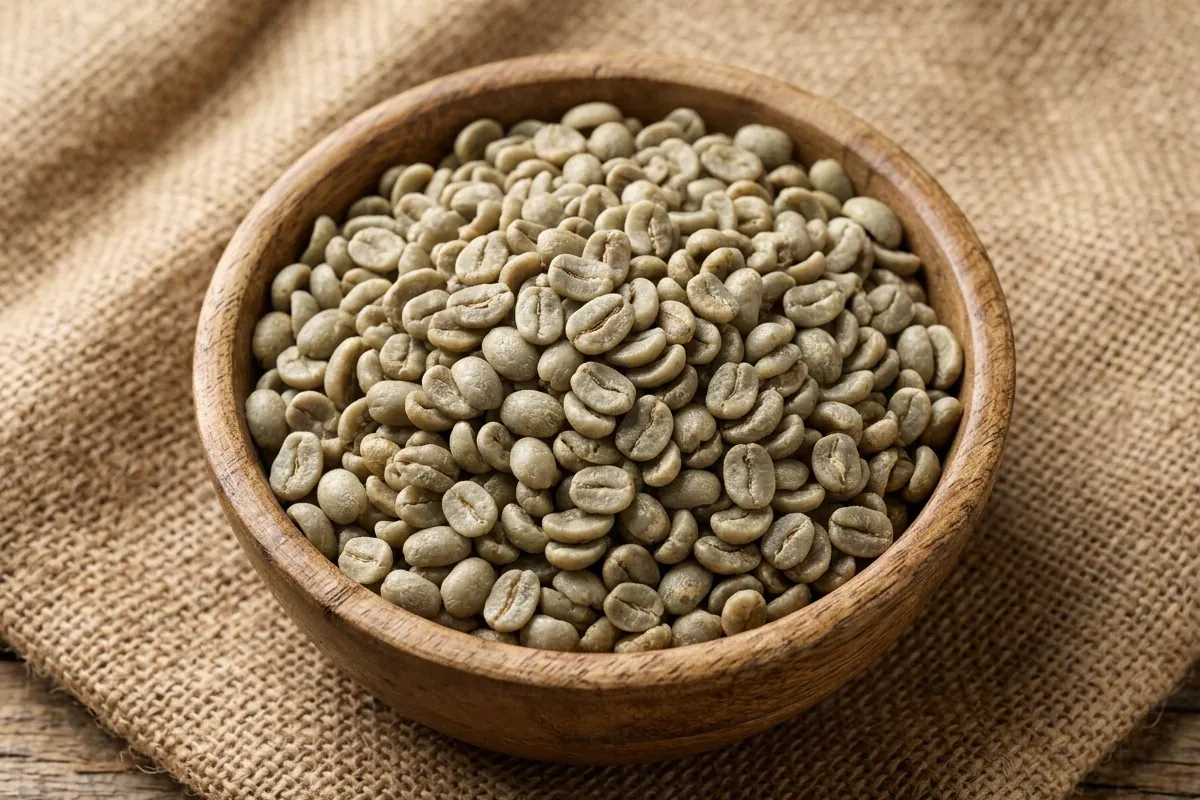
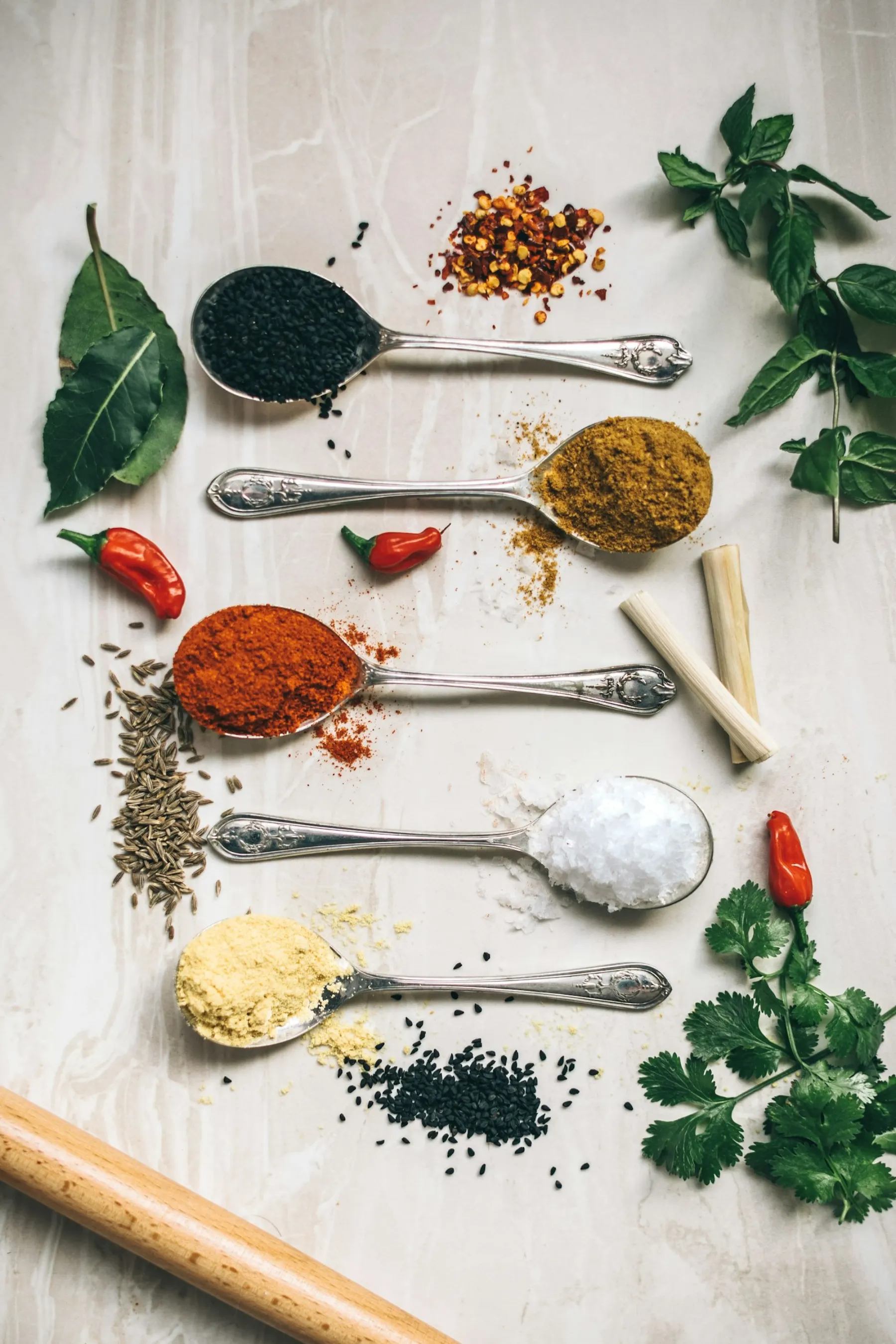
Asafoetida (hing), dried fish-free masalas, coffee and some herbs carry strong aromas. They should be well sealed and loaded away from rice, flour and tea.
4. Know the rules for each product
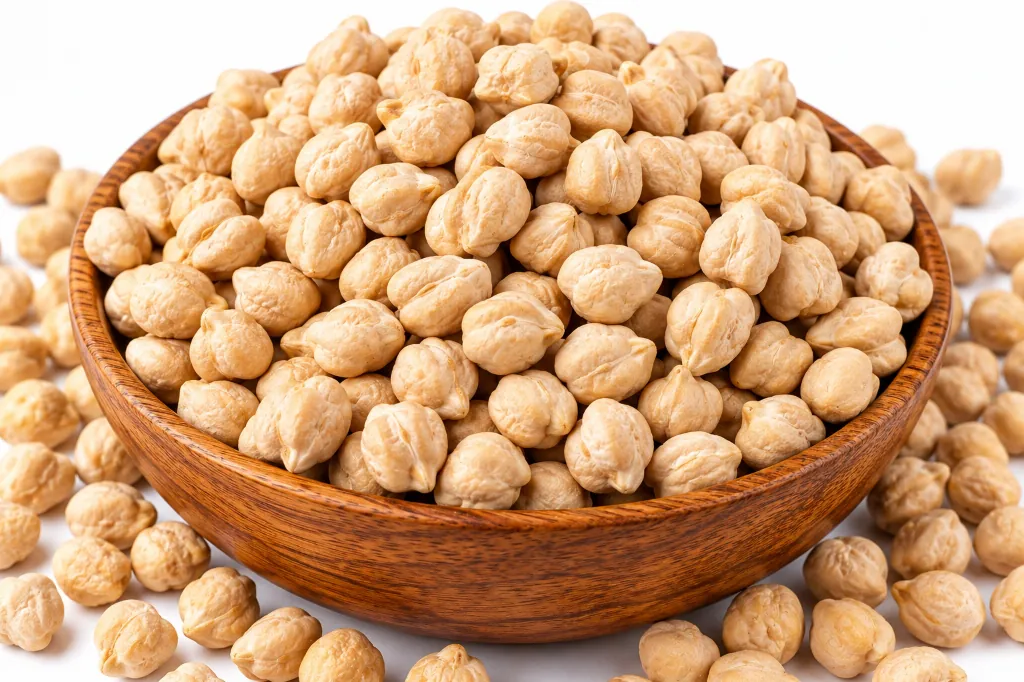
Some items need extra papers: phytosanitary certificates for whole seeds and pulses, health certificates for some markets, and import permits for certain herbs. Check your country's list before you finalise the order.
5. Labels and shelf life
Retail packs must carry labels that meet your country's rules (language, ingredients, allergens, importer address). Ask for production dates close to shipping so your stock has enough shelf life left on arrival.
6. Packing list and loading plan
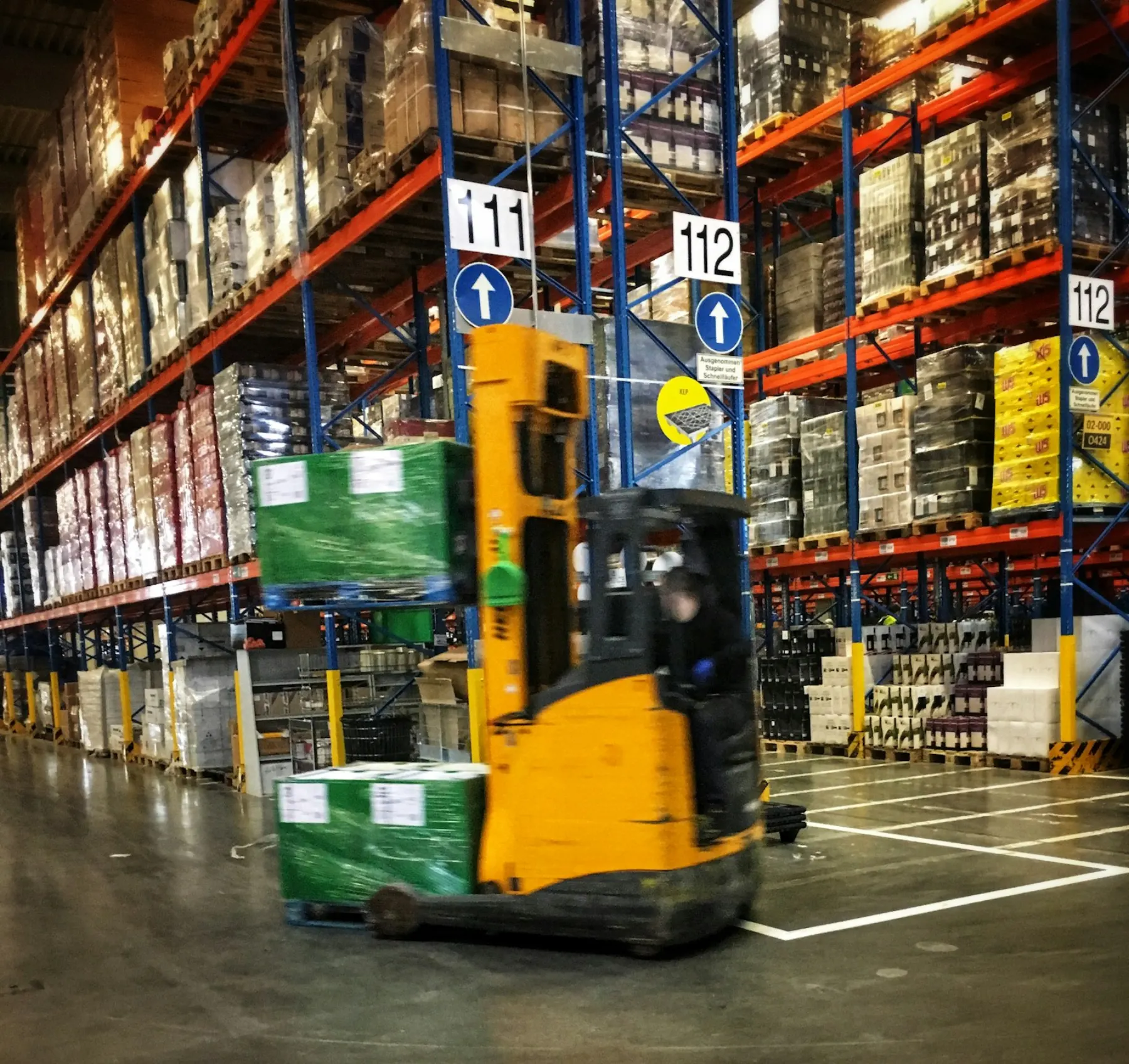
A clear packing list by carton, with weights, speeds up customs. Ask for photos during loading; they help with insurance claims and with checking that every item went in.