Sunita Agri ExportsGovt. Recognised Star Export House
Get a Quote
Sourcing CalendarSpices

The Indian Spice Harvest Calendar: When to Buy What
26 June 2026 · 5 min read · Sunita Agri Exports Export Team

The Indian Spice Harvest Calendar: When to Buy What

Most Indian spices are harvested once a year. New-crop lots usually have the best colour and aroma, and prices often soften when the harvest reaches the markets. Knowing the calendar helps you plan larger orders.

Winter-sown seed spices (harvest February–April)

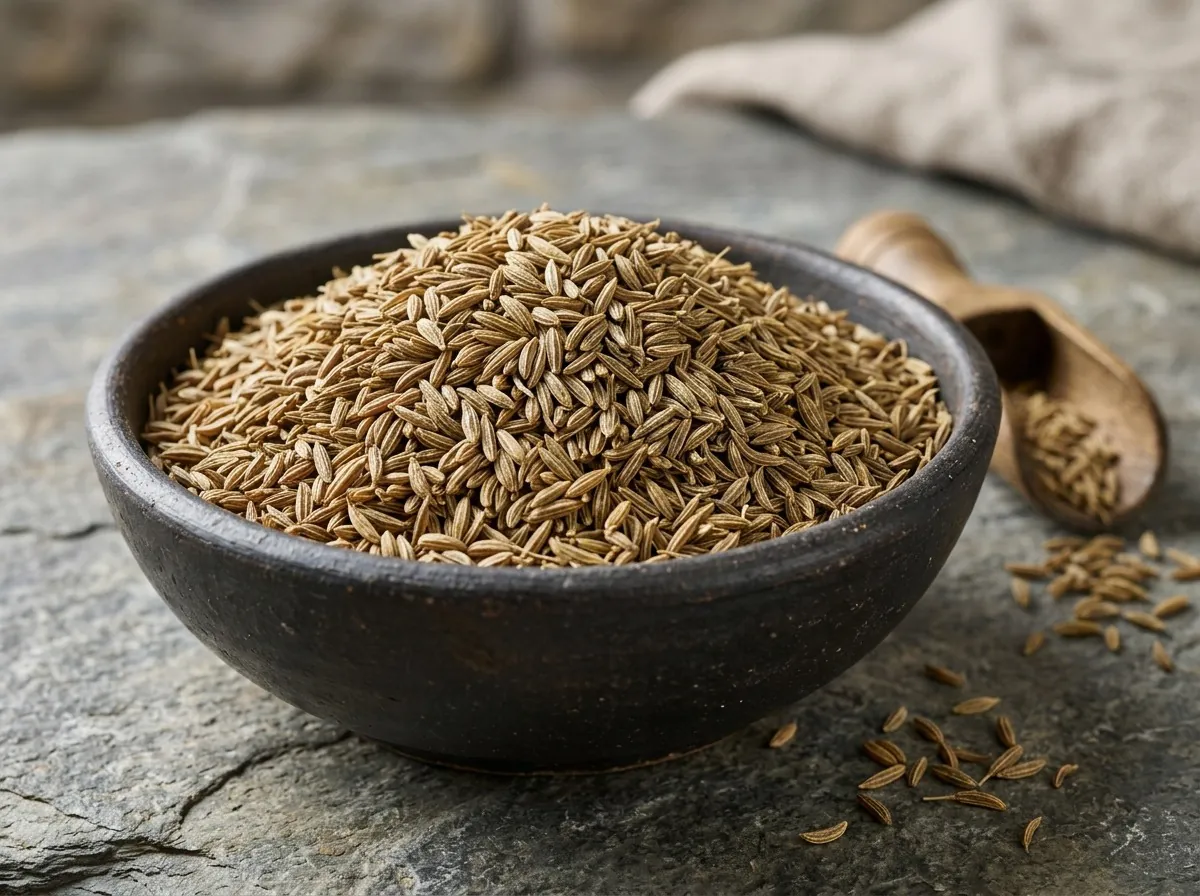
  • Cumin: harvested February to April in Gujarat and Rajasthan; arrivals peak at the Unjha market in March and April.
  • Coriander: February to April, mainly Rajasthan and Madhya Pradesh.
  • Fennel, fenugreek, ajwain and dill: also February to April.

Chilli (harvest December–April)

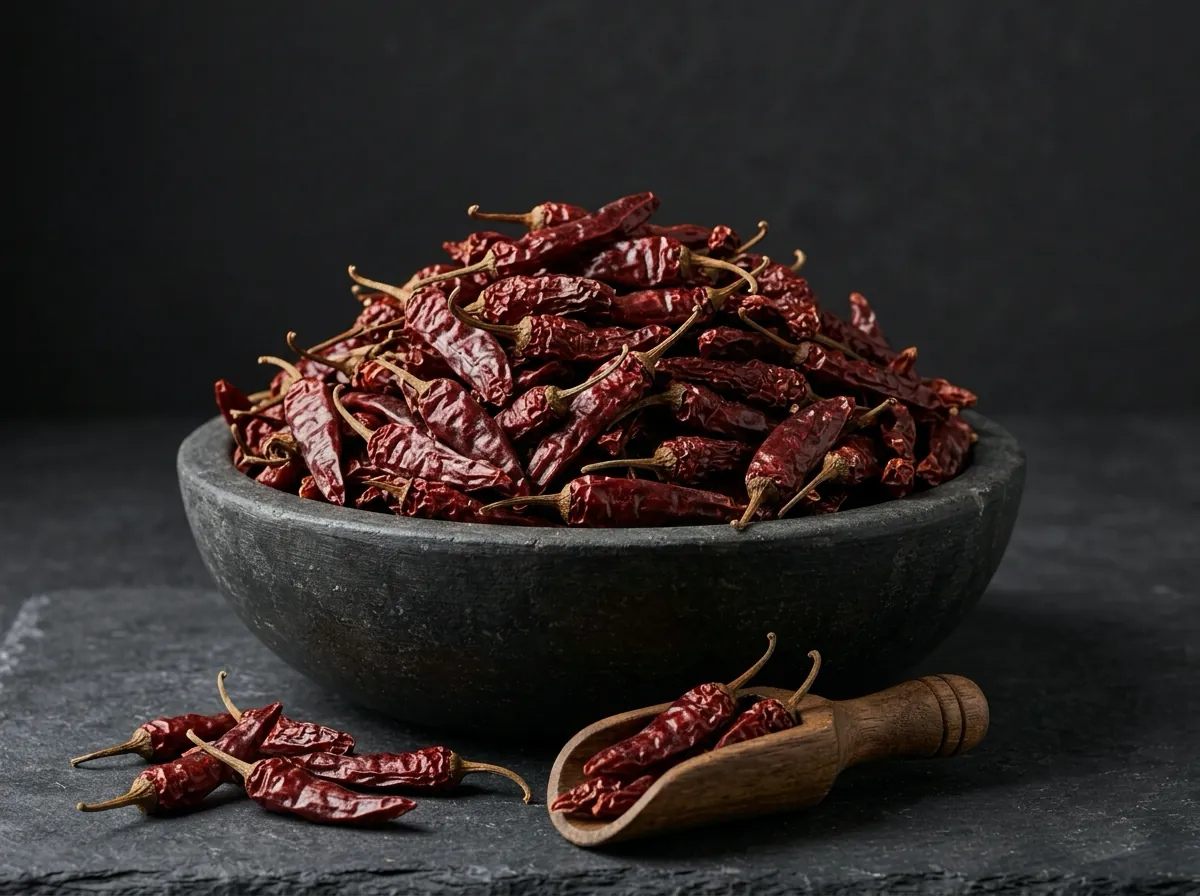
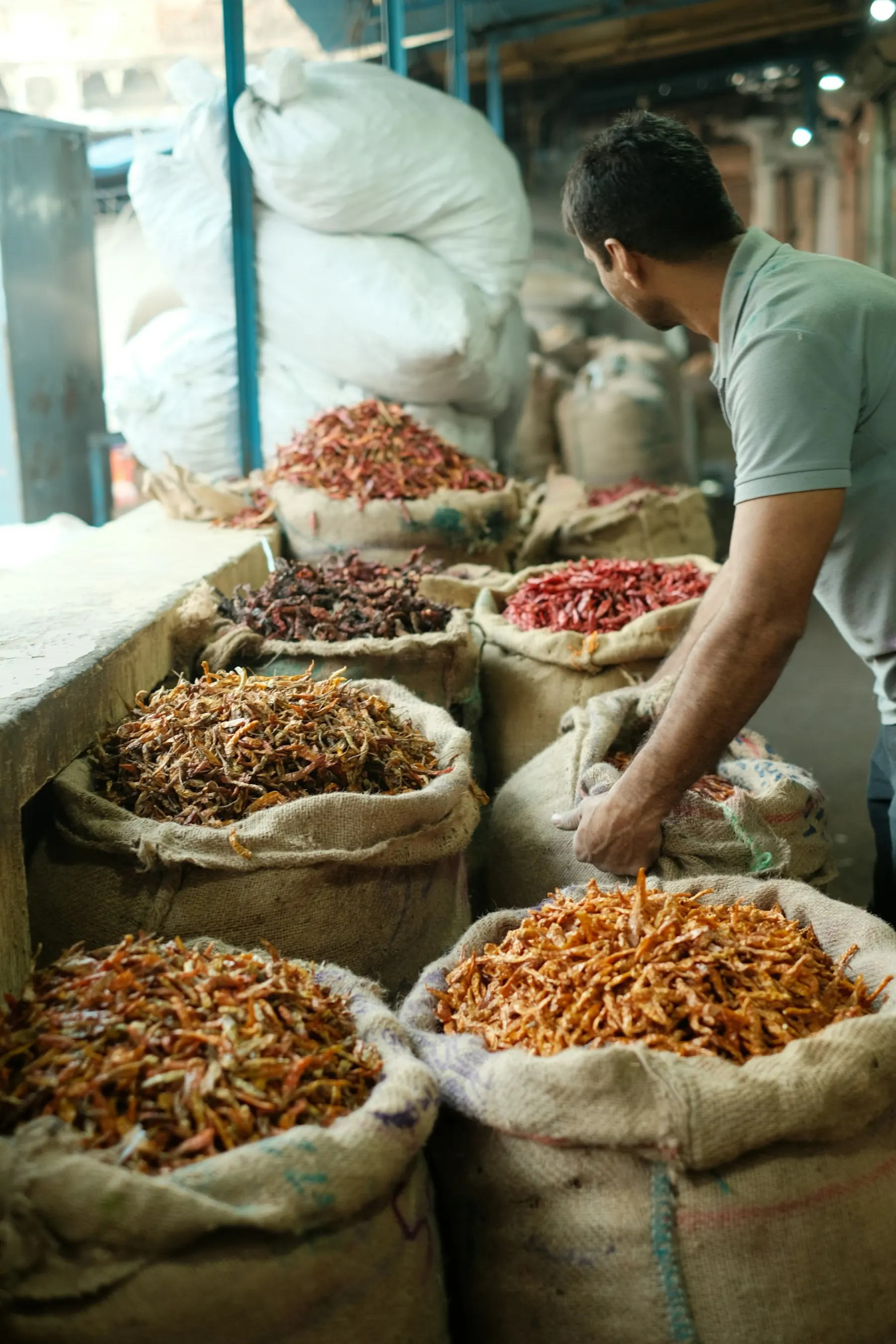
Guntur and other Andhra Pradesh chillies arrive from about January, with peak trading in February to April. Byadgi from Karnataka follows a similar season.

Turmeric (harvest January–April)

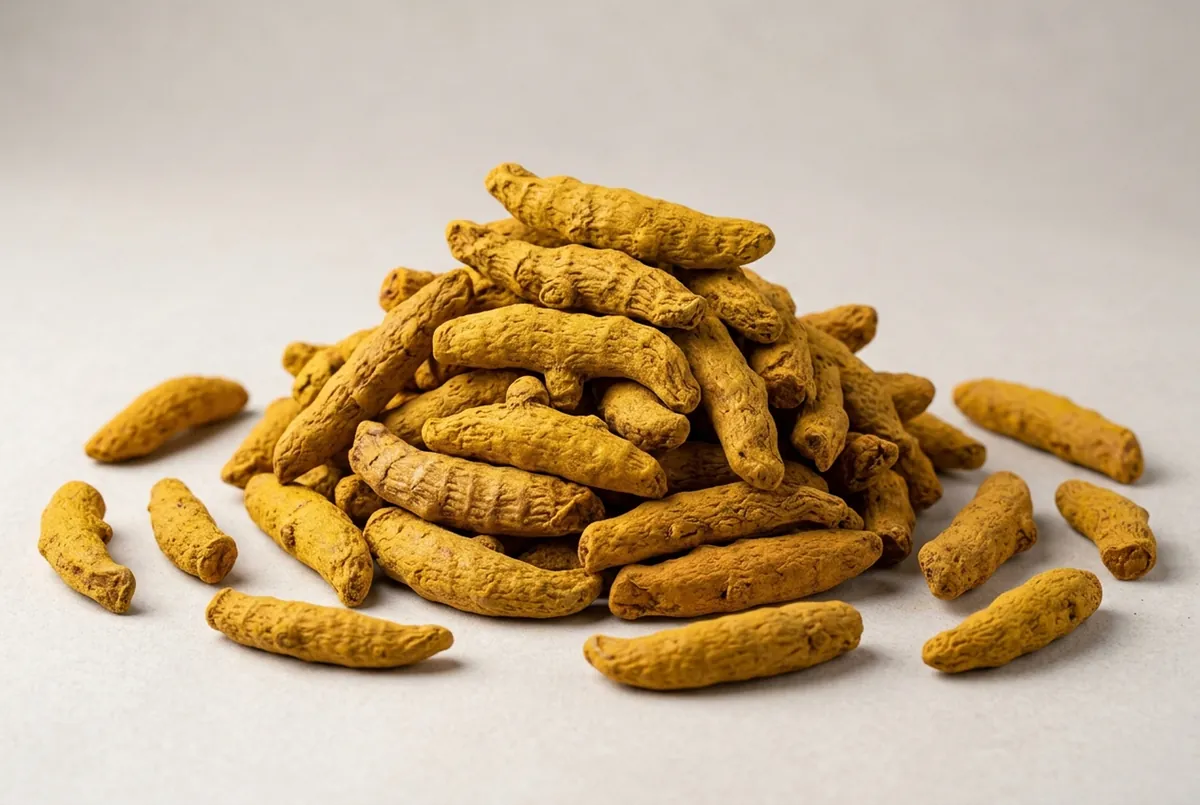
Turmeric is dug, boiled and dried in early spring, and new-crop fingers reach markets such as Erode, Nizamabad and Sangli from about February.

Pepper and cardamom

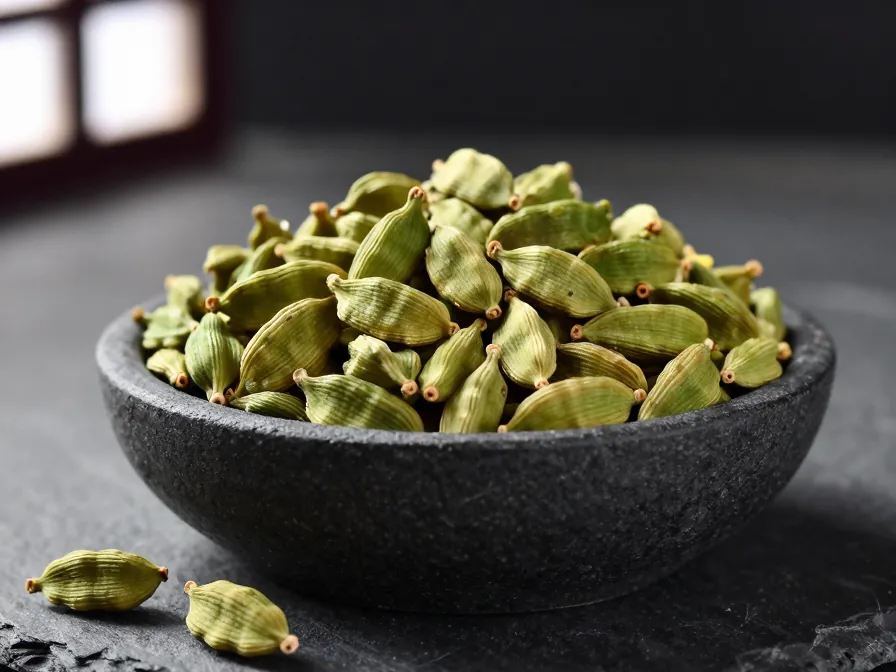
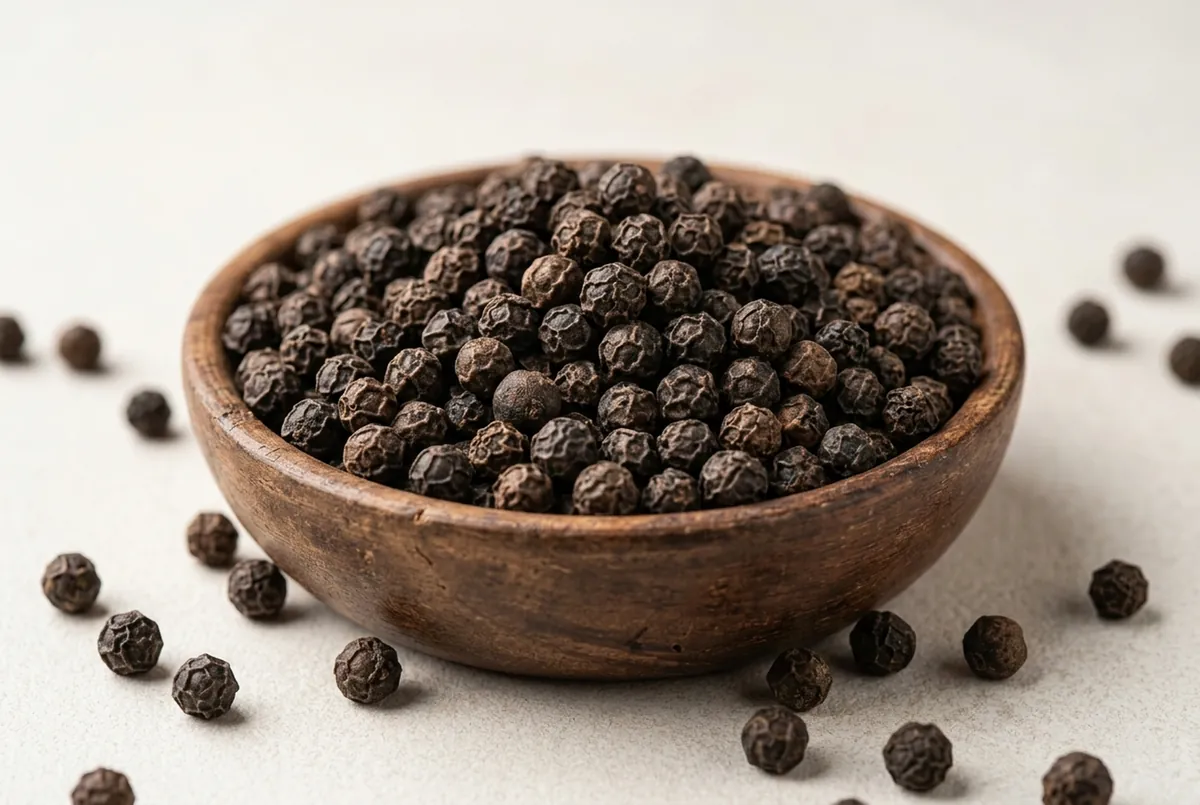
Black pepper is harvested December to March in Kerala and Karnataka. Green cardamom is picked in several rounds from about August to February.

How to use the calendar

If you use a spice all year, consider booking part of your annual need soon after harvest, when quality and choice are best. Spices store well when kept cool and dry, but always check how long your exporter can hold stock for you.

More guides

How to Import Spices from India: A Complete Guide for International Buyers8 min readTop Spices Exported From India: Demand, Quality Grades, and Sourcing Seasonality6 min readCumin Seed Grades Explained: Singapore, Europe and Sortex5 min read1121 vs 1509 vs 1718 Basmati: Which Variety Should You Import?6 min readA Checklist for Your First Mixed Container from India6 min readBuying Indian Turmeric: Curcumin, Lead Testing and Origins6 min readByadgi, Teja, Guntur, Kashmiri: A Guide to Indian Dried Chillies6 min readSteam-Sterilised Spices: What It Is and When You Need It5 min readExport Documents You Should Receive with Food from India6 min readFOB, CFR or CIF? Choosing Price Terms When You Buy from India5 min readStarting a Private-Label Spice Range Sourced from India6 min readDehydrated Onion from India: Flakes, Kibbled, Minced, Granules and Powder5 min readPsyllium Husk Purity Grades: 85% to 99% Explained5 min readCoriander Seed Grades: Eagle, Scooter and Parrot4 min readHulled vs Natural Sesame Seeds: Which One Do You Need?5 min readNon-Basmati Rice from India: Sona Masoori, Ponni, IR64 and More6 min readIndian Pulses for Importers: Chickpeas, Toor, Moong, Urad and Masoor6 min readGreen Cardamom Buying Guide: Sizes, Colour and Grades5 min readBlack Pepper Grades: Bulk Density, Garbled and Ungarbled5 min readStocking an Indian Grocery Store: Importing FMCG Brands from India6 min readPesticide Residues and EU MRLs: What Spice Importers Need to Know6 min readImporting Jaggery from India: Blocks, Cubes, Powder and Liquid5 min readIndian Coffee for Roasters: Arabica, Robusta and Monsooned Malabar5 min readSourcing Ayurvedic Herbs from India: Identity, Purity and Paperwork6 min readHow Much Fits in a 20 ft or 40 ft Container? A Guide for Food Buyers5 min readHow to Evaluate a Spice Sample Before You Order5 min readDesiccated Coconut Grades: Fine, Medium and High Fat4 min read