Sunita Agri ExportsGovt. Recognised Star Export House
Get a Quote
CuminQuality Grades

Cumin Seed Grades Explained: Singapore, Europe and Sortex
3 November 2026 · 5 min read · Sunita Agri Exports Export Team

Cumin Seed Grades Explained: Singapore, Europe and Sortex

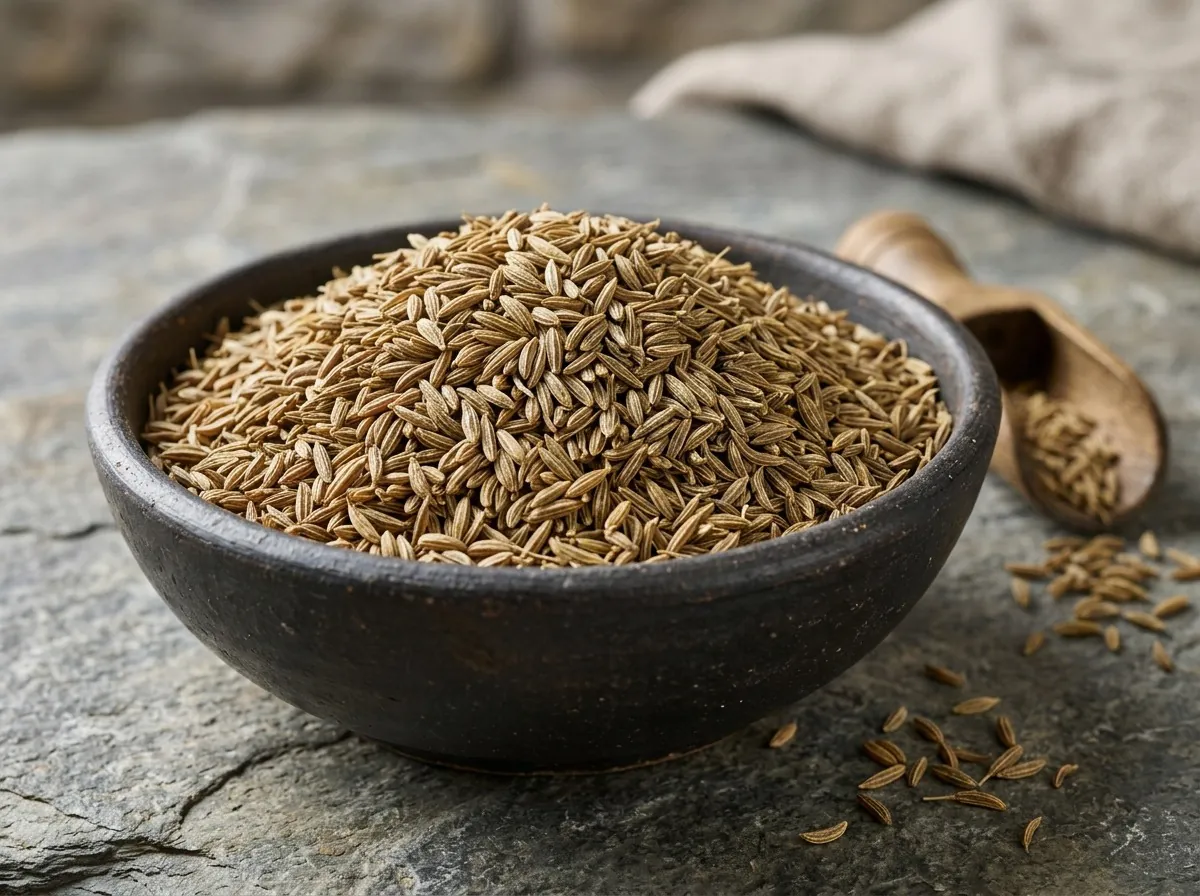
Indian cumin (jeera) is traded by purity: the share of the lot by weight that is clean cumin seed, with the rest being dust, stems, broken seed and other seeds. Three grades cover most export trade, and choosing the right one saves money without risking a rejected container.

Singapore grade (about 99% purity)

The workhorse grade for grinders and for markets where the cumin will be cleaned again or milled into powder. It is machine-cleaned but not colour-sorted, so you may see a few stems and darker seeds. It is popular with spice mills in the Middle East, Africa and South-East Asia.

Europe grade (about 99.5% purity)

A cleaner seed with fewer stems and less dust, sold to whole-seed packers and markets with stricter foreign-matter limits. It is a good middle ground for supermarket packing when the seed will be seen by the shopper.

Sortex cleaned (99.9% purity)

Passed through optical colour sorters that remove discoloured seed and foreign matter one seed at a time. This is the grade for premium retail packs, the EU and the USA, and for buyers who pay penalties on foreign matter. Expect a higher price per tonne, because sorting removes some good-looking seed along with the rejects.

What else to specify

  • Moisture: usually max 8–9%. Higher moisture adds weight you pay for and raises mould risk.
  • Volatile oil: often min 2.0% v/w for good aroma; important for grinders.
  • Total and acid-insoluble ash: limits sand and soil.
  • Pesticide residues and microbiology: state the market (EU MRLs, US FDA) so the lot is tested against the right limits; ask for steam sterilisation if you need low microbial counts.

How to choose

If you grind, Singapore grade usually gives the best value. If you pack whole seed for supermarkets, choose Europe or Sortex. Whatever you pick, ask for a pre-shipment sample from the actual lot and a certificate of analysis with the container.

More guides

How to Import Spices from India: A Complete Guide for International Buyers8 min readTop Spices Exported From India: Demand, Quality Grades, and Sourcing Seasonality6 min read1121 vs 1509 vs 1718 Basmati: Which Variety Should You Import?6 min readA Checklist for Your First Mixed Container from India6 min readBuying Indian Turmeric: Curcumin, Lead Testing and Origins6 min readByadgi, Teja, Guntur, Kashmiri: A Guide to Indian Dried Chillies6 min readSteam-Sterilised Spices: What It Is and When You Need It5 min readExport Documents You Should Receive with Food from India6 min readFOB, CFR or CIF? Choosing Price Terms When You Buy from India5 min readStarting a Private-Label Spice Range Sourced from India6 min readDehydrated Onion from India: Flakes, Kibbled, Minced, Granules and Powder5 min readPsyllium Husk Purity Grades: 85% to 99% Explained5 min readCoriander Seed Grades: Eagle, Scooter and Parrot4 min readHulled vs Natural Sesame Seeds: Which One Do You Need?5 min readNon-Basmati Rice from India: Sona Masoori, Ponni, IR64 and More6 min readIndian Pulses for Importers: Chickpeas, Toor, Moong, Urad and Masoor6 min readGreen Cardamom Buying Guide: Sizes, Colour and Grades5 min readBlack Pepper Grades: Bulk Density, Garbled and Ungarbled5 min readStocking an Indian Grocery Store: Importing FMCG Brands from India6 min readPesticide Residues and EU MRLs: What Spice Importers Need to Know6 min readThe Indian Spice Harvest Calendar: When to Buy What5 min readImporting Jaggery from India: Blocks, Cubes, Powder and Liquid5 min readIndian Coffee for Roasters: Arabica, Robusta and Monsooned Malabar5 min readSourcing Ayurvedic Herbs from India: Identity, Purity and Paperwork6 min readHow Much Fits in a 20 ft or 40 ft Container? A Guide for Food Buyers5 min readHow to Evaluate a Spice Sample Before You Order5 min readDesiccated Coconut Grades: Fine, Medium and High Fat4 min read