Sunita Agri ExportsGovt. Recognised Star Export House
Get a Quote
CoffeeSourcing

Indian Coffee for Roasters: Arabica, Robusta and Monsooned Malabar
12 June 2026 · 5 min read · Sunita Agri Exports Export Team

Indian Coffee for Roasters: Arabica, Robusta and Monsooned Malabar

India grows coffee under a canopy of shade trees, mainly in Karnataka, Kerala and Tamil Nadu. This slow growth gives Indian coffee a mild acidity and full body.

Arabica and Robusta

India grows both. Indian Robusta is especially well known: washed Robusta (Parchment) and the higher grade Kaapi Royale are valued in espresso blends for body and crema. Arabica grades include Plantation A, the washed arabica from estates.

Grades

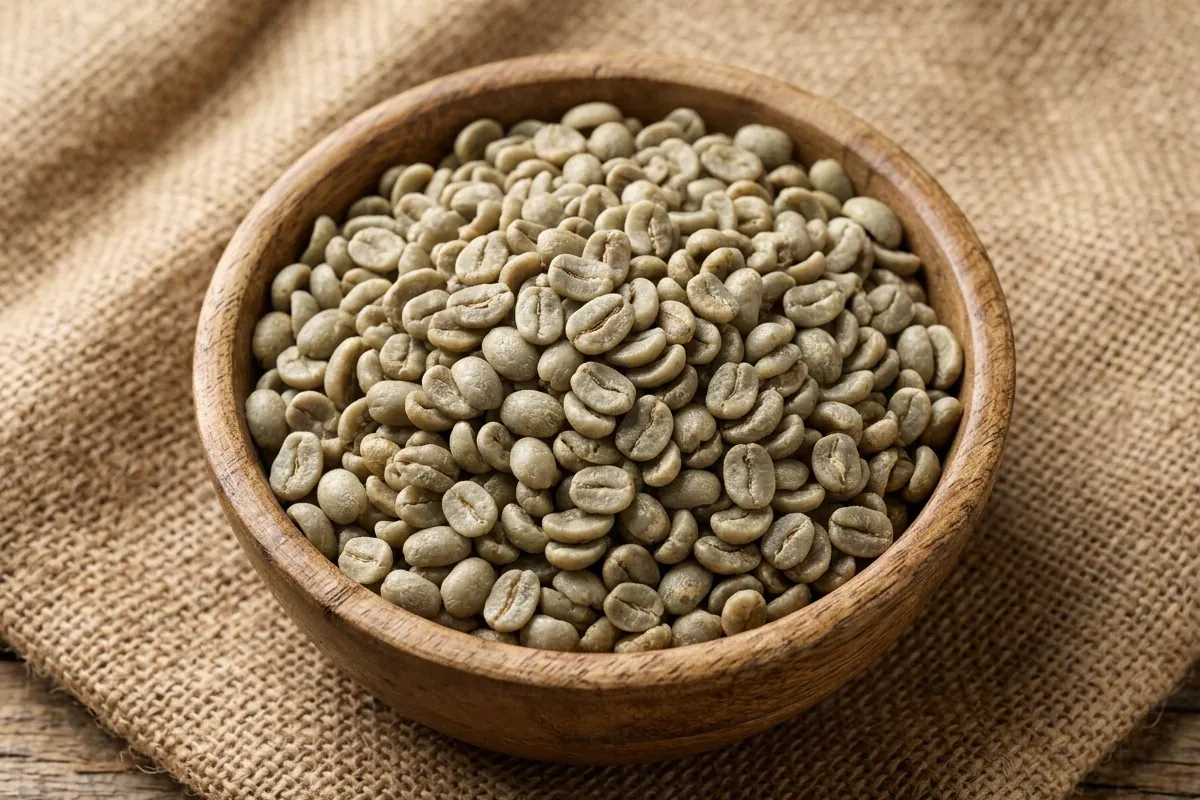
Indian green coffee is graded by bean size and processing, for example AA, A, AB, PB (peaberry) and C, and by whether it is washed (parchment) or natural (cherry). Screen size, defects and moisture are part of every contract.

Monsooned Malabar

A unique Indian coffee: natural Arabica or Robusta beans are exposed to monsoon winds in open warehouses on the Malabar coast for several weeks. The beans swell and turn pale, and the cup becomes low in acidity with an earthy, heavy body. It is popular with specialty roasters and in espresso blends.

Buying tips

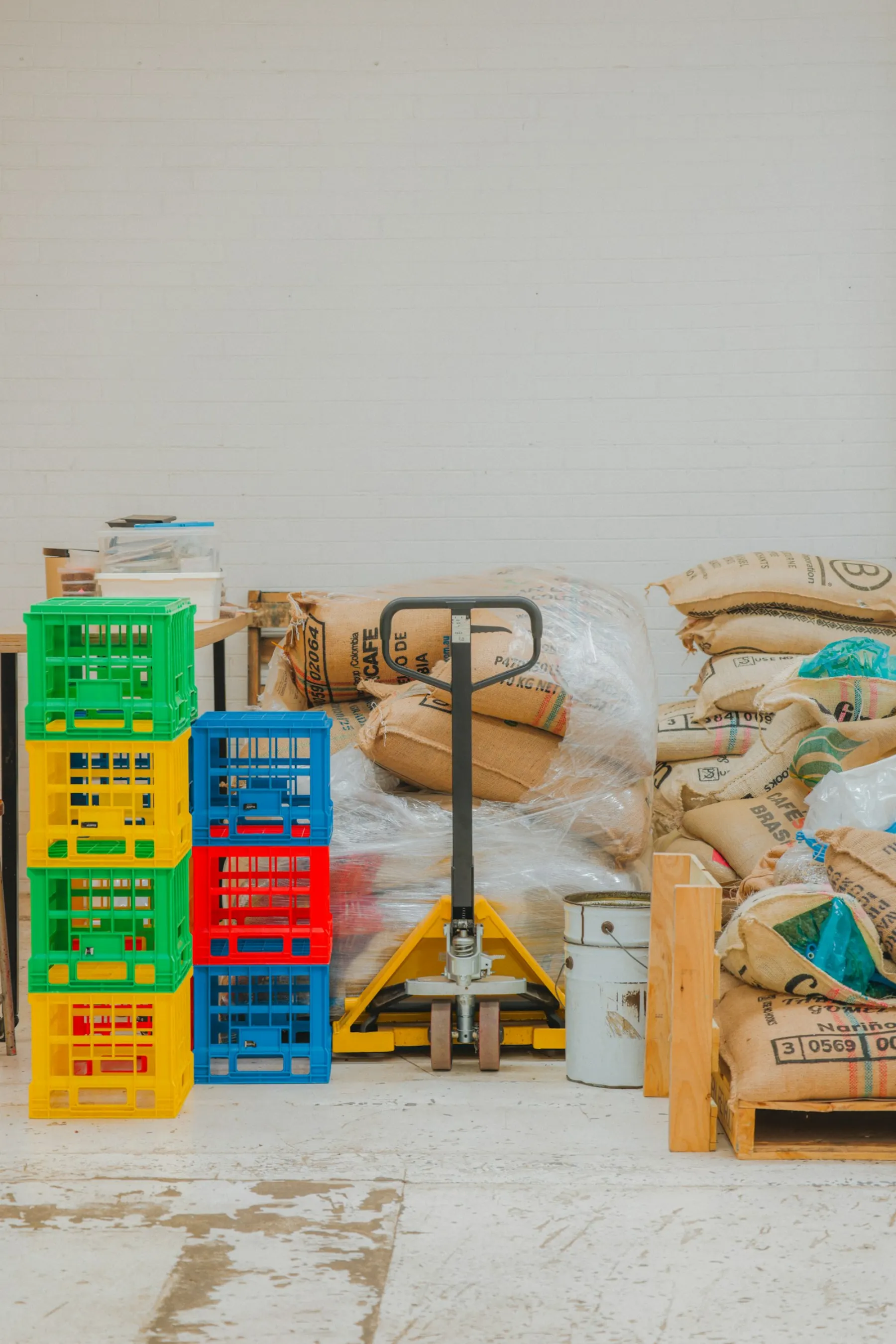
Ask for samples to cup before you confirm, and agree the crop year. Green coffee ships in jute bags, often with GrainPro liners, and should be stored away from strong smells.

More guides

How to Import Spices from India: A Complete Guide for International Buyers8 min readTop Spices Exported From India: Demand, Quality Grades, and Sourcing Seasonality6 min readCumin Seed Grades Explained: Singapore, Europe and Sortex5 min read1121 vs 1509 vs 1718 Basmati: Which Variety Should You Import?6 min readA Checklist for Your First Mixed Container from India6 min readBuying Indian Turmeric: Curcumin, Lead Testing and Origins6 min readByadgi, Teja, Guntur, Kashmiri: A Guide to Indian Dried Chillies6 min readSteam-Sterilised Spices: What It Is and When You Need It5 min readExport Documents You Should Receive with Food from India6 min readFOB, CFR or CIF? Choosing Price Terms When You Buy from India5 min readStarting a Private-Label Spice Range Sourced from India6 min readDehydrated Onion from India: Flakes, Kibbled, Minced, Granules and Powder5 min readPsyllium Husk Purity Grades: 85% to 99% Explained5 min readCoriander Seed Grades: Eagle, Scooter and Parrot4 min readHulled vs Natural Sesame Seeds: Which One Do You Need?5 min readNon-Basmati Rice from India: Sona Masoori, Ponni, IR64 and More6 min readIndian Pulses for Importers: Chickpeas, Toor, Moong, Urad and Masoor6 min readGreen Cardamom Buying Guide: Sizes, Colour and Grades5 min readBlack Pepper Grades: Bulk Density, Garbled and Ungarbled5 min readStocking an Indian Grocery Store: Importing FMCG Brands from India6 min readPesticide Residues and EU MRLs: What Spice Importers Need to Know6 min readThe Indian Spice Harvest Calendar: When to Buy What5 min readImporting Jaggery from India: Blocks, Cubes, Powder and Liquid5 min readSourcing Ayurvedic Herbs from India: Identity, Purity and Paperwork6 min readHow Much Fits in a 20 ft or 40 ft Container? A Guide for Food Buyers5 min readHow to Evaluate a Spice Sample Before You Order5 min readDesiccated Coconut Grades: Fine, Medium and High Fat4 min read