Pesticide Residues and EU MRLs: What Spice Importers Need to Know
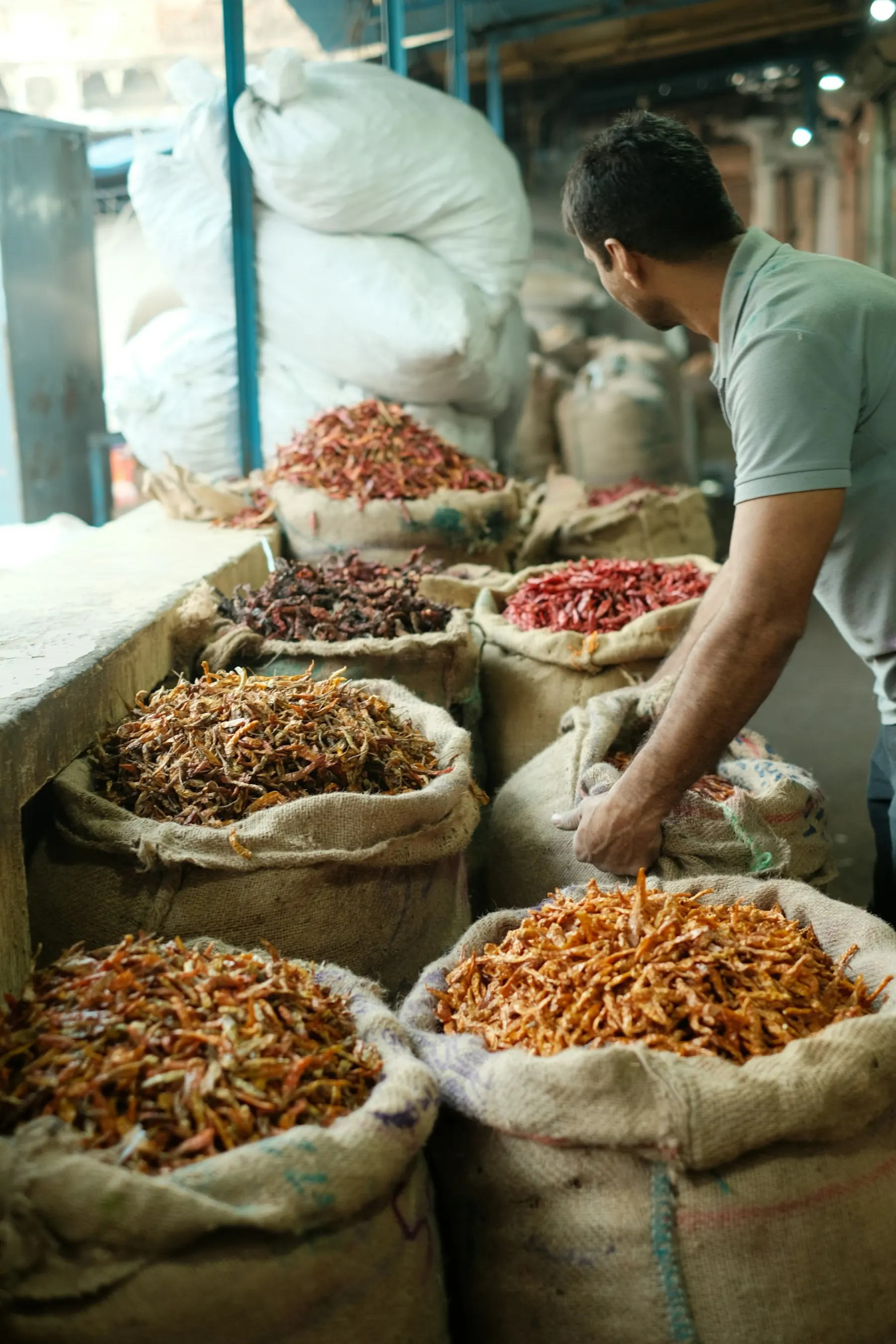
Every country sets maximum residue limits (MRLs) for pesticides in food. The European Union has some of the strictest, and spices that are fine for one market may fail in another. For importers, the goal is simple: test against the limits of the country where the goods will be sold.
Why limits differ
Countries approve different pesticides and set limits based on their own risk assessments. When a pesticide is not approved in the EU, its limit is often set at the lowest level a lab can measure, typically 0.01 mg/kg. That makes testing against the right list essential.
How testing works
Samples from each lot are sent to an accredited laboratory, usually tested by LC-MS/MS and GC-MS/MS for a panel of several hundred pesticides. The report lists any residues found and their levels. For the EU, ask for a report that compares results with EU MRLs.
Reducing the risk
- Agree in your contract which market's limits apply.
- Ask for the lab report before shipment, not after arrival.
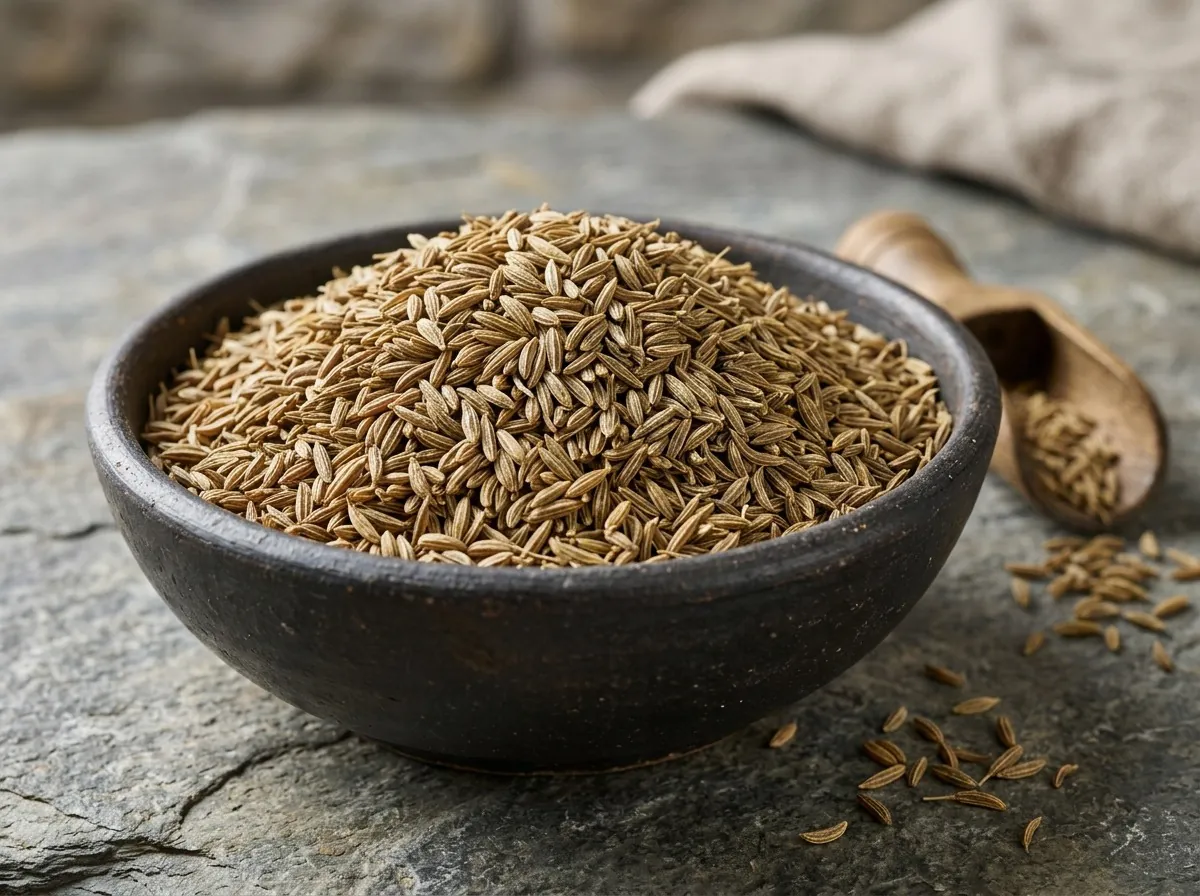
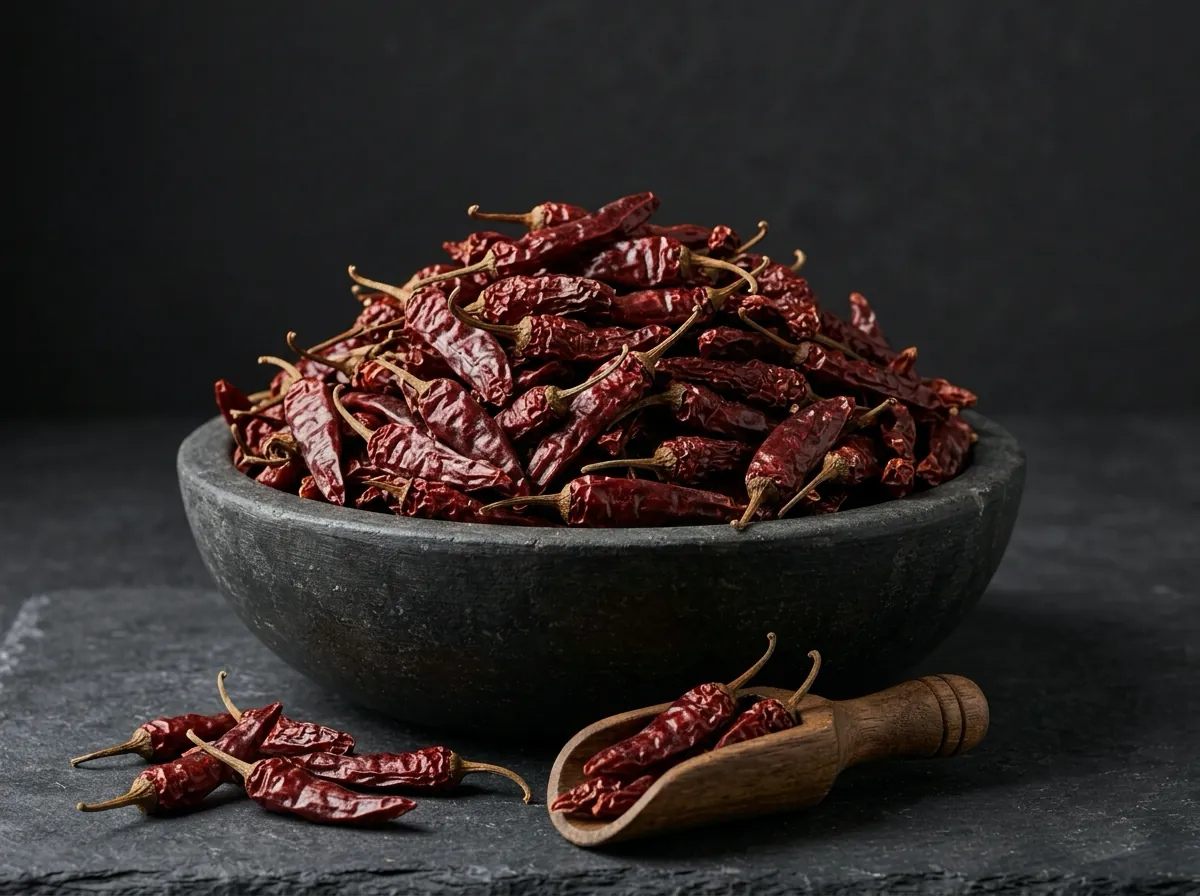
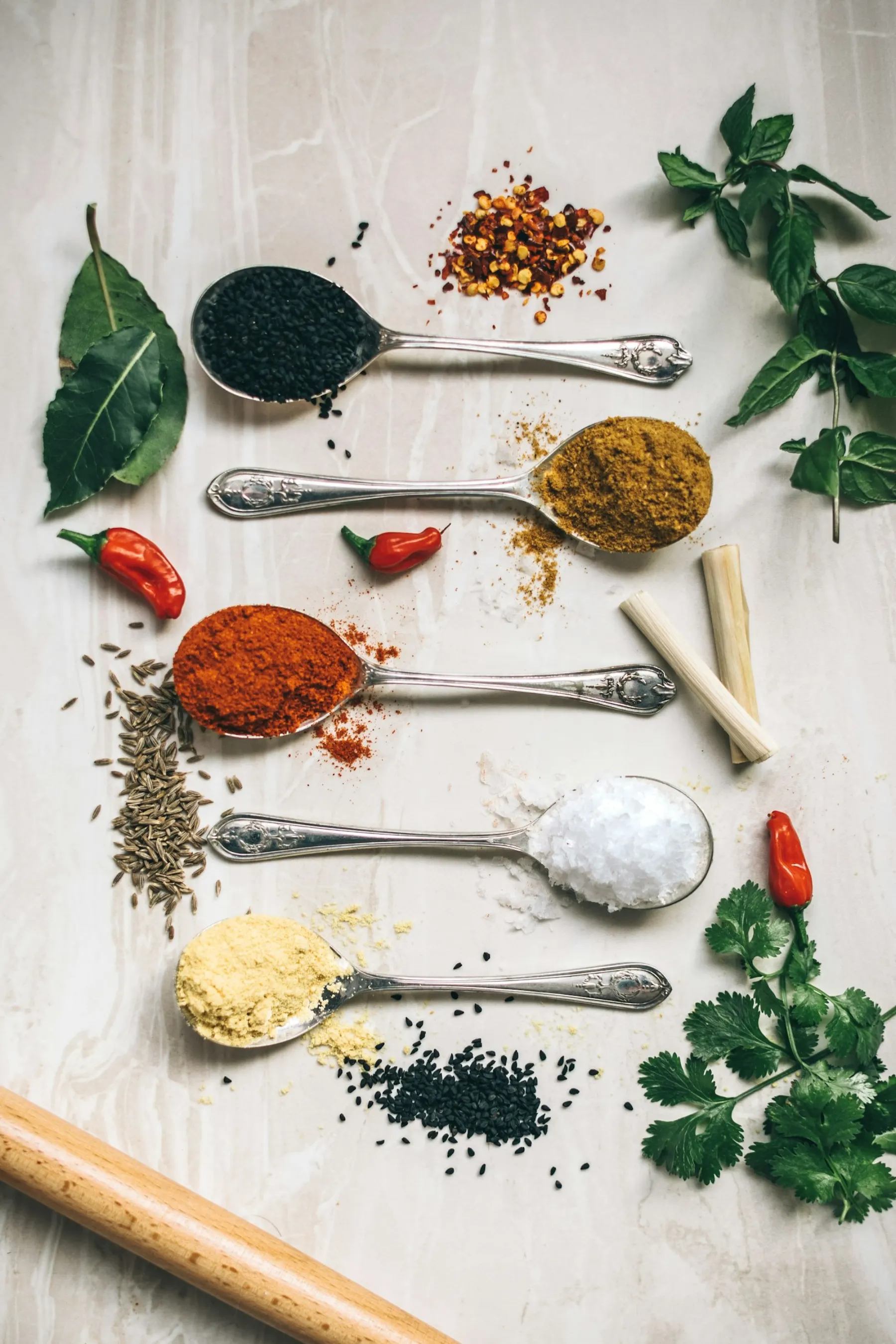
- Buy from origins and suppliers with good residue records; some products, such as cumin, chilli and fennel, are watched more closely.
- Consider IPM (integrated pest management) grown or organic produce for sensitive markets.
Other contaminants
Spices are also checked for aflatoxins and ochratoxin A, Salmonella, heavy metals and, in some markets, ethylene oxide. A complete certificate of analysis covers all of these.