Sunita Agri ExportsGovt. Recognised Star Export House
Get a Quote
JaggeryNatural Sweeteners

Importing Jaggery from India: Blocks, Cubes, Powder and Liquid
19 June 2026 · 5 min read · Sunita Agri Exports Export Team

Importing Jaggery from India: Blocks, Cubes, Powder and Liquid

Jaggery (gur) is unrefined cane sugar made by boiling sugarcane juice until it sets. India is the largest producer, with major centres in Maharashtra, Uttar Pradesh and Karnataka.

Forms

  • Blocks: traditional moulded shapes of 500 g to several kilos.
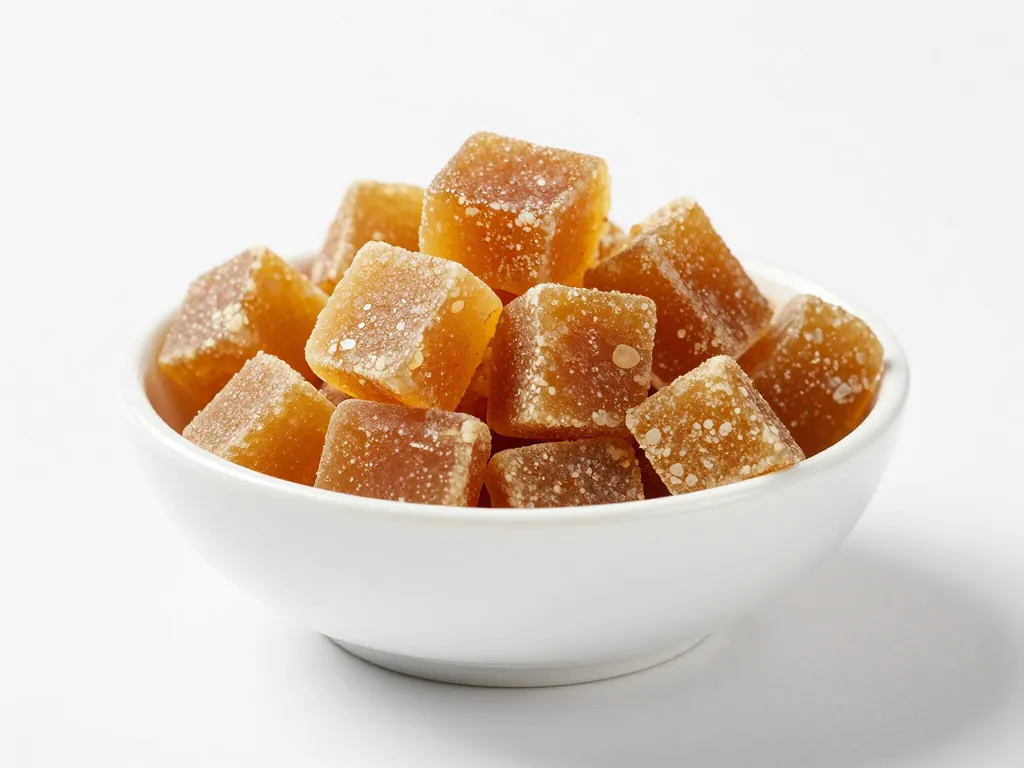
  • Cubes: small pieces for tea and snacking, popular in retail packs.
  • Powder: free-flowing, used in baking, drinks and as a sugar replacement.
  • Liquid jaggery: used in sweets and beverages.

Quality points

Buyers look at colour (golden to dark brown), taste, moisture, sucrose content and the absence of foreign matter. Light golden jaggery is often preferred for retail. Ask whether any clarifying agents were used during boiling; many buyers want chemical-free jaggery.

Shipping and storage

Jaggery absorbs moisture and can become sticky or soft in humid weather. It should be packed in moisture-proof liners inside cartons, shipped in clean, dry containers, and stored cool. Powder is less sensitive than blocks if well sealed.

Organic jaggery

Organic jaggery needs certified organic cane and a certified processing unit. If you sell it as organic, ask for the relevant certificates with every shipment.

More guides

How to Import Spices from India: A Complete Guide for International Buyers8 min readTop Spices Exported From India: Demand, Quality Grades, and Sourcing Seasonality6 min readCumin Seed Grades Explained: Singapore, Europe and Sortex5 min read1121 vs 1509 vs 1718 Basmati: Which Variety Should You Import?6 min readA Checklist for Your First Mixed Container from India6 min readBuying Indian Turmeric: Curcumin, Lead Testing and Origins6 min readByadgi, Teja, Guntur, Kashmiri: A Guide to Indian Dried Chillies6 min readSteam-Sterilised Spices: What It Is and When You Need It5 min readExport Documents You Should Receive with Food from India6 min readFOB, CFR or CIF? Choosing Price Terms When You Buy from India5 min readStarting a Private-Label Spice Range Sourced from India6 min readDehydrated Onion from India: Flakes, Kibbled, Minced, Granules and Powder5 min readPsyllium Husk Purity Grades: 85% to 99% Explained5 min readCoriander Seed Grades: Eagle, Scooter and Parrot4 min readHulled vs Natural Sesame Seeds: Which One Do You Need?5 min readNon-Basmati Rice from India: Sona Masoori, Ponni, IR64 and More6 min readIndian Pulses for Importers: Chickpeas, Toor, Moong, Urad and Masoor6 min readGreen Cardamom Buying Guide: Sizes, Colour and Grades5 min readBlack Pepper Grades: Bulk Density, Garbled and Ungarbled5 min readStocking an Indian Grocery Store: Importing FMCG Brands from India6 min readPesticide Residues and EU MRLs: What Spice Importers Need to Know6 min readThe Indian Spice Harvest Calendar: When to Buy What5 min readIndian Coffee for Roasters: Arabica, Robusta and Monsooned Malabar5 min readSourcing Ayurvedic Herbs from India: Identity, Purity and Paperwork6 min readHow Much Fits in a 20 ft or 40 ft Container? A Guide for Food Buyers5 min readHow to Evaluate a Spice Sample Before You Order5 min readDesiccated Coconut Grades: Fine, Medium and High Fat4 min read