Sunita Agri ExportsGovt. Recognised Star Export House
Get a Quote
QualityImporting Guide

How to Evaluate a Spice Sample Before You Order
20 May 2026 · 5 min read · Sunita Agri Exports Export Team

How to Evaluate a Spice Sample Before You Order

A sample is your best protection against surprises. Taking twenty minutes to check it properly, and keeping it for comparison, can save a lot of trouble later.

1. Look

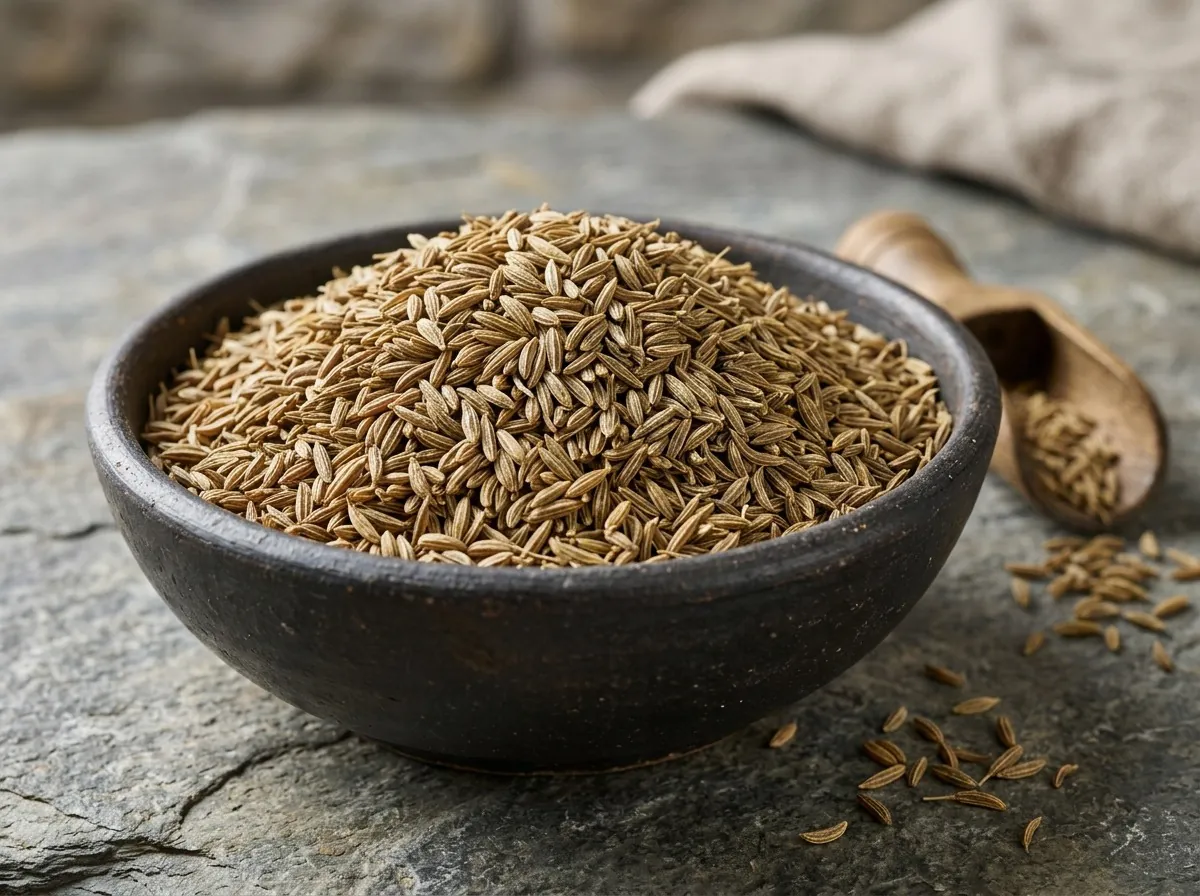
Spread a portion on white paper in good daylight. Check colour, size consistency, broken pieces, stems, stones, insects and any dust. For seeds, compare against the purity you were promised.

2. Smell and taste

Crush a few seeds or rub some powder between your fingers. The aroma should be strong and typical of the spice, with no musty, damp or smoky smell. Taste a little to check for bitterness or off-flavours.

3. Simple tests

  • Moisture: seeds should feel dry and snap rather than bend. A moisture meter gives a quick figure.
  • Water test for powders: stir a spoonful in a glass of water. Sand or sawdust may sink or float; colour that bleeds very fast can suggest added dye.
  • Sieve: shake through a kitchen sieve to see how much dust and fine matter there is.

4. Lab tests

For larger orders, send the sample to a lab for moisture, ash, volatile oil, microbiology, aflatoxins and pesticide residues against your market's limits.

5. Keep a reference

Seal and label part of the approved sample. Write in your contract that the shipment must match it. When the container arrives, compare the goods with your reference before you accept them.

More guides

How to Import Spices from India: A Complete Guide for International Buyers8 min readTop Spices Exported From India: Demand, Quality Grades, and Sourcing Seasonality6 min readCumin Seed Grades Explained: Singapore, Europe and Sortex5 min read1121 vs 1509 vs 1718 Basmati: Which Variety Should You Import?6 min readA Checklist for Your First Mixed Container from India6 min readBuying Indian Turmeric: Curcumin, Lead Testing and Origins6 min readByadgi, Teja, Guntur, Kashmiri: A Guide to Indian Dried Chillies6 min readSteam-Sterilised Spices: What It Is and When You Need It5 min readExport Documents You Should Receive with Food from India6 min readFOB, CFR or CIF? Choosing Price Terms When You Buy from India5 min readStarting a Private-Label Spice Range Sourced from India6 min readDehydrated Onion from India: Flakes, Kibbled, Minced, Granules and Powder5 min readPsyllium Husk Purity Grades: 85% to 99% Explained5 min readCoriander Seed Grades: Eagle, Scooter and Parrot4 min readHulled vs Natural Sesame Seeds: Which One Do You Need?5 min readNon-Basmati Rice from India: Sona Masoori, Ponni, IR64 and More6 min readIndian Pulses for Importers: Chickpeas, Toor, Moong, Urad and Masoor6 min readGreen Cardamom Buying Guide: Sizes, Colour and Grades5 min readBlack Pepper Grades: Bulk Density, Garbled and Ungarbled5 min readStocking an Indian Grocery Store: Importing FMCG Brands from India6 min readPesticide Residues and EU MRLs: What Spice Importers Need to Know6 min readThe Indian Spice Harvest Calendar: When to Buy What5 min readImporting Jaggery from India: Blocks, Cubes, Powder and Liquid5 min readIndian Coffee for Roasters: Arabica, Robusta and Monsooned Malabar5 min readSourcing Ayurvedic Herbs from India: Identity, Purity and Paperwork6 min readHow Much Fits in a 20 ft or 40 ft Container? A Guide for Food Buyers5 min readDesiccated Coconut Grades: Fine, Medium and High Fat4 min read