Hulled vs Natural Sesame Seeds: Which One Do You Need?
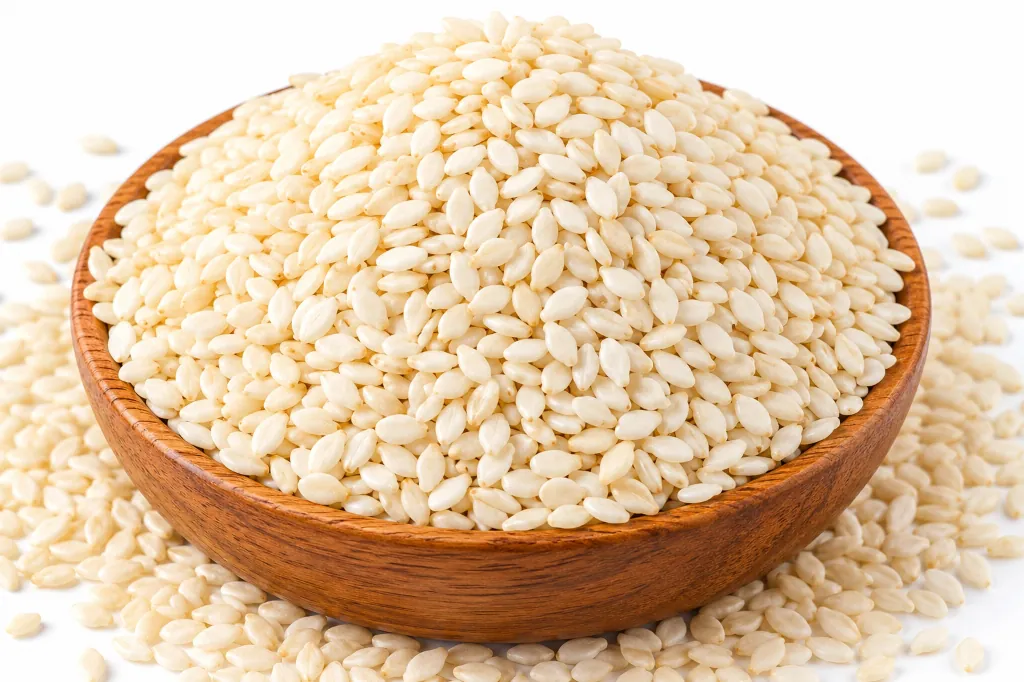
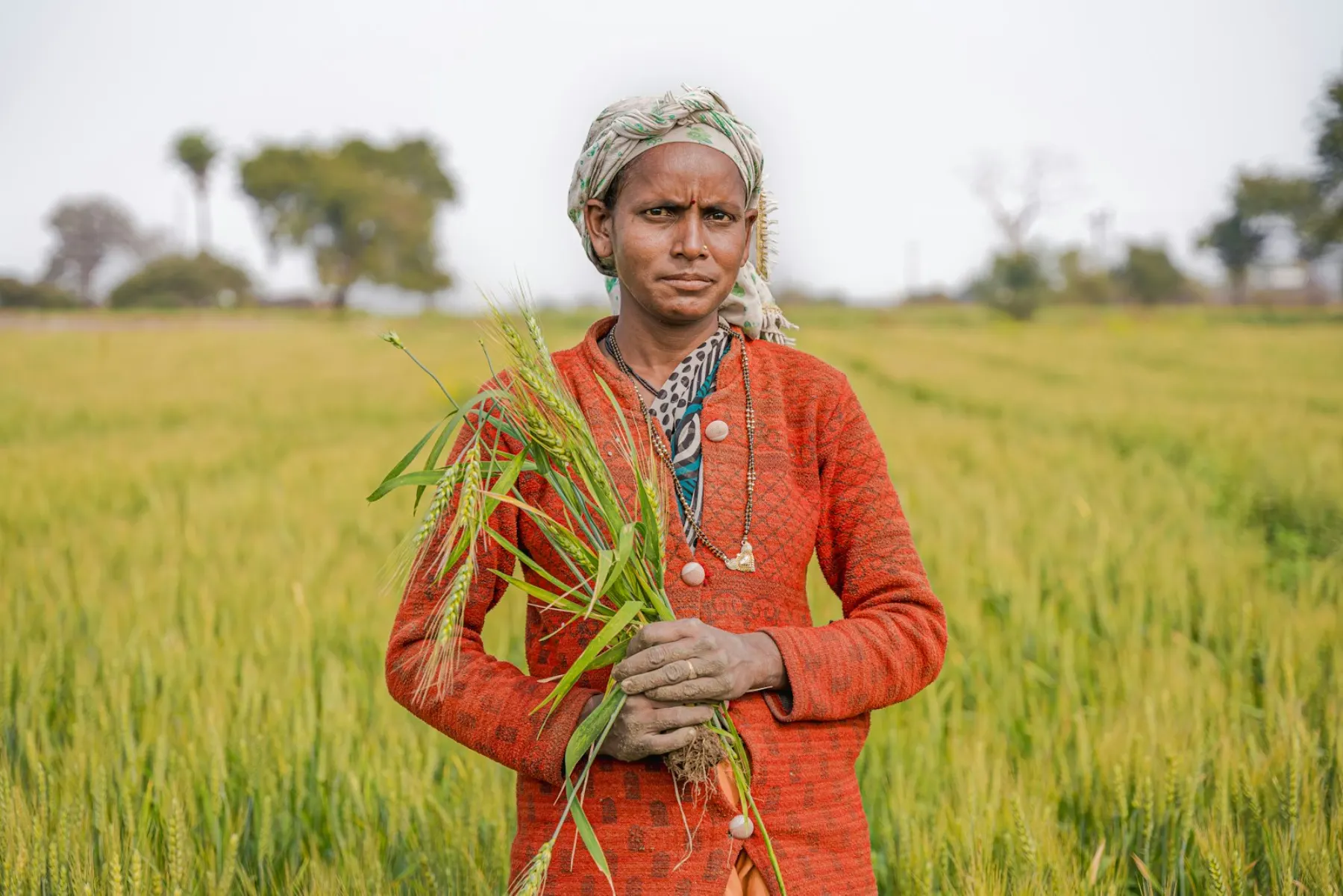
India is one of the largest sesame exporters, with major crops in Gujarat, Rajasthan and Madhya Pradesh. The seed is sold in three main forms.
Natural white sesame
Cleaned whole seed with the hull still on. It has a slightly bitter edge and a longer shelf life. It is used for oil pressing, some bakery toppings and confectionery such as chikki.
Hulled sesame
The hull is removed, mechanically or by a mild wash, giving a white seed with a softer, nuttier taste. It is the standard for bun toppings, tahini, halva and sushi. Purity of 99.95% with Sortex cleaning is common for export.
Black sesame
Used in Asian desserts, toppings and pastes. Colour and the share of mixed brown seed are key quality points.
Quality and safety
Sesame shipped to the EU must meet strict limits on Salmonella and pesticide residues, and buyers test arrivals regularly. Ask for a certificate of analysis for each lot covering purity, moisture, free fatty acid, oil content (for crushers), microbiology and residues.
Packing
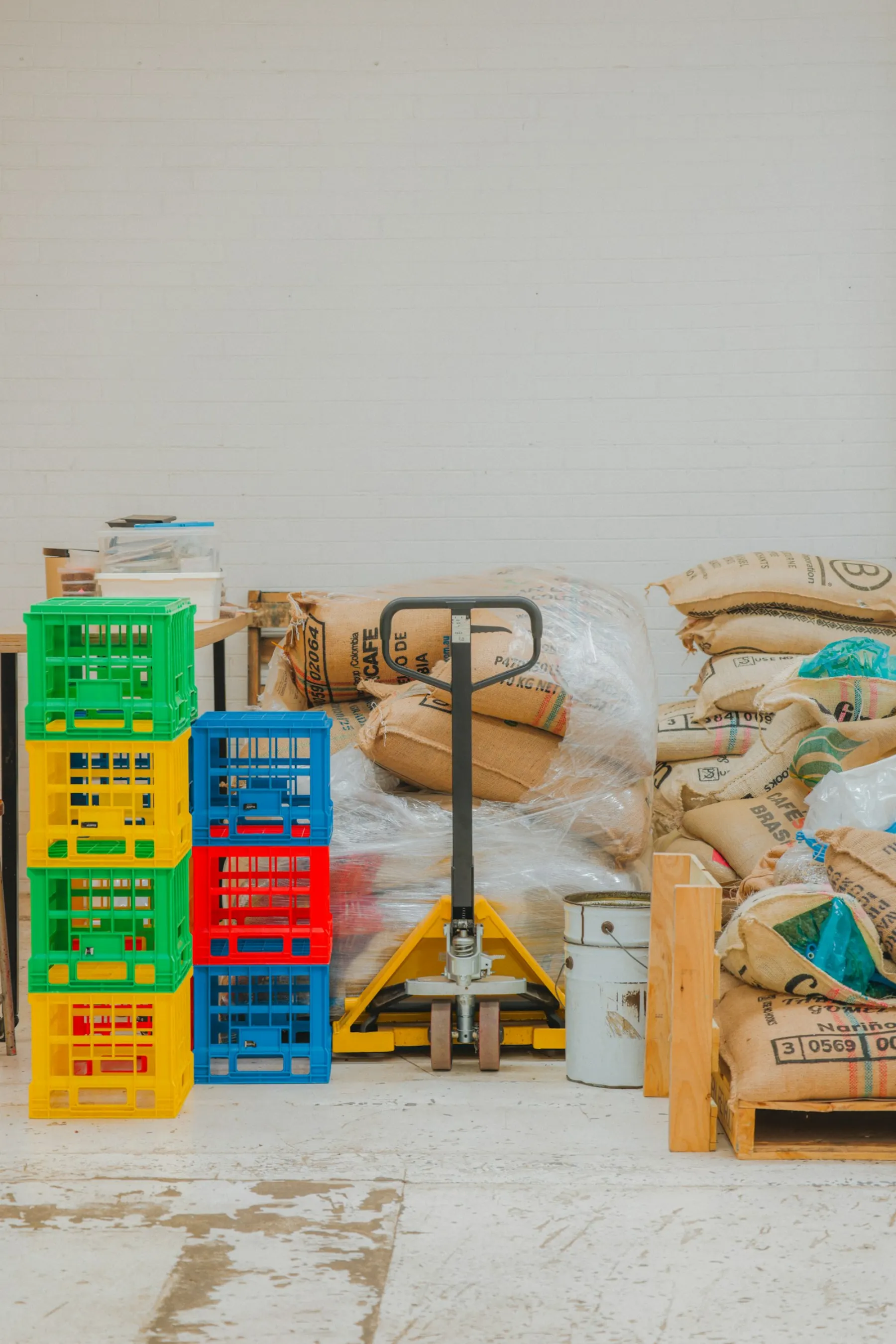
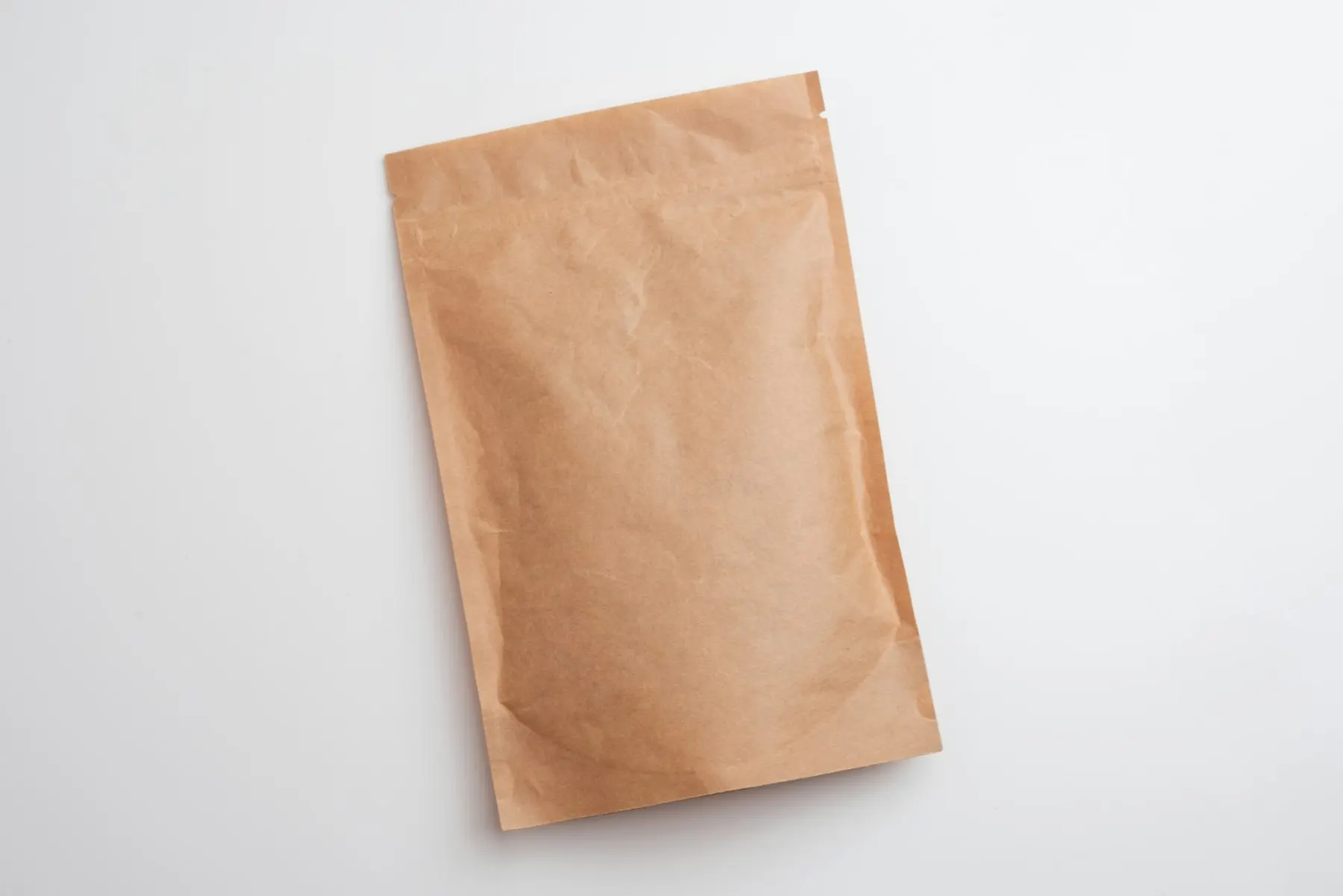
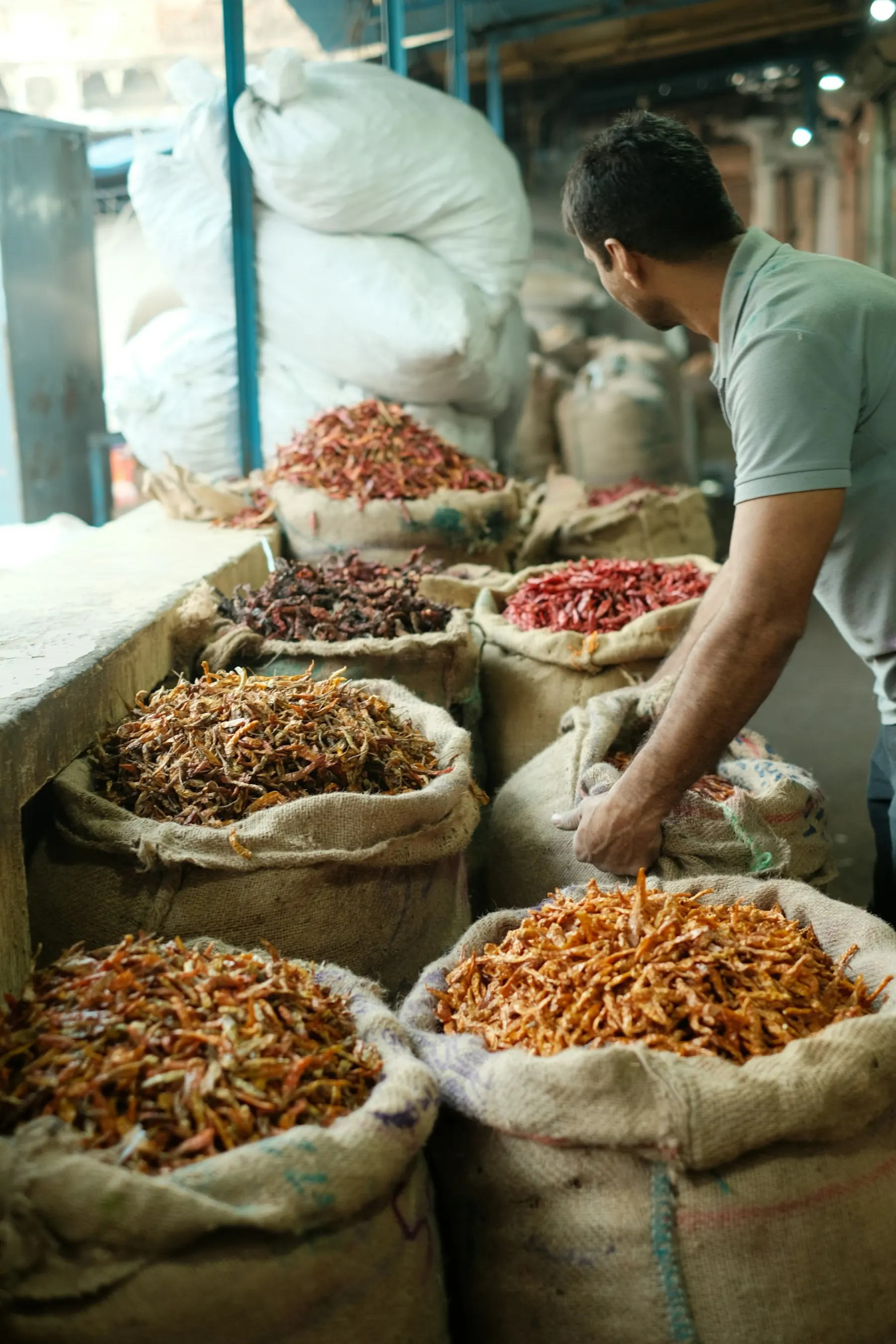
Usually 25 kg or 50 kg PP or paper bags. Hulled sesame for bakeries is often packed in paper bags with inner liners to protect it from moisture and smells.