Sunita Agri ExportsGovt. Recognised Star Export House
Get a Quote
RiceNon-Basmati

Non-Basmati Rice from India: Sona Masoori, Ponni, IR64 and More
7 August 2026 · 6 min read · Sunita Agri Exports Export Team

Non-Basmati Rice from India: Sona Masoori, Ponni, IR64 and More

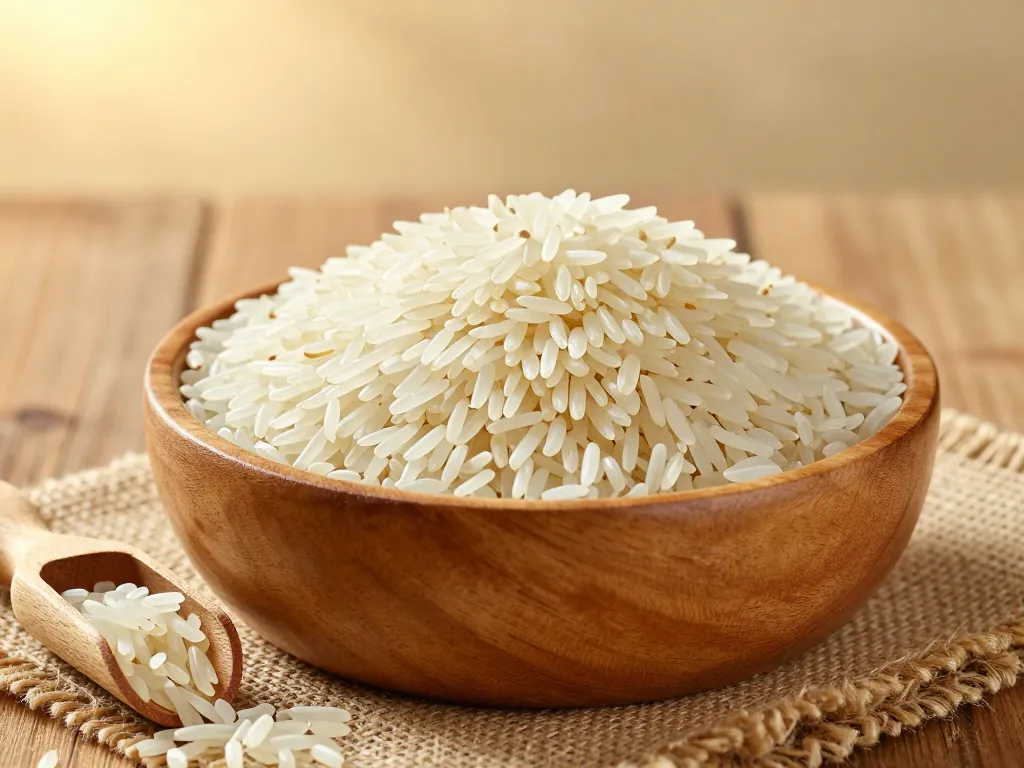
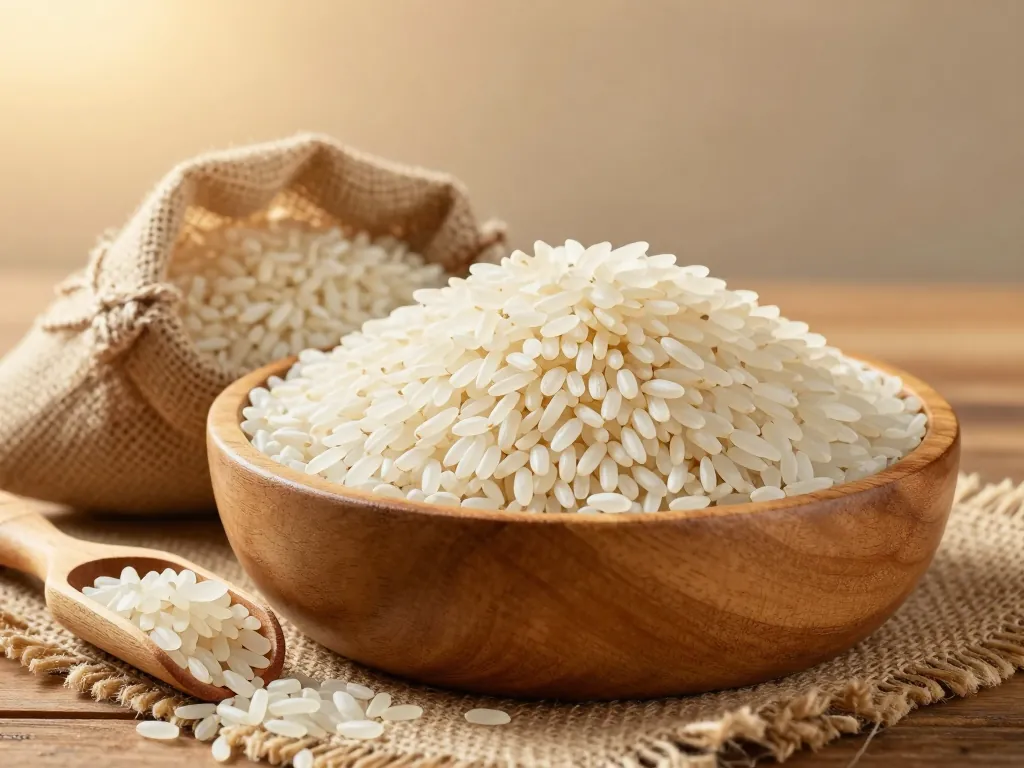
India is the world's largest rice exporter, and most of that volume is non-basmati. Each variety has a loyal market, often linked to a regional cuisine.

Main varieties

  • Sona Masoori: a light, medium-grain rice from Andhra Pradesh, Telangana and Karnataka. The everyday rice of South Indian homes and very popular in the USA, UK and Australia.
  • Ponni: a medium-grain Tamil Nadu rice, sold raw and parboiled, with a strong following in Sri Lanka, Malaysia and Singapore.
  • IR64 and IR36: long-grain varieties traded in volume, raw and parboiled, to Africa, the Middle East and Asia.
  • Swarna: a medium-grain parboiled rice, widely used in West Africa and Bangladesh.
  • Kolam and HMT: small-grain aromatic rice from Maharashtra and Madhya Pradesh.
  • Broken rice: for rice flour, pet food, brewing and feed.

Raw or parboiled

Parboiled rice is soaked and steamed in the husk before milling. It is firmer, more nutritious and holds up well in long cooking. Raw rice is softer and cooks faster.

Specifying non-basmati rice

State the variety, form, broken percentage (for example 5%, 15% or 25%), moisture, Sortex cleaning, crop year, and bag type and size. Retail buyers often want 5 kg, 10 kg or 20 kg bags with their own brand.

Export rules

India's government sometimes changes export rules for non-basmati rice, such as duties or minimum prices. A good exporter will tell you the current position before you confirm an order.

More guides

How to Import Spices from India: A Complete Guide for International Buyers8 min readTop Spices Exported From India: Demand, Quality Grades, and Sourcing Seasonality6 min readCumin Seed Grades Explained: Singapore, Europe and Sortex5 min read1121 vs 1509 vs 1718 Basmati: Which Variety Should You Import?6 min readA Checklist for Your First Mixed Container from India6 min readBuying Indian Turmeric: Curcumin, Lead Testing and Origins6 min readByadgi, Teja, Guntur, Kashmiri: A Guide to Indian Dried Chillies6 min readSteam-Sterilised Spices: What It Is and When You Need It5 min readExport Documents You Should Receive with Food from India6 min readFOB, CFR or CIF? Choosing Price Terms When You Buy from India5 min readStarting a Private-Label Spice Range Sourced from India6 min readDehydrated Onion from India: Flakes, Kibbled, Minced, Granules and Powder5 min readPsyllium Husk Purity Grades: 85% to 99% Explained5 min readCoriander Seed Grades: Eagle, Scooter and Parrot4 min readHulled vs Natural Sesame Seeds: Which One Do You Need?5 min readIndian Pulses for Importers: Chickpeas, Toor, Moong, Urad and Masoor6 min readGreen Cardamom Buying Guide: Sizes, Colour and Grades5 min readBlack Pepper Grades: Bulk Density, Garbled and Ungarbled5 min readStocking an Indian Grocery Store: Importing FMCG Brands from India6 min readPesticide Residues and EU MRLs: What Spice Importers Need to Know6 min readThe Indian Spice Harvest Calendar: When to Buy What5 min readImporting Jaggery from India: Blocks, Cubes, Powder and Liquid5 min readIndian Coffee for Roasters: Arabica, Robusta and Monsooned Malabar5 min readSourcing Ayurvedic Herbs from India: Identity, Purity and Paperwork6 min readHow Much Fits in a 20 ft or 40 ft Container? A Guide for Food Buyers5 min readHow to Evaluate a Spice Sample Before You Order5 min readDesiccated Coconut Grades: Fine, Medium and High Fat4 min read